23 Peaceful Zen Meditation Room Setups That Help You Focus

Creating a meditation space can be simple. It is about carving out a small area for quiet. You do not need a lot of room or expensive items. The goal is a place that feels separate from daily noise. These ideas can help you build a personal spot for focus and calm.
1. The Minimalist Zen Corner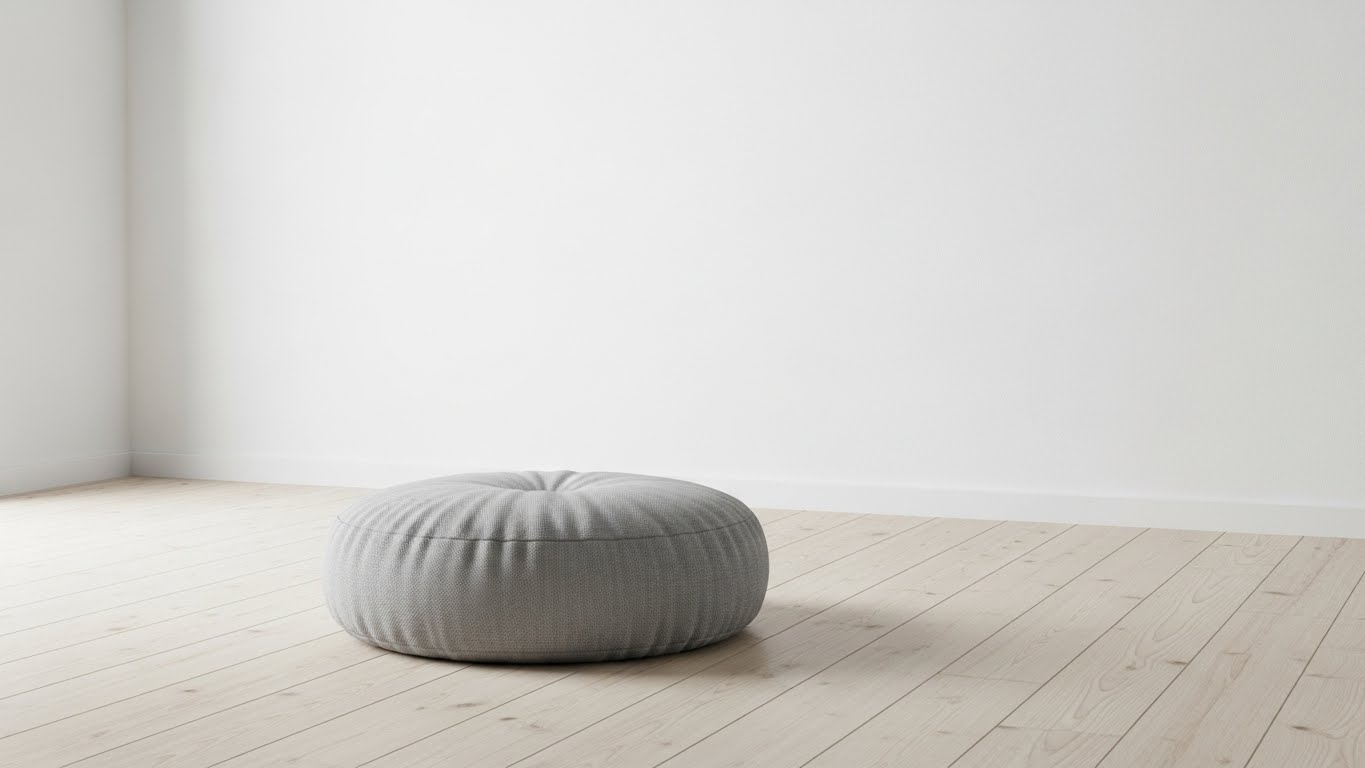
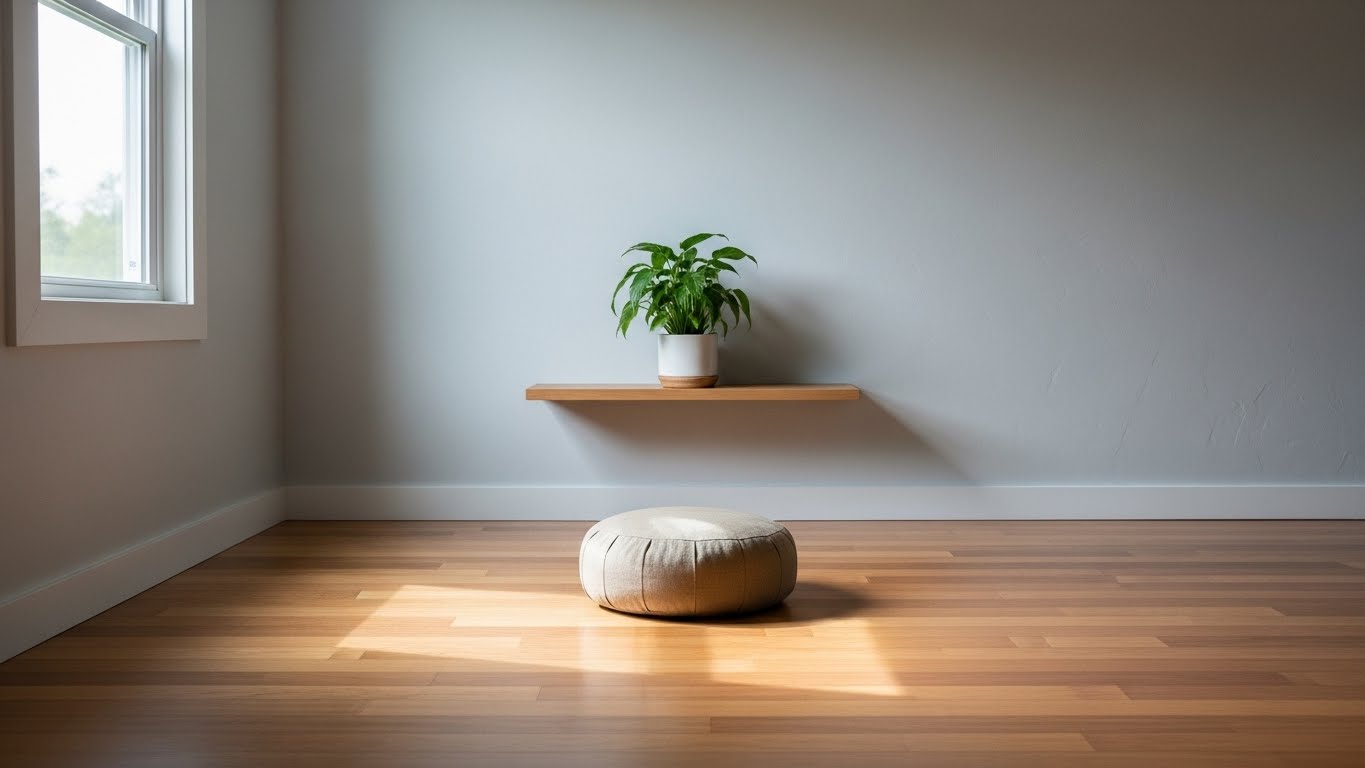
A minimalist corner removes visual noise. Start with just one cushion. Keep the floor clear and the walls bare. This simplicity helps your mind settle. Choose a neutral color for your cushion. A plain mat defines the space. For a budget-friendly start, use a folded blanket instead of a special cushion. The less there is, the easier it is to focus on your breath.
2. The Natural Element Sanctuary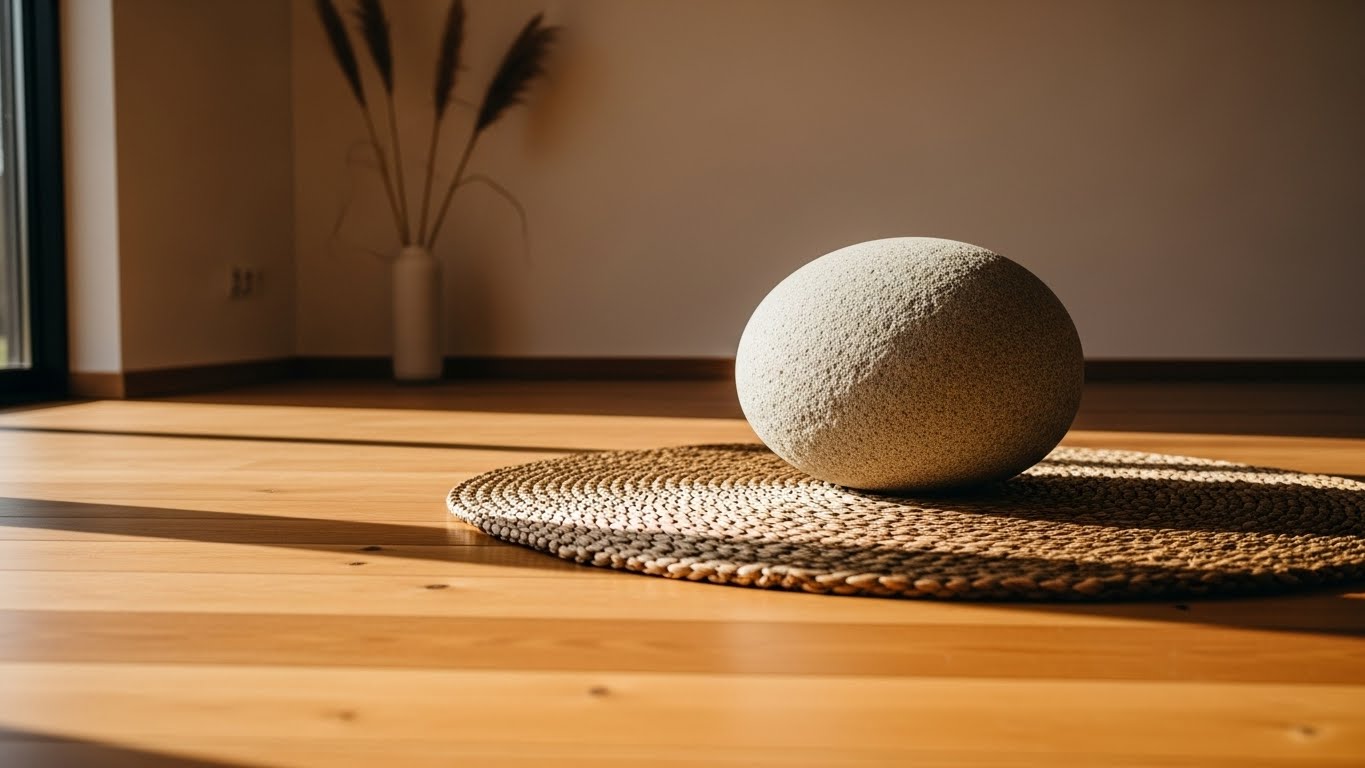
Bringing nature inside creates a peaceful feeling. Use wood, stone, or plants. A small pebble can be a touchstone. A wooden bowl holds warmth. Place a potted fern in the corner. Natural textures soothe the senses. You can find smooth stones or interesting driftwood on a walk. These items cost nothing and connect your space to the outdoors.
3. The Soft Glow Lighting Setup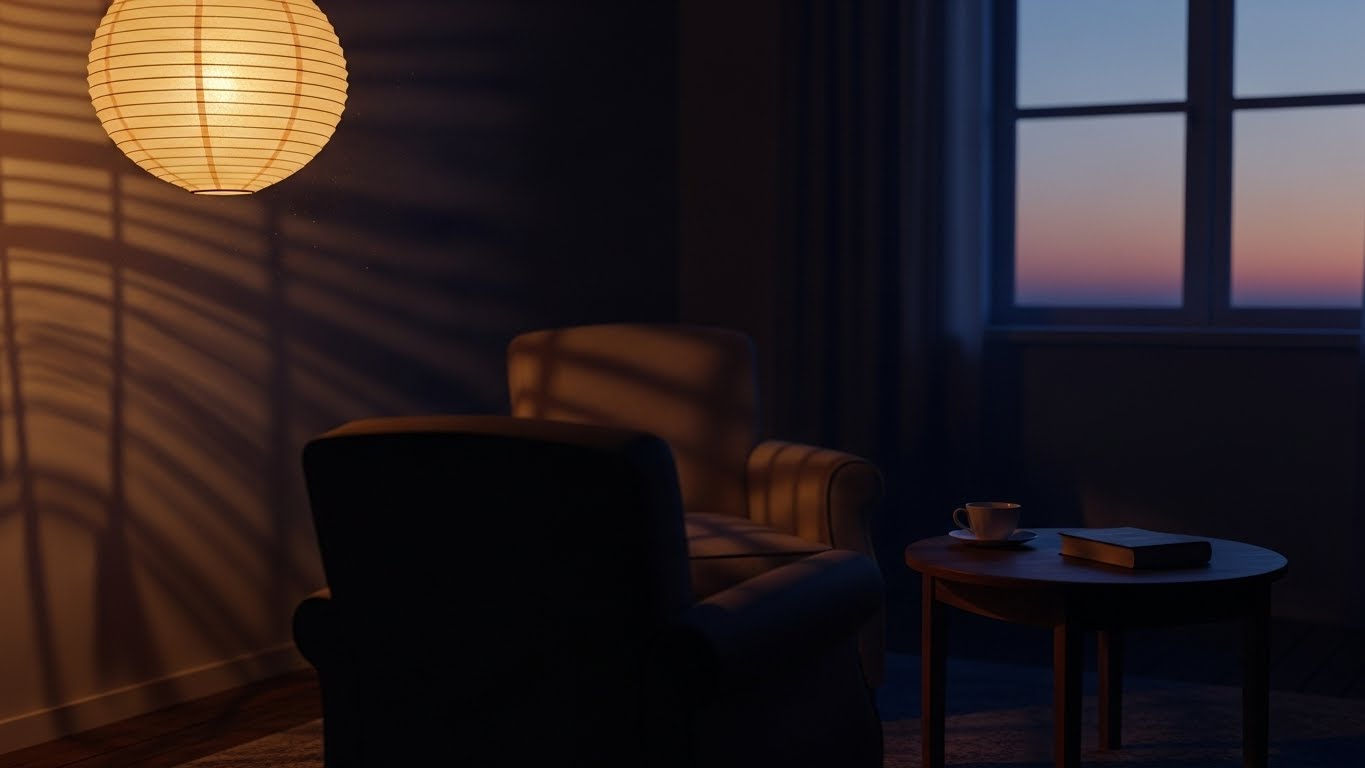
Harsh light can be distracting. Use soft, indirect light instead. A salt lamp or a simple paper lantern works well. Dimmable lamps give you control. The light should be warm, not blue or white. Soft light signals rest to your brain. For a DIY option, place a string of warm white fairy lights inside a glass jar. This creates a gentle, sparkling effect.
4. Your Go-To Floor Seating Guide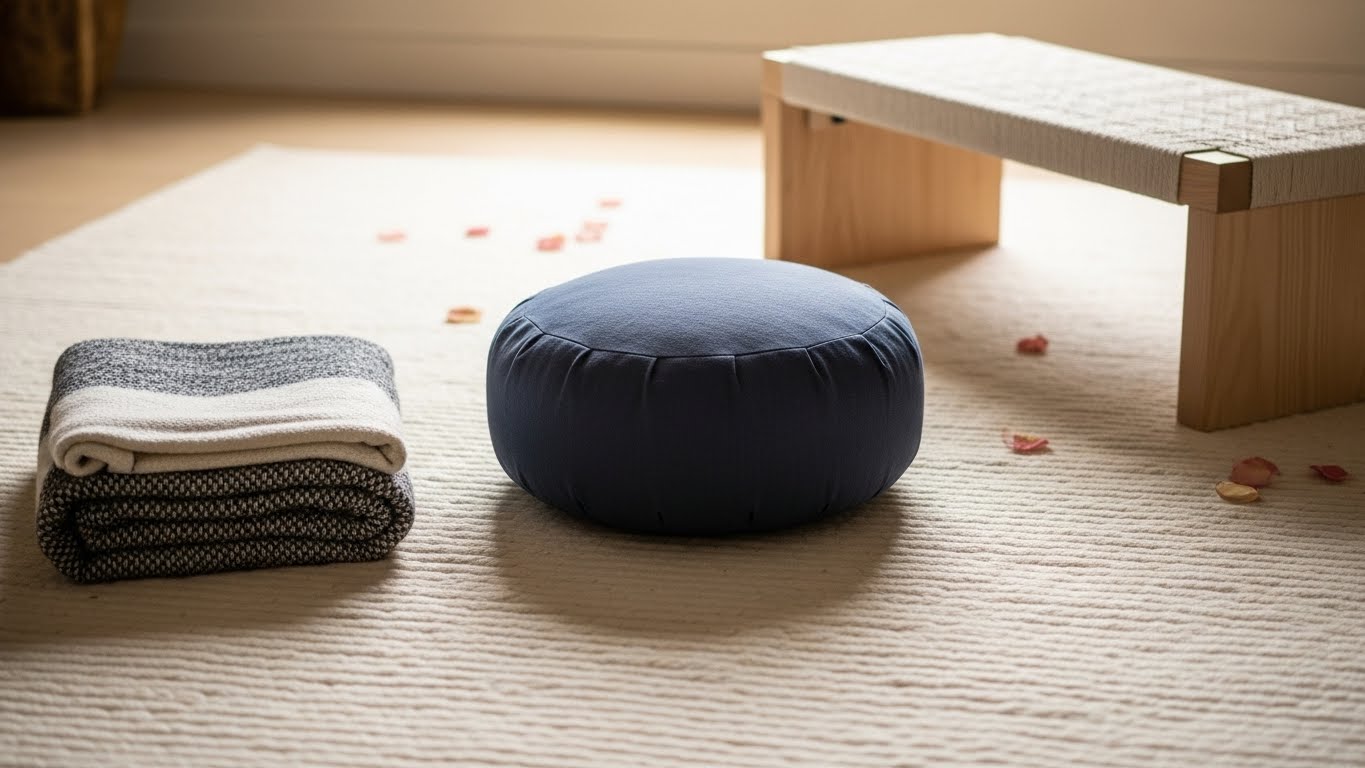
Sitting comfortably is key. A zafu cushion lifts your hips for better posture. A meditation bench can help if you have knee pain. A thick yoga mat provides cushioning. Support your body to support your mind. You do not need to buy special gear. Stack two firm pillows and tie them together with a belt. This makes a stable, elevated seat.
5. The Serene Color Palette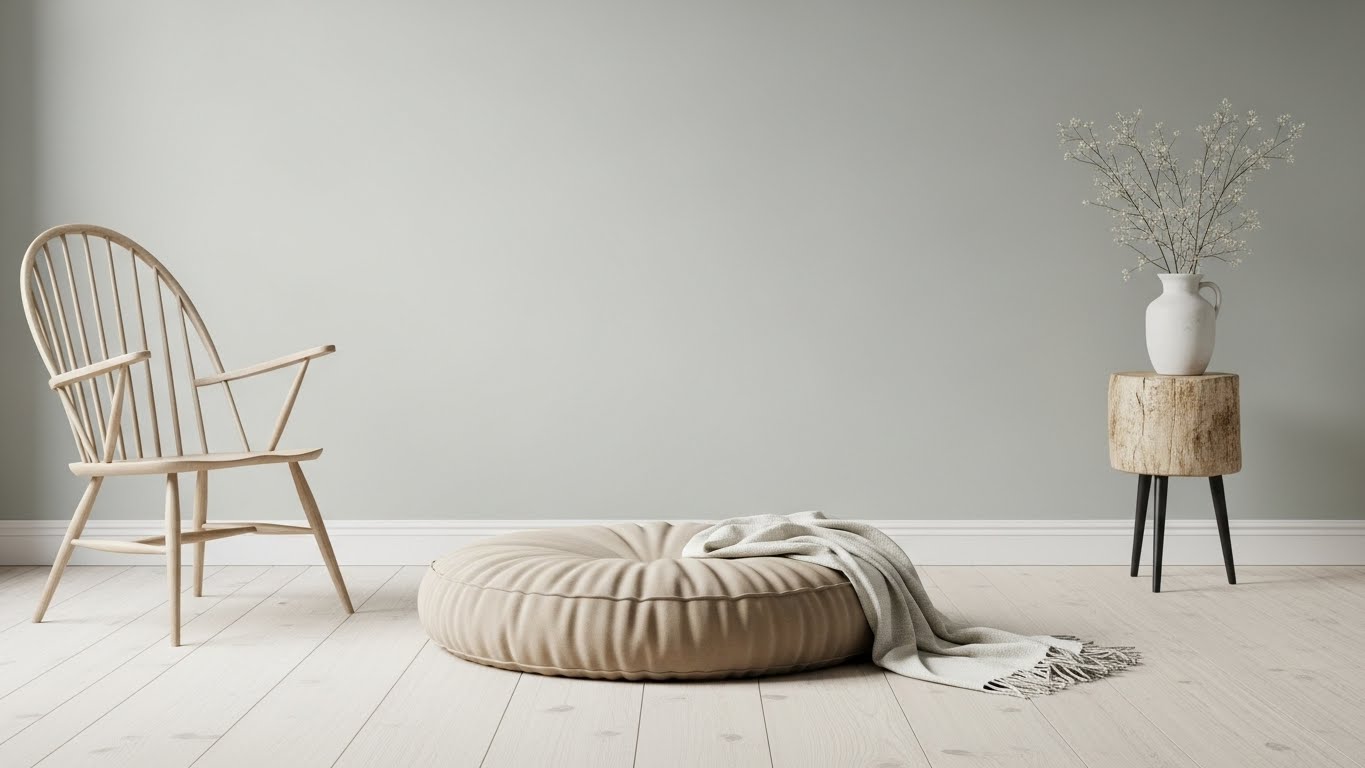
Colors affect your mood. Choose soft, muted shades. Think off-white, pale grey, sage green, or soft blue. Avoid bright or bold colors. These gentle hues help quiet mental chatter. A calm palette fosters a calm mind. A simple way to test a color is to pin a large piece of fabric on the wall. See how the color feels in different light before you commit to paint.
6. Aromatherapy for Your Meditation Space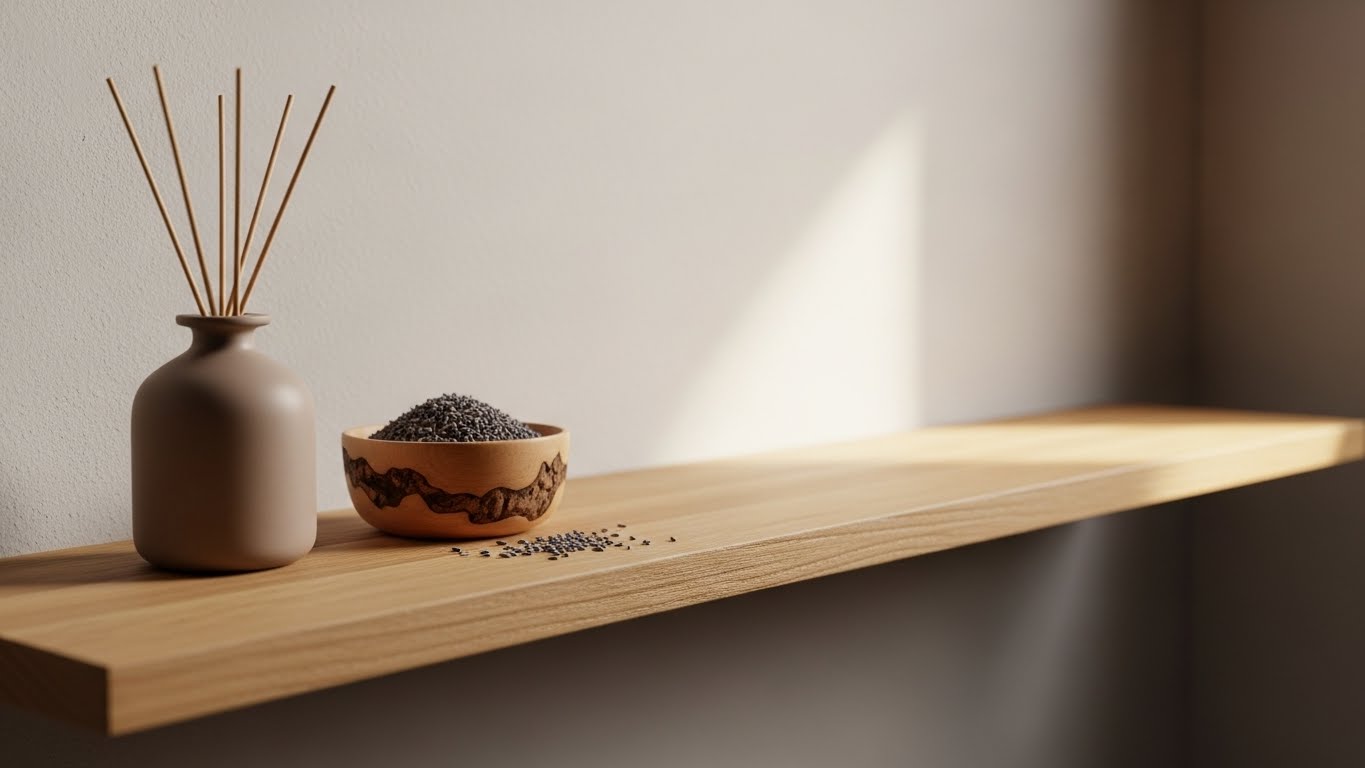
Scent can anchor you in the present. Use essential oils like lavender or sandalwood. A simple reed diffuser releases a steady, subtle fragrance. Dried herbs in a small bowl also work. A gentle scent can be a focus point. For a budget tip, simmer orange peels and a cinnamon stick in a pot of water. This fills your home with a warm, natural aroma.
7. The Textural Harmony Approach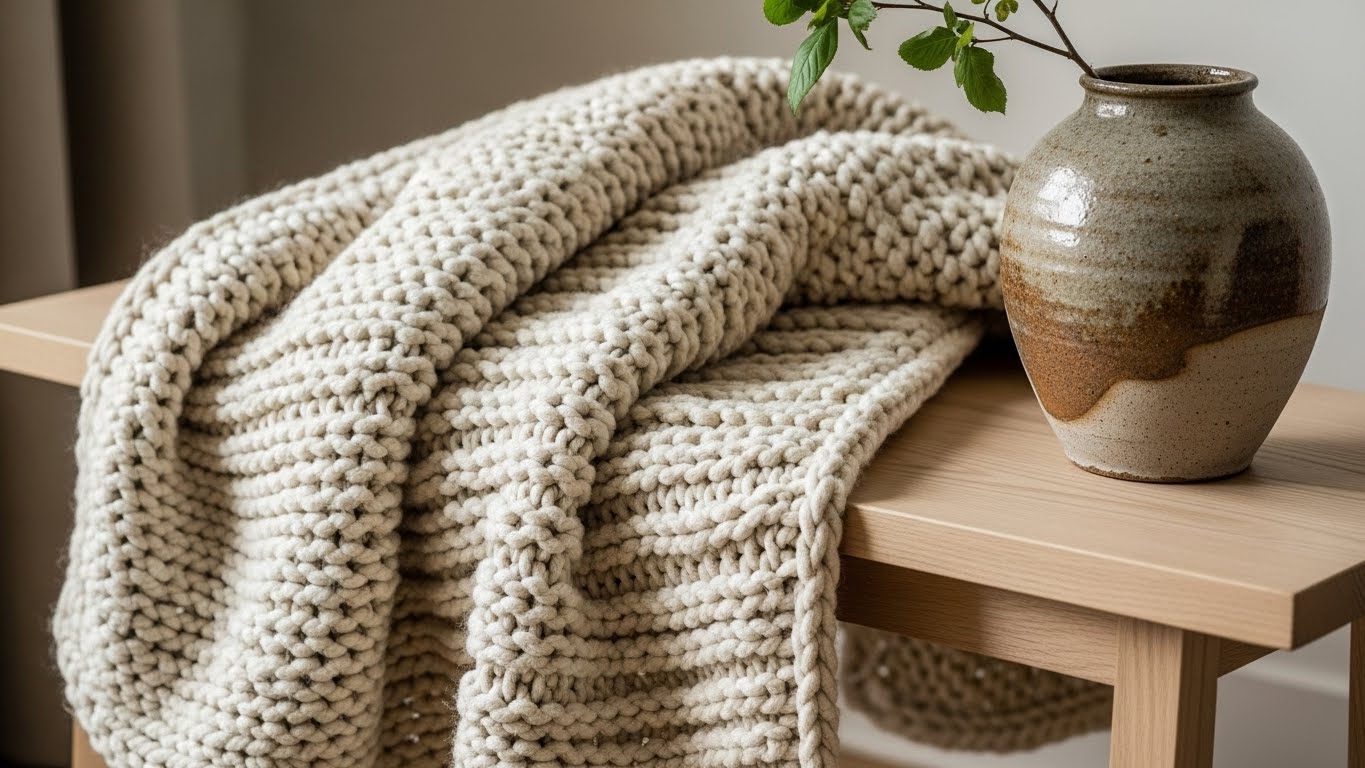
Mixing textures adds depth to your space. Combine a soft wool rug with a smooth wooden stool. Add a rough linen cloth or a smooth stone. These contrasts are pleasing to touch and sight. Texture engages your sense of touch. Look for fabric samples or small swatches at a craft store. You can arrange them to see what feels best together.
8. The Focal Point Altar Setup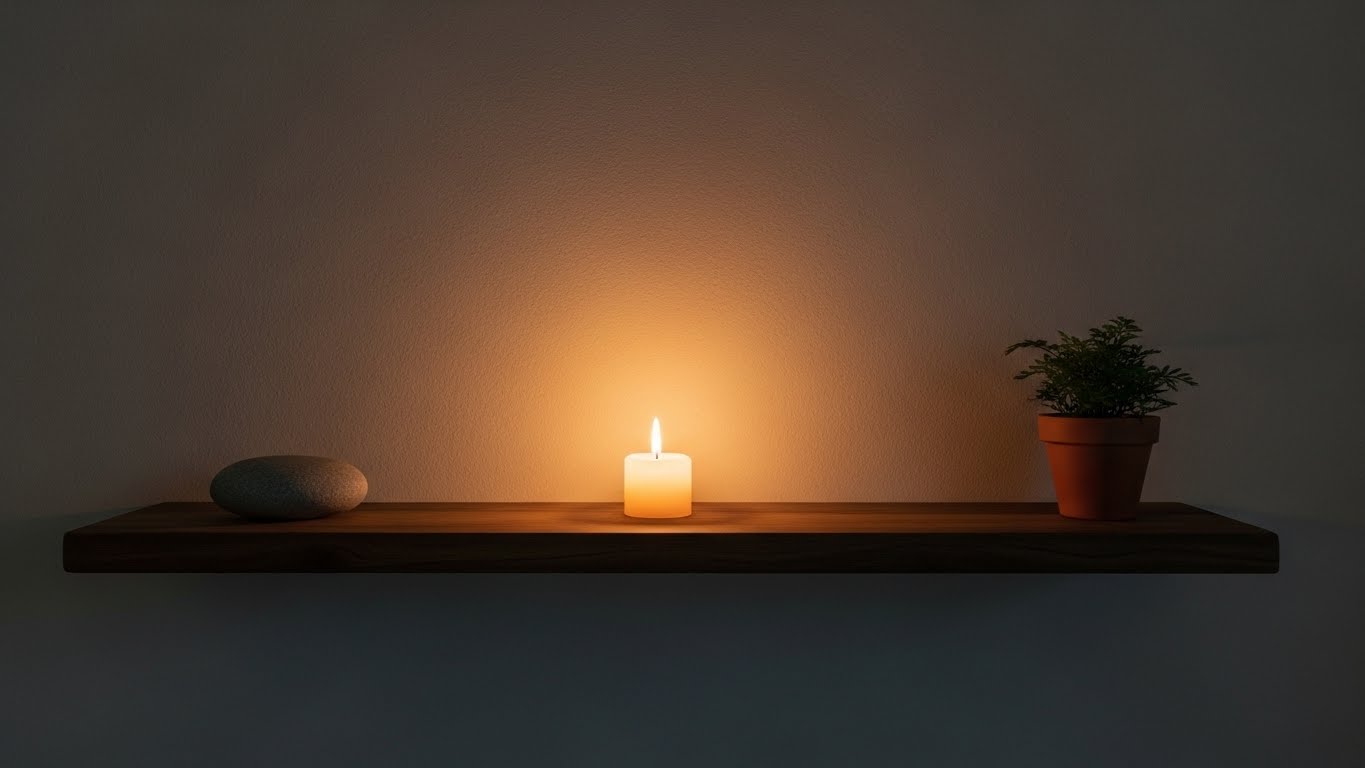
A focal point gives your eyes a place to rest. A small shelf or a low table can serve as an altar. Place one or two meaningful items on it. A candle, a flower, or a special rock. Keep it simple and personal. You can use a stack of books as a temporary stand. Cover them with a neutral-colored cloth to create a clean surface.
9. Decluttering for a Clear Mind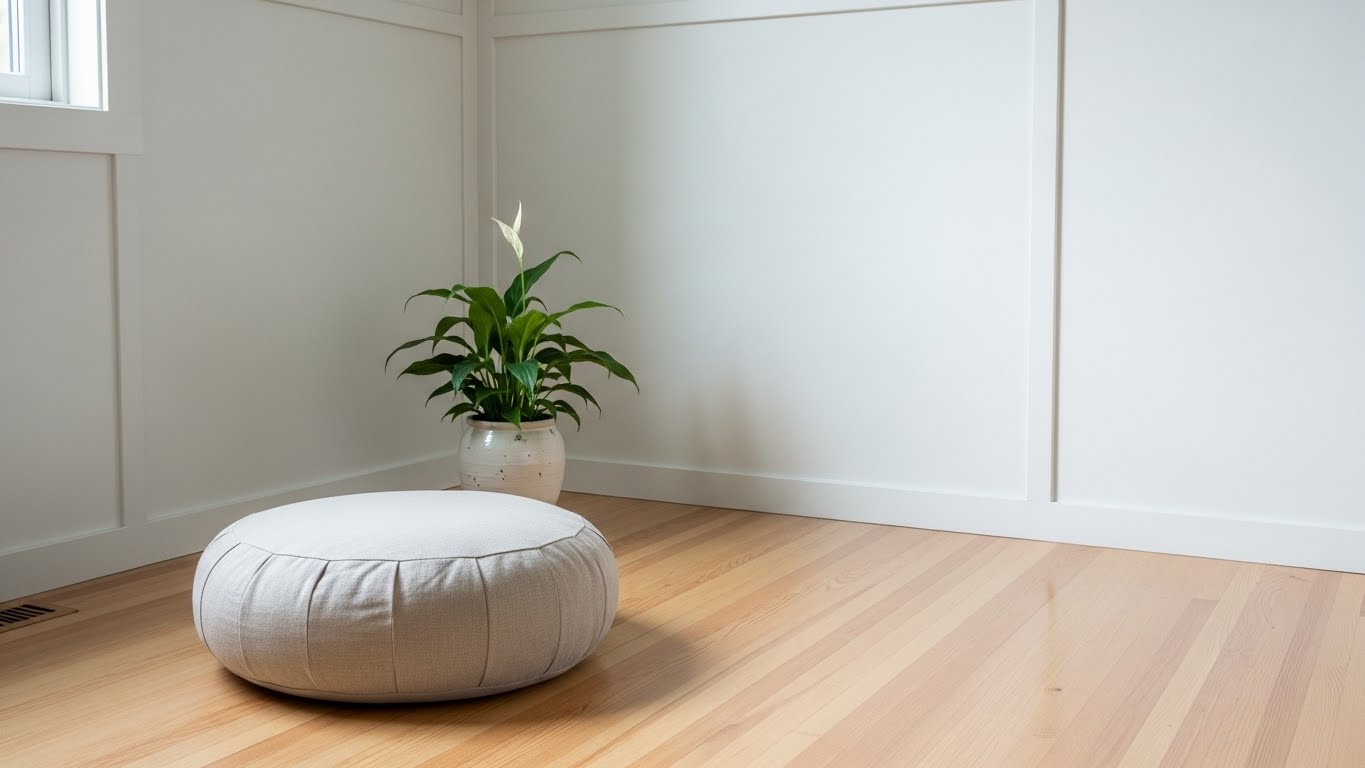
A cluttered space leads to a cluttered mind. Before you sit, take a minute to tidy the area. Put away any items that do not belong. A clean floor and clear surfaces help you breathe easier. A tidy space supports a clear mind. Use a decorative basket to corral small items like extra blankets or books. This keeps them out of sight but within reach.
10. The Tranquil Soundscape Room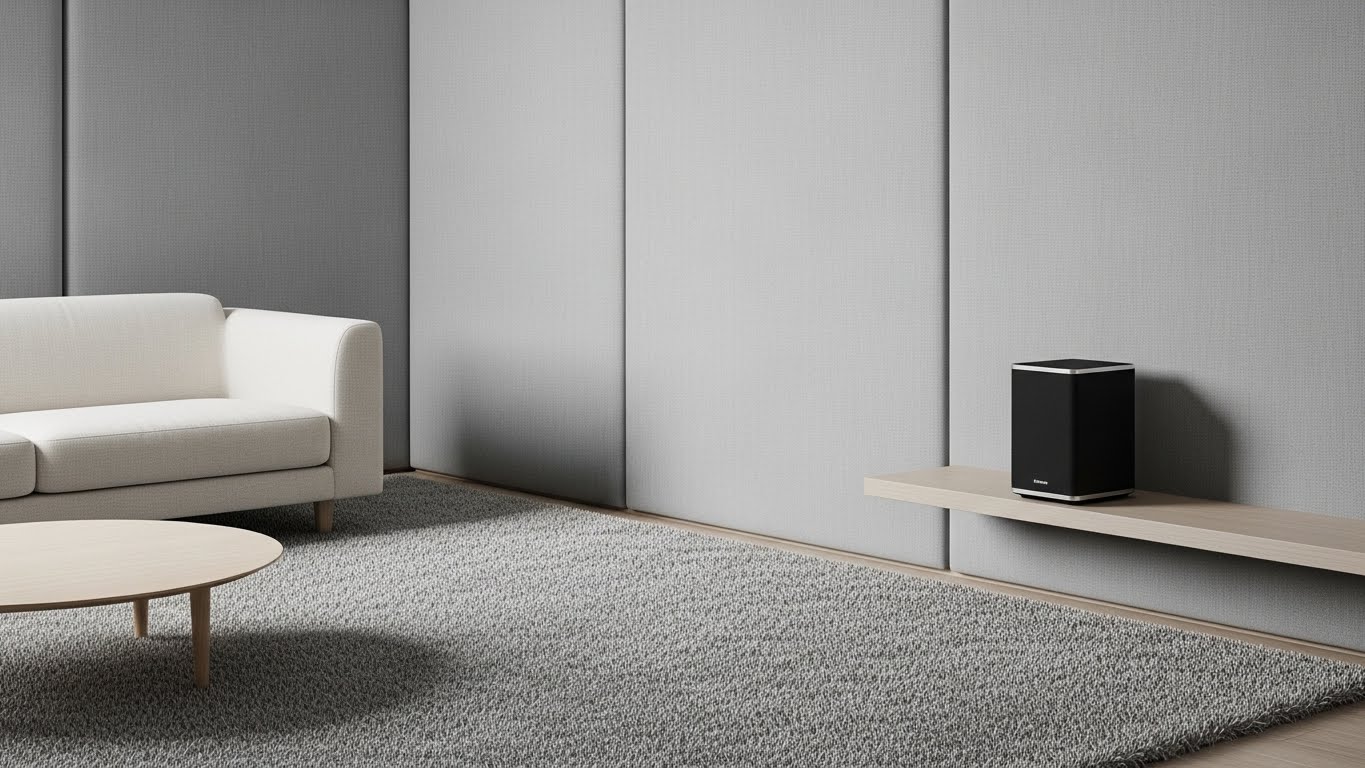
Sound can make or break your focus. Mask outside noise with calming sounds. A small fountain, a white noise machine, or a quiet playlist can help. Nature sounds like rain or gentle waves are effective. Soothing sounds build an audio sanctuary. Your phone can be a sound machine. Find a free app or a YouTube channel that plays continuous, gentle rain sounds.
11. Incorporating Flowing Water Elements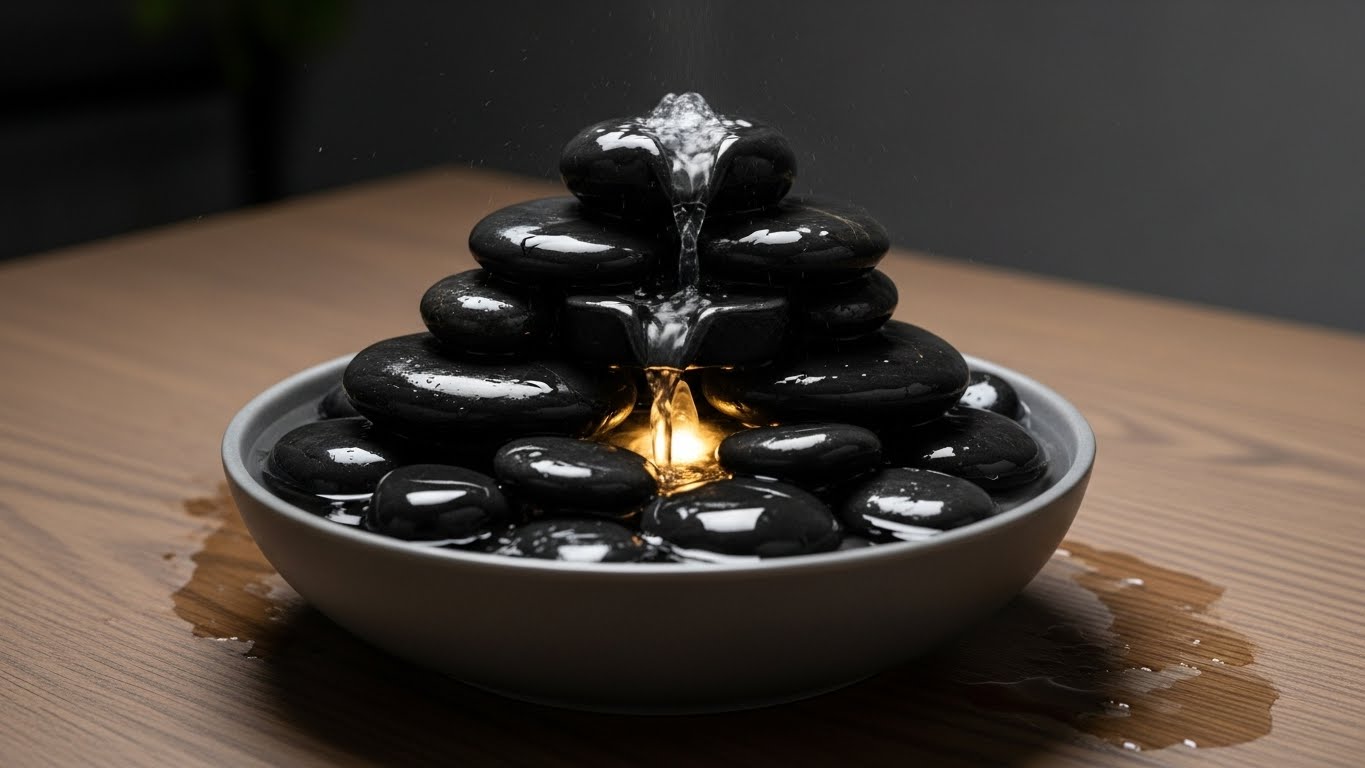
The sound of moving water is naturally calming. A small indoor fountain adds this element. The gentle trickle masks distracting noises. It also adds a sense of movement to a still room. Flowing water symbolizes constant change. You can make a simple fountain with a small water pump, a bowl, and some pebbles. Many online tutorials show how to build one for very little cost.
12. The Japanese-Inspired Zen Room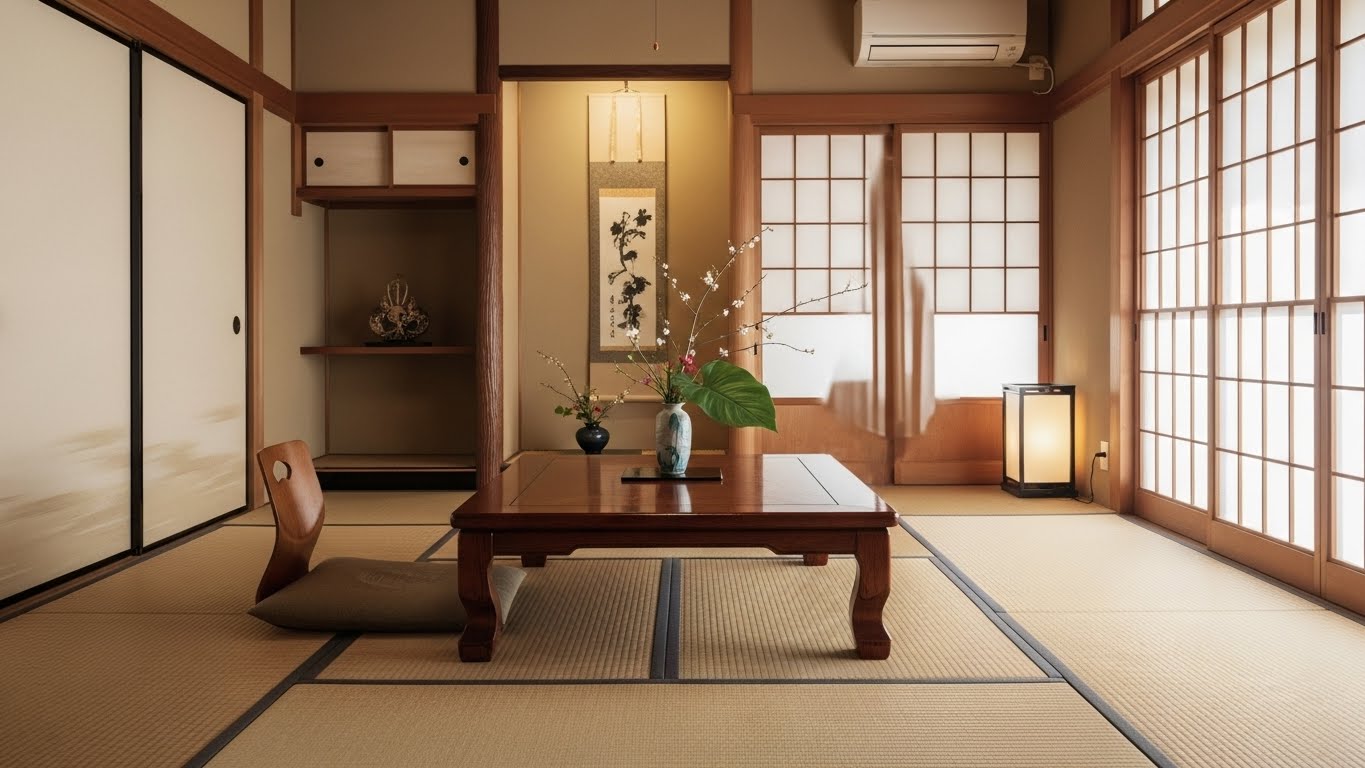
This style values simplicity and natural beauty. Use clean lines and low furniture. A tatami mat defines the floor space. A scroll with calligraphy or a simple ikebana flower arrangement adds focus. Embrace the beauty of empty space. Instead of a tatami mat, use a rush or seagrass rug. It gives a similar natural texture and look for less.
13. A Cozy Nook Meditation Setup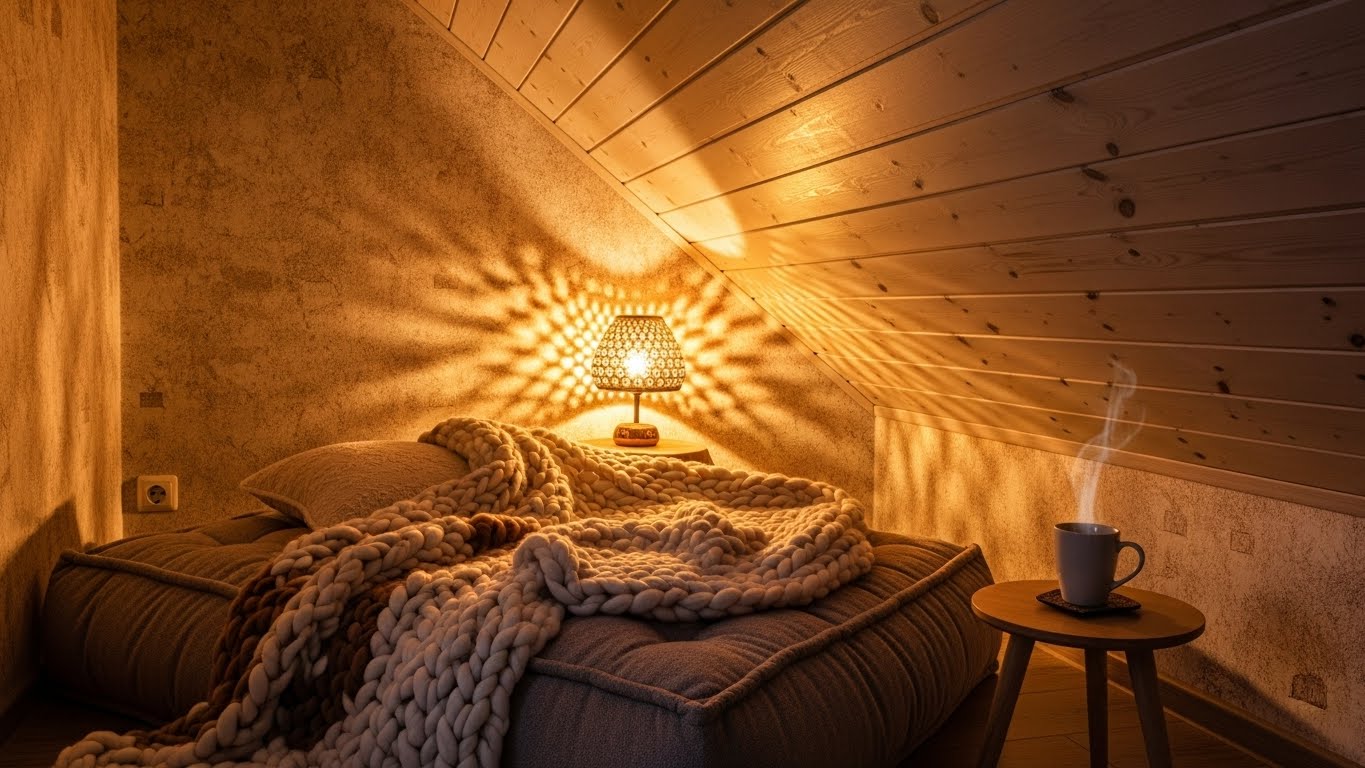
A nook uses an unused space. It could be under stairs, in a closet, or just a corner. The enclosed feeling can be very comforting. Add a soft rug and pillows to make it inviting. A small space can feel like a sanctuary. Hang a curtain rod and a long curtain to separate your nook from the room. This creates an instant, private retreat.
14. The Symmetrical Balance Method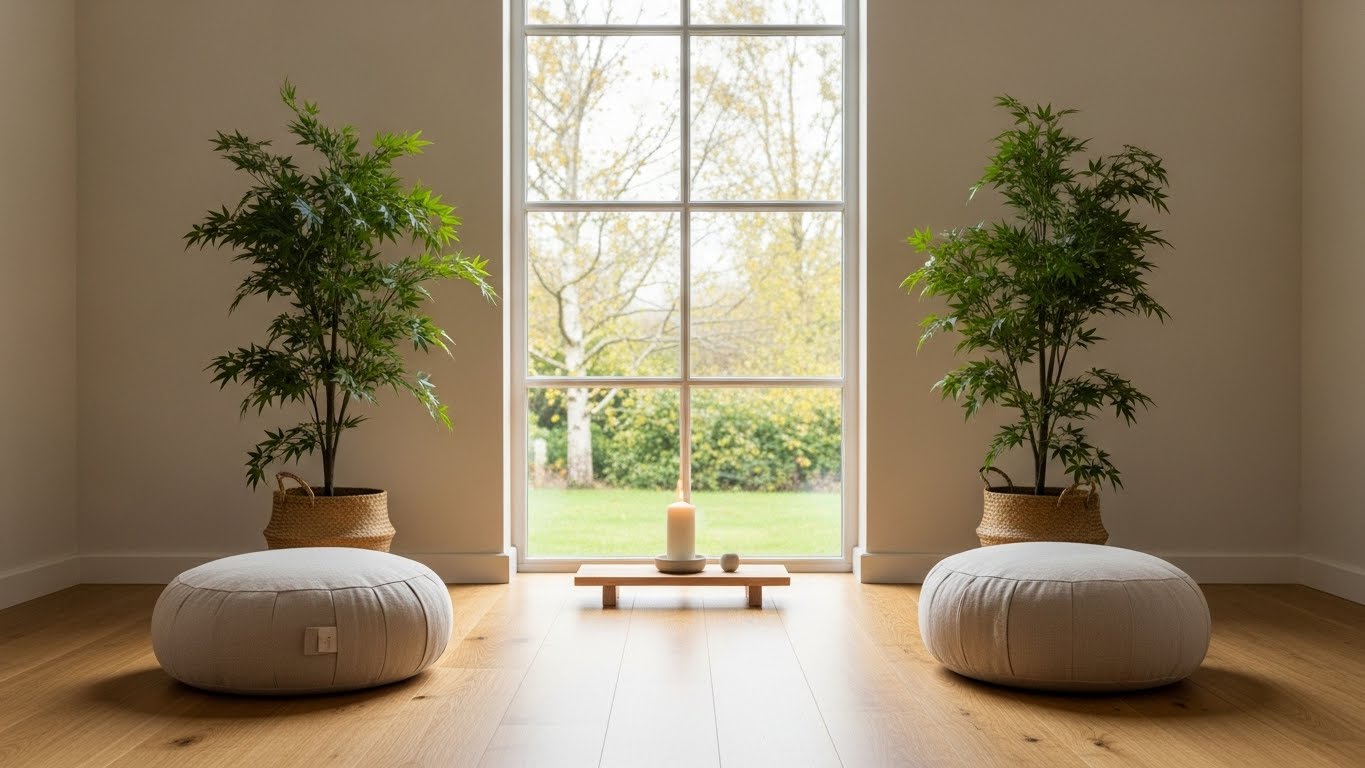
Symmetry feels orderly and calm. Place two matching cushions side by side. Use pairs of objects, like two identical candles. This balance is pleasing to the eye and mind. It creates a sense of stability. Symmetry brings visual peace. You do not need to buy new items. Find two rocks of similar size or two vases from around your home to create a balanced look.
15. The Indoor Garden Zen Space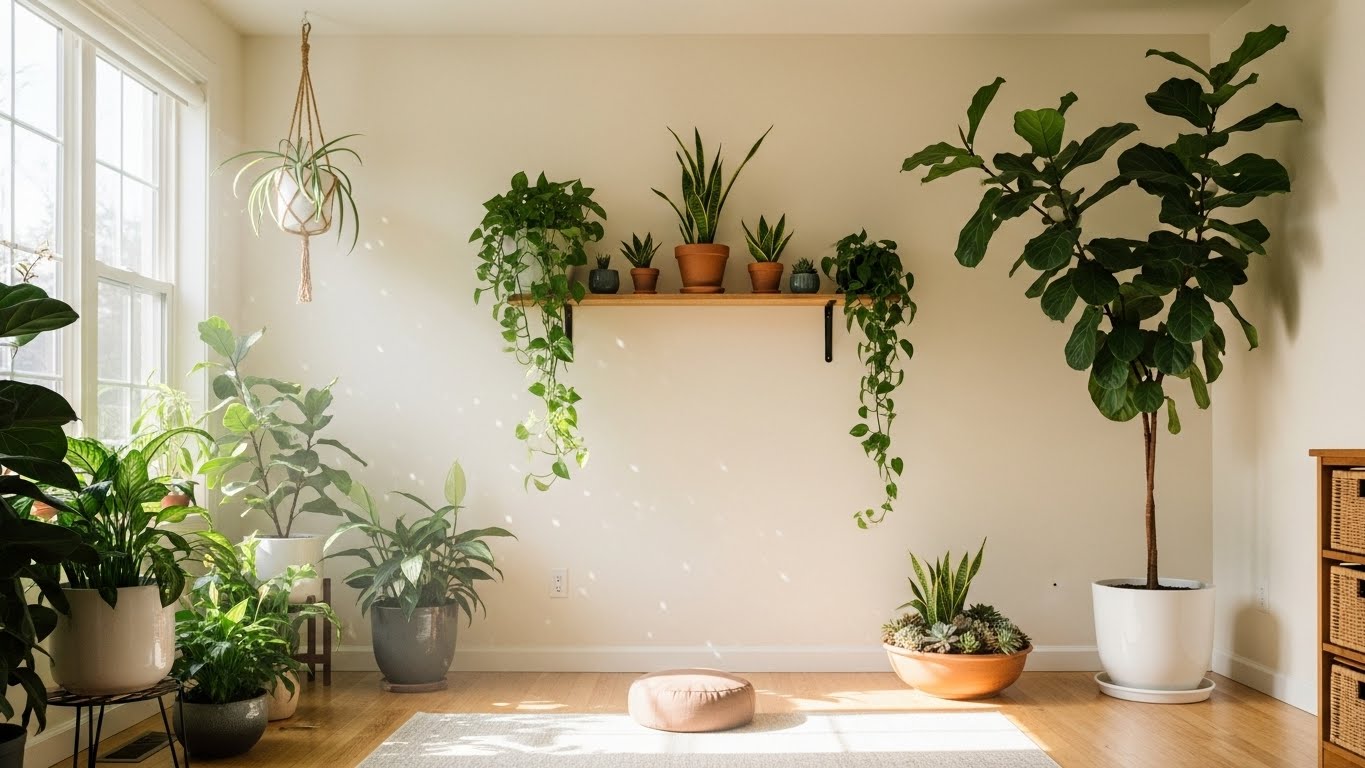
Plants clean the air and bring life to a room. Choose plants with rounded leaves for a softer look. A snake plant or a peace lily are easy to care for. Their green color is restful. Plants are living, breathing decor. Start with one easy plant. Propagate it by taking cuttings and growing new plants in water. Soon you will have several for free.
16. DIY Shoji Screen Room Divider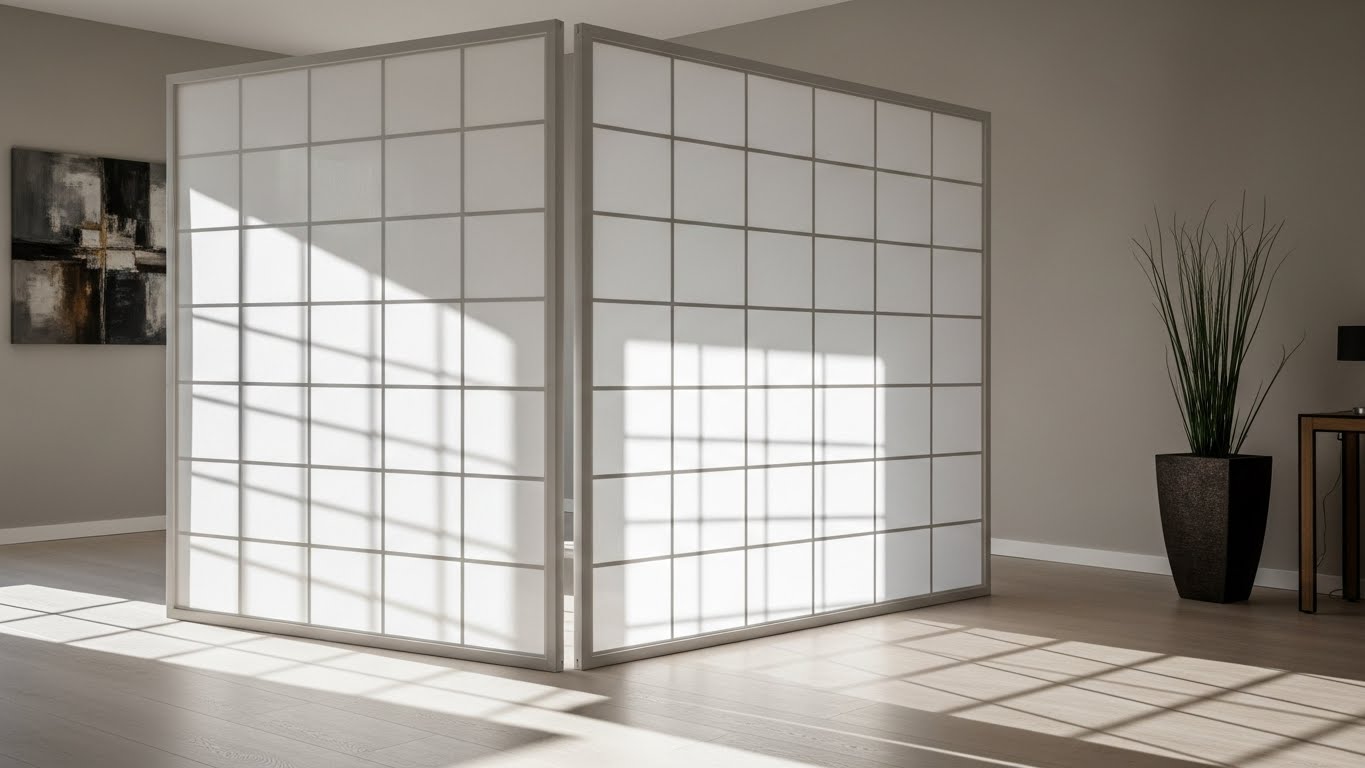
A room divider creates instant privacy. A shoji screen uses a wooden frame with paper panels. It diffuses light beautifully. This visually separates your meditation area from the rest of the room. A screen marks a sacred boundary. Build a simple frame from PVC pipes and drape it with a white sheet. This is a lightweight, movable divider you can make in an afternoon.
17. The Perfect Cushion & Mat Setup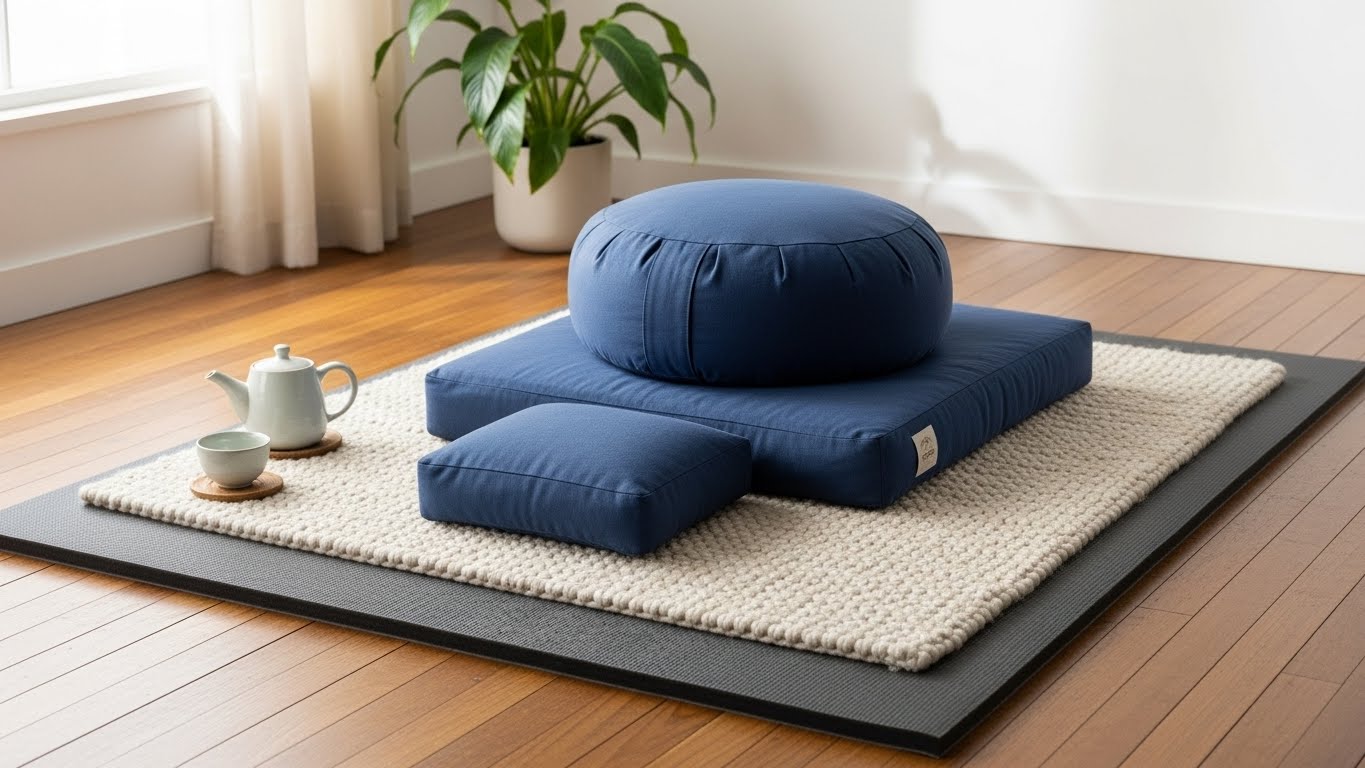
Comfort is essential for longer sessions. Layer your seating for support. Start with a firm exercise mat for the floor. Add a soft rug for warmth. Top it with your meditation cushion. Layering creates custom comfort. Use a folded yoga mat as your base. It is firm, provides grip, and is something you may already own.
18. A Personal Retreat Corner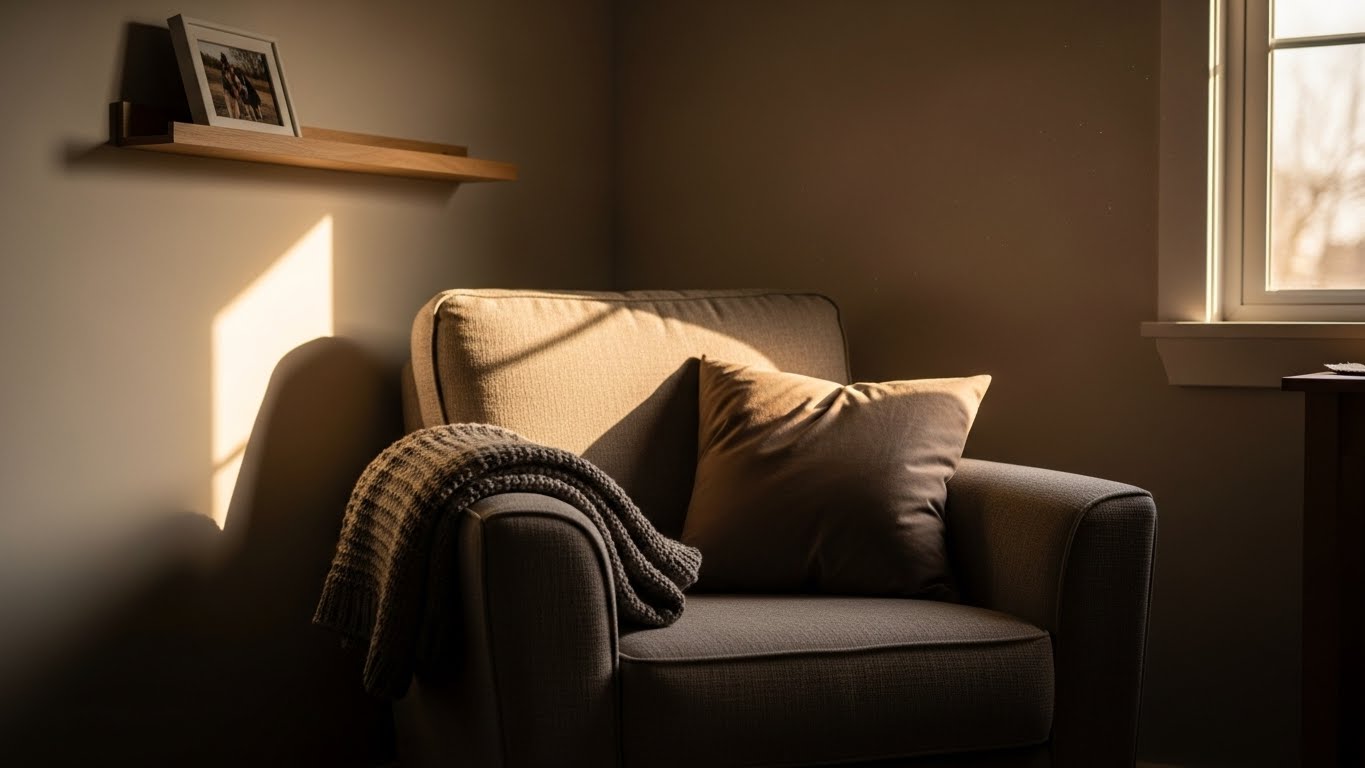
This space should feel like it is yours. Include one or two items that have personal meaning. A photo, a gift from a friend, or a favorite book. These objects make the space feel safe and welcoming. Your space should feel like a welcome. Place a small item in your space that makes you smile. It could be a smooth stone from a favorite walk or a postcard.
19. The Mindful Art & Wall Decor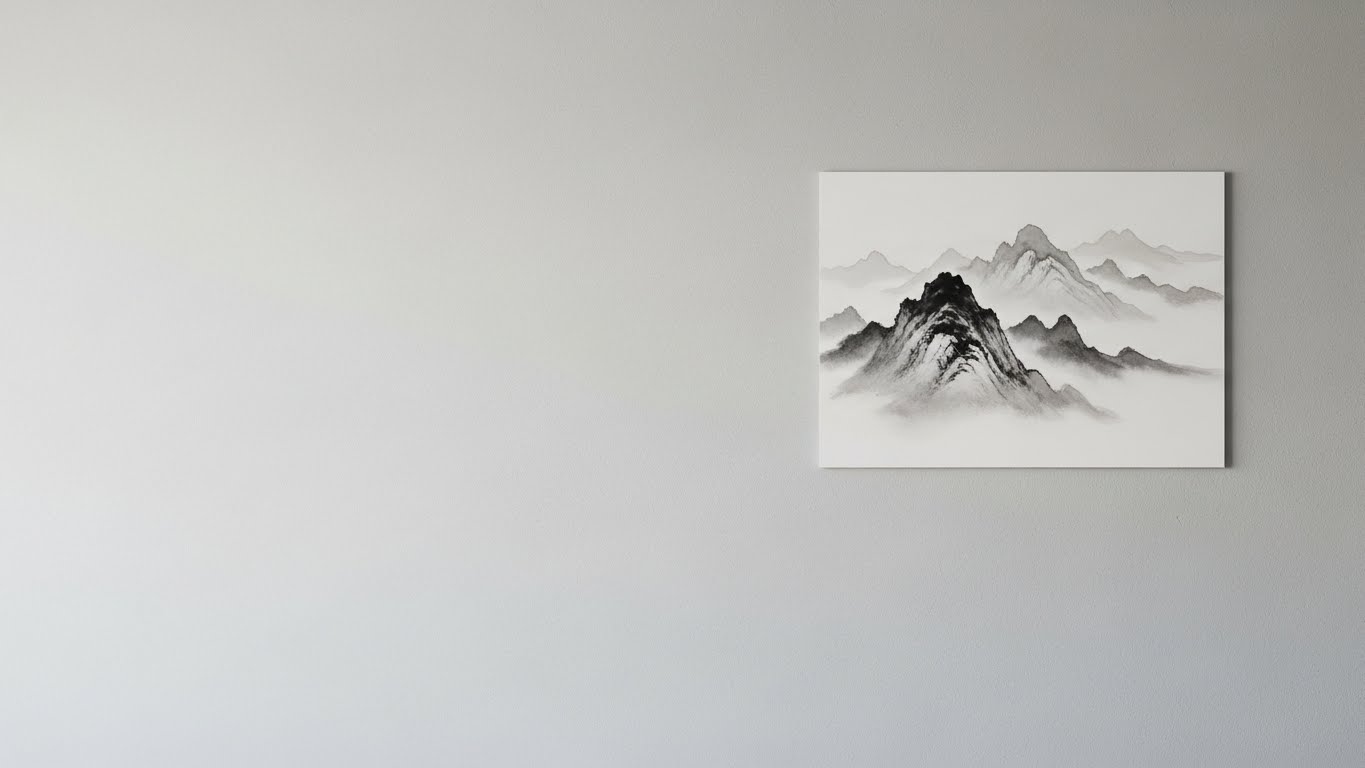
Choose art that inspires quiet thought. A simple landscape, an abstract piece, or a single word. Avoid busy or aggressive images. The art should give your eyes a gentle place to land. Let your wall art breathe. Instead of buying expensive art, frame a beautiful page from a calendar or a postcard from a museum. This is a cheap way to get high quality imagery.
20. The Digital Detox Zone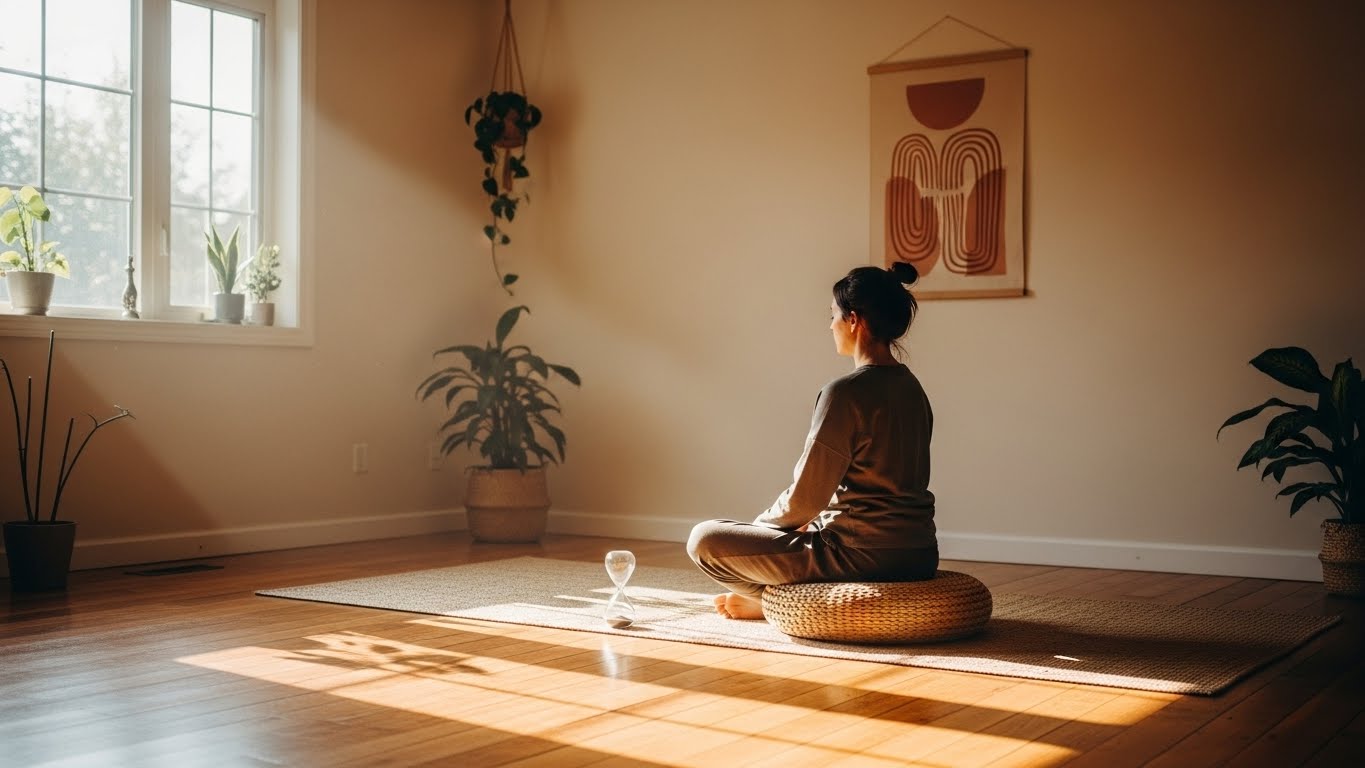
Make this a screen free area. Leave your phone in another room. If you use a timer for meditation, get a simple kitchen timer. This helps your brain associate this space with unplugging and rest. A tech free space is a mental refuge. Put your phone in a drawer in another room before you sit down. This small act strengthens your commitment to disconnecting.
21. The Soft, Diffused Light Technique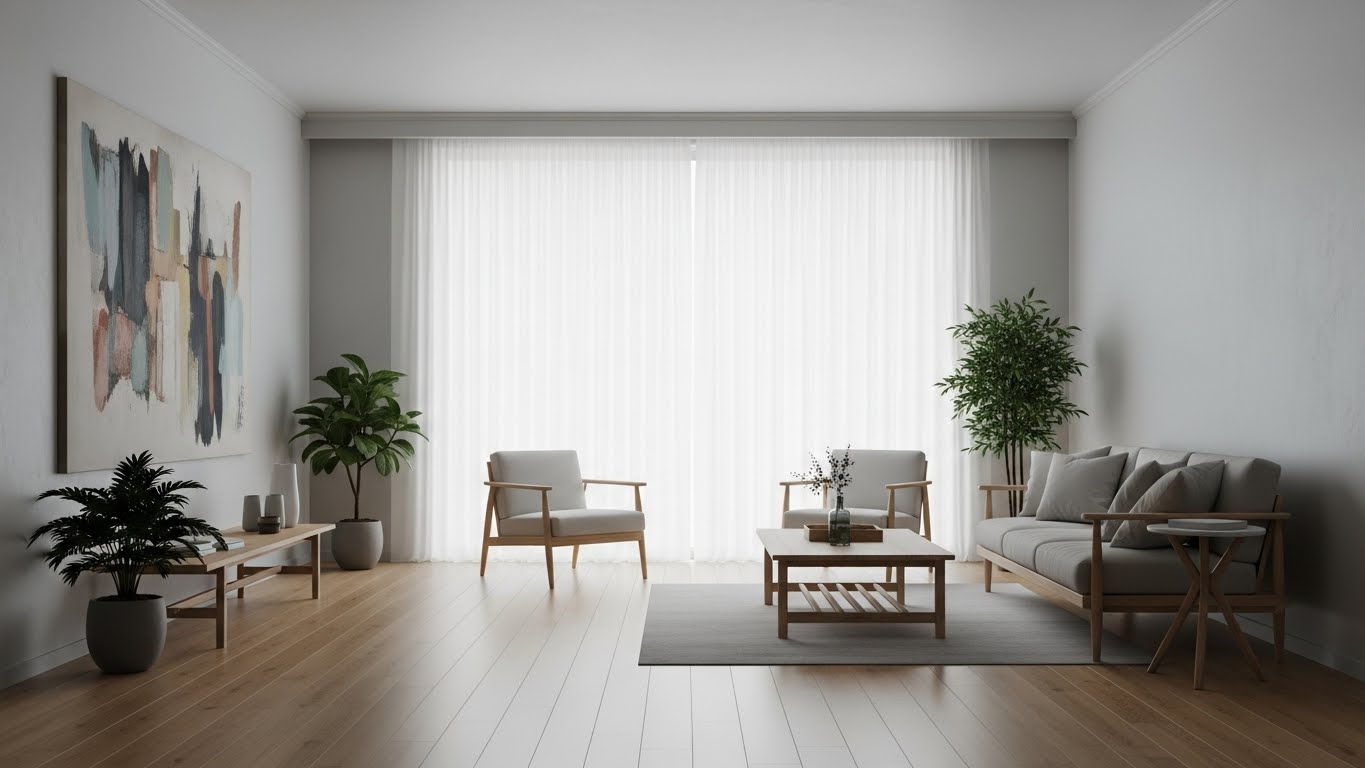
Direct light can feel harsh. Diffuse it to soften the room. Hang a sheer white curtain over a window. Place a lamp so it points at a wall or the ceiling. The light will bounce, becoming gentle and widespread. Diffused light is forgiving and soft. Tape a piece of parchment paper over a bright LED light. This will instantly soften its glare.
22. The Five Senses Meditation Room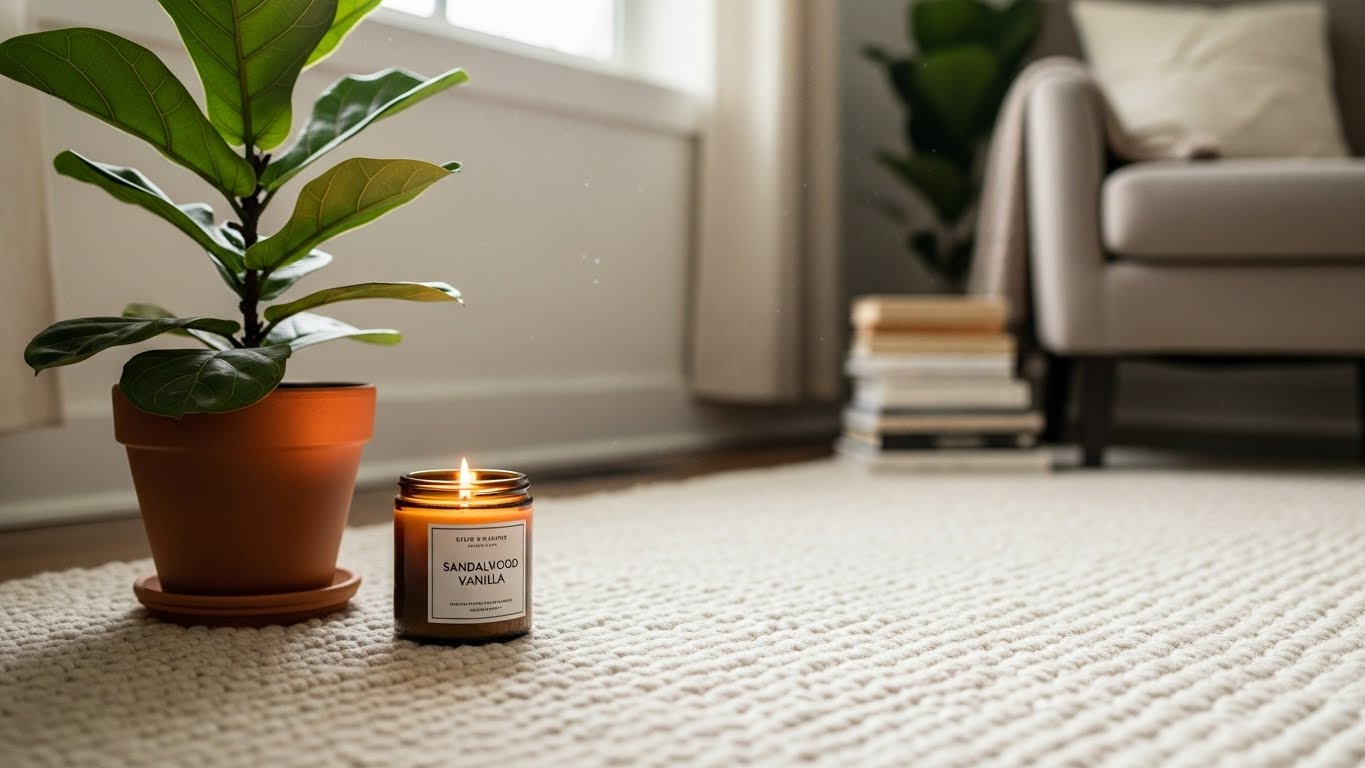
Engage all your senses to feel fully present. Sight (soft colors), sound (quiet), touch (a soft blanket), smell (a subtle scent), and taste (a sip of water before you start). This grounds you in the here and now. Engage your senses to anchor yourself. Before you meditate, take one conscious breath for each sense. Notice one thing you see, hear, feel, and smell.
23. A Simple Window Seat Sanctuary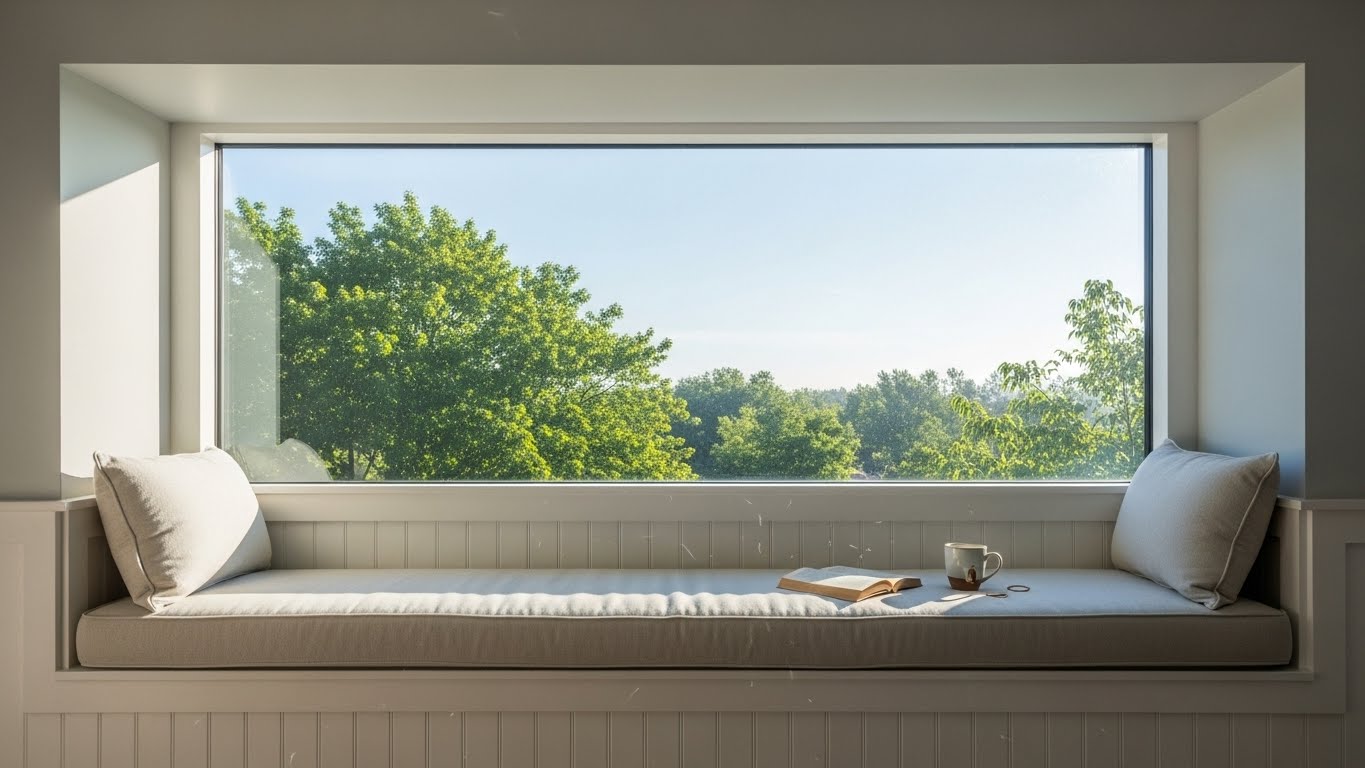
A window seat uses natural light and a view. Place a cushion on the ledge. You can watch the sky or the trees while you sit. This connection to the outside world can be very expansive. Use a view to open your mind. If you do not have a built in seat, place a small bench or a stack of large cushions directly in front of a window.
Start with one small change. Pick the idea that feels most doable for you. Add a plant. Clear a corner. Hang a simple curtain. Your peaceful space will grow from there, one mindful choice at a time.