






A cold bedroom can ruin a good night’s sleep. The right curtains do more than block light. They create a warm, quiet space that also saves money on your energy bills. This guide shows you how thermal curtains work and how to choose the best ones for your home. Get ready to feel cozier and keep more cash in your pocket.
1. Your Thermostat’s New Best Friend


Thermal curtains work with your heating system. They trap warm air inside your room, so your furnace does not run as often. This simple change helps maintain a steady temperature. You will feel the difference immediately on a chilly night. Lower your thermostat by a degree or two and let the curtains do the work. For a quick fix, add a tension rod inside your window frame and hang a cheaper thermal panel behind your existing curtains.
2. The Science of Thermal Insulation


These curtains use multiple layers of fabric to create a barrier. A dense core material stops heat from passing through the window. Think of it like a winter coat for your glass. The curtain reflects your room’s heat back inside. It also blocks cold air from seeping in. A budget-friendly option is to use a thermal blanket as a temporary liner. Pin it to the back of your current curtains for instant extra warmth.
3. More Than Just Blackout Curtains


All thermal curtains block light, but not all blackout curtains insulate. Thermal versions have a special coated or layered backing designed for temperature control. They manage both light and climate. Standard blackout fabric only focuses on darkness. Check the product description for terms like “thermal lining” or “energy efficiency.” You can add a thermal lining to your favorite decorative blackout panels. Many retailers sell liners you can clip on.
4. Slash Your Heating Bills Instantly


Windows are a major source of heat loss. By covering them with insulated curtains, you can reduce that loss significantly. This directly lowers your energy use. Your heating system will have an easier job. You could see savings on your next bill. For the best results, close curtains at dusk when temperatures drop. Keep them open on sunny winter days to let free solar warmth in.
5. Summer Savings & Cool Comfort


Thermal curtains are not just for winter. In summer, they reflect sunlight and heat away from your room. This keeps your space cooler without overworking the air conditioner. Light-colored thermal curtains are especially good for this. They help maintain a comfortable temperature all year. A DIY approach is to use a reflective sun shade cut to fit your window, placed behind a lightweight curtain.
6. Drafty Window? Consider It Handled


Old, drafty windows let in cold air. Thermal curtains act as a soft seal against these leaks. Their full, heavy construction stops drafts along the window frame. For maximum protection, choose curtains that are wider than your window and long enough to touch the floor or sill. You can attach magnetic tape to the curtain’s leading edge and the wall for a super-sealed, draft-proof closure.
7. The Soundproofing Bonus


The same dense layers that block temperature also absorb sound. These curtains can soften outside noise like traffic, neighbors, or rain. This creates a much quieter environment for sleeping or relaxing. It is an extra benefit that improves your daily comfort. For better sound blocking, install the curtain rod wide and high so the fabric covers more of the wall around the window.
8. Year-Round Climate Control


Think of thermal curtains as a tool for every season. You use them to retain heat in winter and block heat in summer. This consistent use makes them a smart, year-round home accessory. You do not need to store them or switch them out. Simply adjust how you use them—open or closed—based on the weather and time of day.
9. How to Measure for Maximum Efficiency


Proper measurement is key. For the best insulation, the curtain should cover the entire window area and some of the surrounding wall. Measure the width of the window and add 8 to 12 inches on each side. For length, measure from the rod to where you want the curtain to end—usually the floor or windowsill. Always measure twice before you order to avoid costly mistakes.
10. Lining vs. Interlining Explained


A lining is a separate layer of fabric attached to the back of the main curtain. Interlining is a fluffy layer sandwiched between the main fabric and the lining. Interlining adds extra bulk and insulation, making the curtain much heavier and more effective. For a budget-friendly upgrade, look for curtains described as “triple-weave” which often have a built-in interlining effect without the high cost.
11. Top Fabric Choices for Warmth


The best fabrics for warmth are dense and heavy. Velvet is a top choice because its tight weave traps air. Suede, tweed, and thick cotton also work well. The weight of the fabric is a good indicator of its insulating power. Feel the material in the store. If it feels substantial and thick, it will likely perform well. You can line almost any fabric with a separate thermal liner for added warmth.
12. The Velvet Revolution


Velvet is naturally insulating due to its dense pile. It is a classic choice that adds a touch of luxury to any bedroom. Modern thermal velvets are often treated for easy care and durability. They come in a wide range of colors to suit any decor. This fabric is both stylish and highly functional. Look for machine-washable velvet options to combine elegance with practical cleaning.
13. Thermal Curtains for Modern Bedrooms


Modern style favors clean lines and simple colors. Thermal curtains fit perfectly in this aesthetic. Look for solid colors like grey, charcoal, or navy. Grommet tops offer a crisp, contemporary look. The function of the curtain—insulation—aligns with the modern preference for smart, efficient design. Choose a single bold color to make the curtains a quiet, functional statement piece.
14. Cozy & Traditional Thermal Styles 

Traditional bedrooms often use pattern and texture. Thermal curtains are available in classic prints like damask, toile, or jacquard. These styles add visual warmth and character while providing physical warmth. Look for curtains with a rod pocket or back tab heading for a more classic, gathered appearance. The heavy fabric will drape beautifully, enhancing the cozy feel.
15. Finding Your Perfect Color & Pattern


Color affects both style and function. Dark colors like navy or brown can make a room feel warmer and more intimate. Light colors like beige or light grey help reflect heat in summer and keep a room feeling airy. Patterns can hide dust and wear. A DIY tip is to buy a small fabric swatch before committing to see the color in your own light.
16. Grommet, Rod Pocket, or Back Tab?


The heading changes the look and function. Grommets offer a modern look and slide easily. Rod pockets create a soft, gathered traditional look. Back tabs create a sleek, hidden rod appearance. For thermal curtains, which are heavier, grommets are often the easiest to open and close. If you have a standard rod, a rod pocket is a classic, budget-friendly choice that works with most decors.
17. Installation Tips for a Perfect Seal


Installation is crucial for efficiency. Mount the curtain rod 4-6 inches above the window frame and 6-12 inches wider on each side. This allows the curtain to cover the whole window and part of the wall when closed, sealing in warmth. Make sure the curtains are long enough to touch the floor or windowsill. Use strong, sturdy brackets to support the heavy weight of the fabric.
18. Layering for Ultimate Luxury


Layering curtains adds style and function. Hang a lightweight sheer curtain against the window for privacy during the day. Then, add your thermal curtain over it. This gives you flexibility—use the sheer for soft light, and draw the thermal for total darkness and insulation at night. This approach gives you the best of both worlds without a large construction project.
19. Child & Pet-Friendly Thermal Options


Choose durable and easy-to-clean fabrics. Machine-washable thermal curtains are ideal for homes with kids and pets. Look for synthetic blends or treated cottants that resist stains and are easy to wipe clean. Avoid long curtains that pool on the floor if you have pets that might chew on them. A patterned fabric is great for hiding minor stains and pet hair between washes.
20. Easy Care & Maintenance Guide


Most thermal curtains can be machine washed on a gentle cycle. Use cold water and mild detergent. Tumble dry on low heat or hang to dry. Avoid fabric softener, as it can reduce the fabric’s insulating properties. Regular vacuuming with an upholstery attachment helps keep dust at bay. Always check the care label first, as some thicker styles may be dry clean only.
21. Are They Worth the Investment?


Thermal curtains are a cost-effective home upgrade. The initial cost is offset by savings on your heating and cooling bills over time. They also protect your furniture from sun damage and increase your comfort. Think of them as a long-term investment in your home’s efficiency and your own well-being. The payback period can be surprisingly short, especially in older homes with drafty windows.
22. Top 5 Brands You Can Trust


Certain brands consistently deliver quality and performance. Look for companies known for their home textiles and window treatments. These brands often offer better construction, more fabric choices, and reliable customer service. Read reviews specifically about the thermal insulating qualities of their curtains. A good brand will provide clear information about the curtain’s materials and energy-saving features.
23. DIY Thermal Curtain Hacks


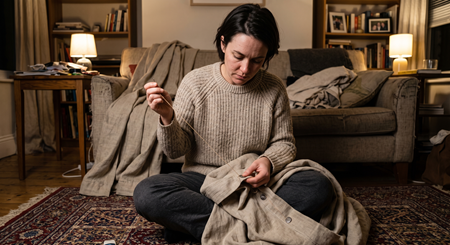
You do not need to buy new curtains. You can make your existing ones thermal. Buy thermal lining fabric by the yard. You can sew it onto the back of your current panels or use fabric glue for a no-sew option. Another idea is to hang a separate thermal shade behind your decorative curtains. This is a very cost-effective way to get the benefits without a full replacement.
24. Your Winter Sanctuary Awaits


Transforming your bedroom into a warm retreat is simple. The right thermal curtains make it a reality. They provide immediate physical comfort and long-term financial savings. Your bedroom becomes a true sanctuary from the cold, a quiet and cozy space to rest and recharge. This small change has a big impact on your daily life.
Start with one window. Measure your bedroom window tonight and see what options are available. This small step can lead to a warmer, quieter, and more efficient home. You will notice the difference the very first time you draw them closed on a cold evening.