



Living in a small studio apartment is a lesson in smart design. Every piece and every choice matters. The goal is to create a home that feels open, organized, and personal. These ideas focus on visual tricks and multi-purpose furniture. They help you make the most of your square footage without a big budget.
1. Embrace Minimalist Furniture

Choose furniture with simple lines and no extra bulk. A sleek sofa or a plain bed frame keeps the visual noise low. This makes your room feel less crowded. Look for pieces that serve their purpose without shouting for attention. A DIY tip is to use a simple wooden crate as a side table. It adds function without taking up much visual space. This approach helps maintain a clean and open atmosphere.
2. Go Vertical with Tall Storage

Use your wall height, not just your floor space. A tall, narrow bookcase or cabinet holds a lot without a big footprint. It draws the eye upward, making the ceiling feel higher. Store items you use less often on the higher shelves. A budget-friendly idea is to find a secondhand armoire and paint it a light color. Use the full height of your walls to free up valuable floor area for living.
3. Use a Room Divider Curtain

A curtain is a soft, flexible way to create separate areas. It can give you privacy for sleeping or quiet for working. When open, it disappears completely. Choose a light, sheer fabric to keep light flowing through the space. You can install a simple curtain rod or wire from the ceiling for a few dollars. This is an easy way to define your space without building permanent walls.
4. Opt for a Sleeper Sofa

Your sofa can do double duty as a guest bed. A sleeper sofa saves you from dedicating space to a bed that is rarely used. Look for modern designs that are comfortable for daily sitting. Some models even have built-in storage for linens. Check local online marketplaces for budget-friendly secondhand options. This one piece of furniture solves two big problems in a small home.
5. Install Floating Shelves

Floating shelves keep your floor clear. They provide display and storage without the bulk of a bookcase. You can install them in unused nooks or above a desk. Staggering them at different heights adds visual interest. A simple DIY project is to mount a single long shelf above a sofa or bed. Keep displays minimal to avoid a cluttered look. This adds function and style without closing in the room.
6. Choose a Glass Coffee Table

A glass tabletop is visually light. You can see the floor underneath, which makes the room feel larger. It reflects light, adding to the bright feel. Look for one with a slim metal frame. A budget-friendly alternative is an acrylic or lucite table. It offers the same see-through effect. This small change can have a big impact on how open your main living area feels.
7. Implement a Monochromatic Palette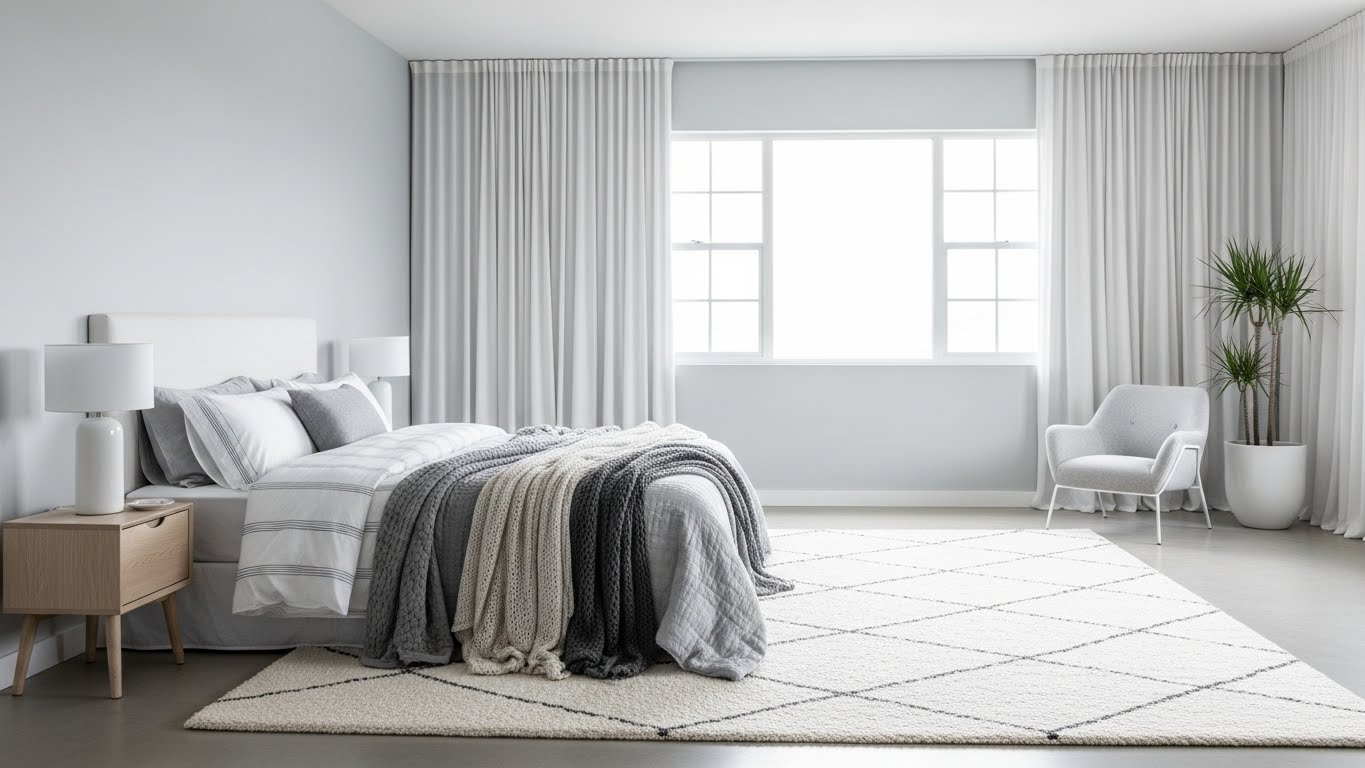

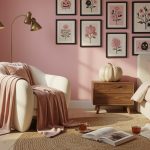
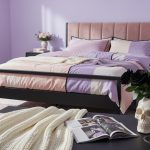
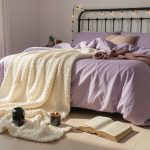
Stick to one main color family. Using different shades of the same color creates a smooth, flowing look. This avoids the choppy feeling that many colors can create. Add texture with fabrics like linen, wool, or knit throws to keep it interesting. A DIY tip is to paint all your furniture frames the same color as your walls. This creates a unified visual flow that expands the sense of space.
8. Incorporate Multi-Functional Pieces

Furniture that does more than one job is key. An ottoman can be a footrest, a coffee table, and storage. A bench can offer seating and a place to stash items inside. Look for pieces designed with hidden compartments. A budget-friendly find is a stack of vintage suitcases to use as a side table. Every item should earn its keep in your limited square footage.
9. Utilize Mirrors to Expand Space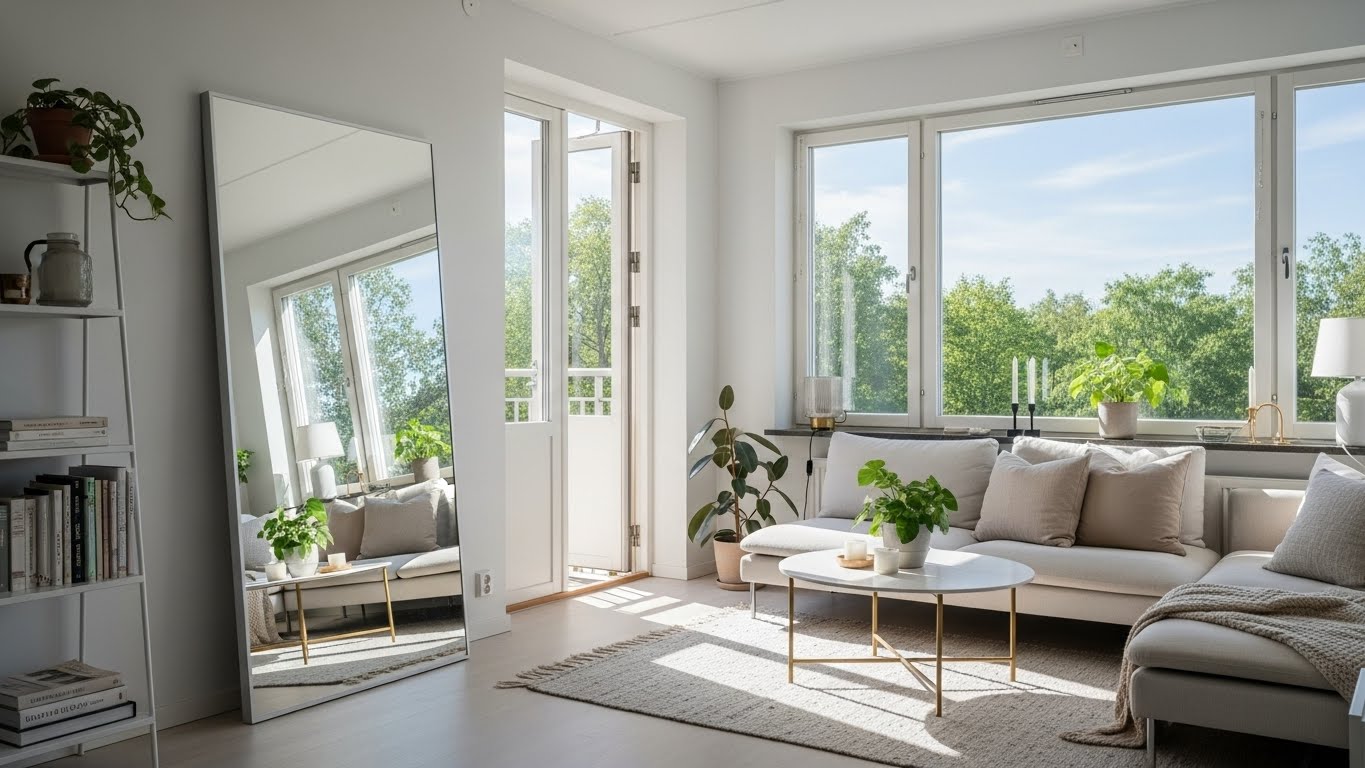

A large mirror is the oldest trick for a reason. It reflects light and the view, creating an illusion of depth. Place it across from a window to double the natural light. A floor-length mirror leaning against a wall is a safe, DIY-friendly option. Reflect a pleasant view to make the room feel more expansive. This simple addition can completely change the perception of your studio’s size.
10. Define Zones with Rugs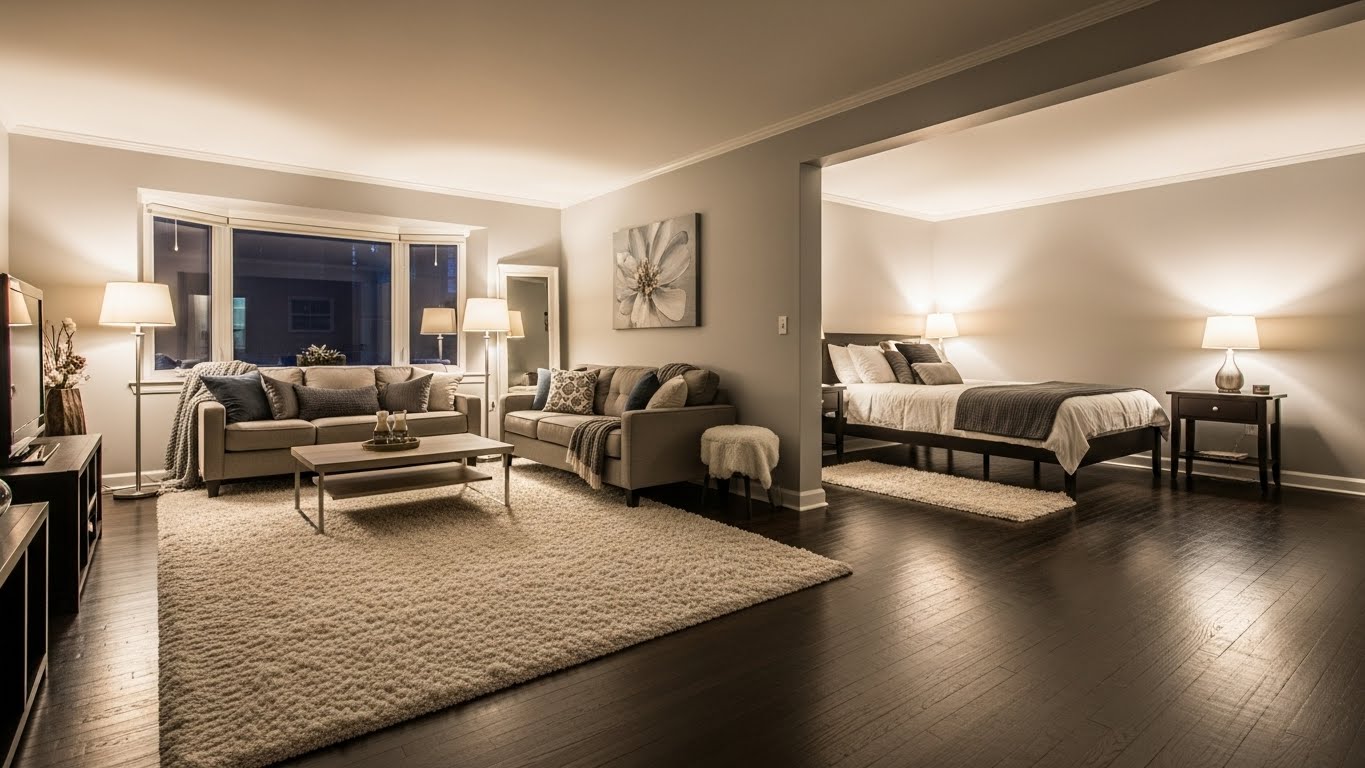

Rugs act like visual floor plans. A rug under your sofa and coffee table marks the living room. Another under your bed defines the sleeping area. This helps organize the open space without physical walls. You can often find nice, large rugs for less at big-box home stores. Lay down a rug to anchor a zone and give each part of your studio its own identity.
11. Select Fold-Down Desks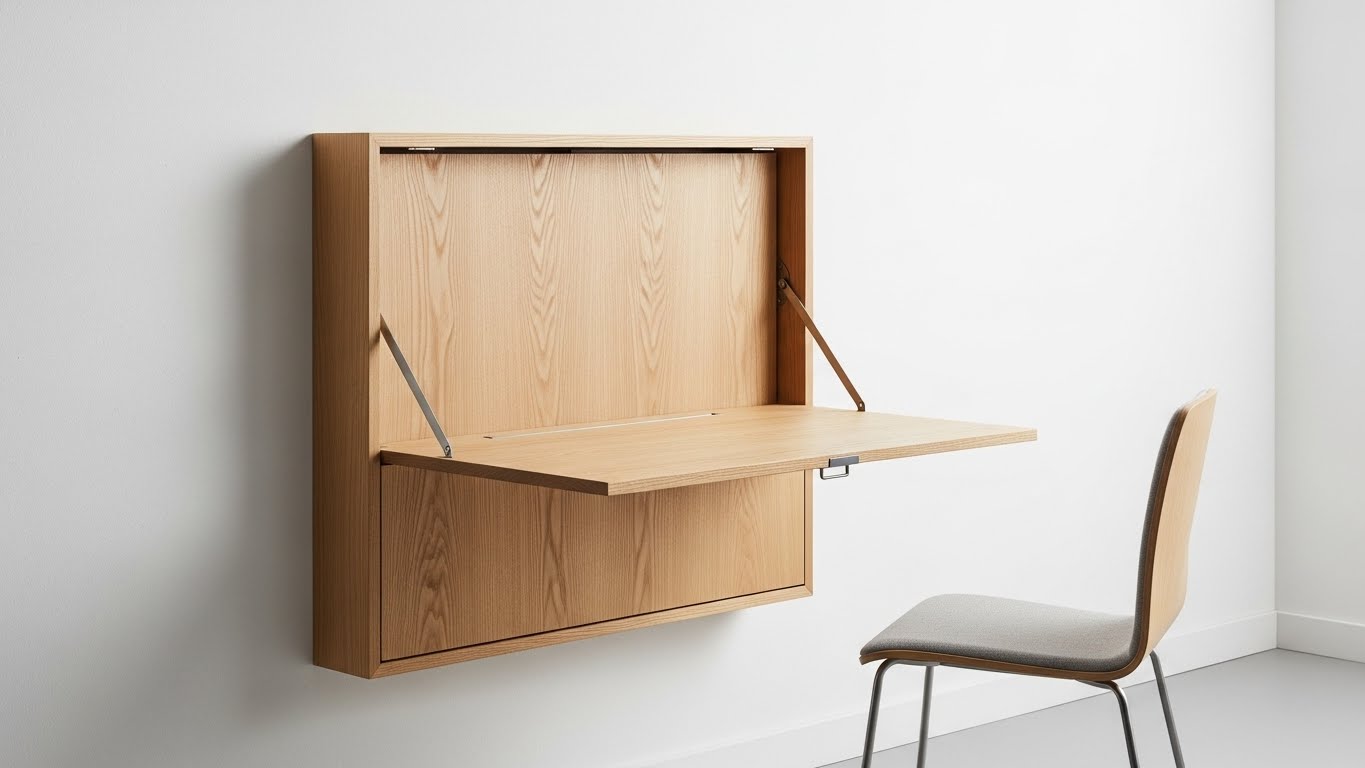

A wall-mounted desk folds up when you are done working. It disappears completely, freeing up floor space. This is perfect for a home office that shares a room with your living or sleeping area. You can build a simple one with a sturdy bracket and a sanded wood plank. Keep your work life from taking over your home life by putting it away at the end of the day.
12. Maximize Under-Bed Storage

The space under your bed is valuable real estate. Use a bed frame with built-in drawers. Alternatively, use low-profile rolling bins that slide easily in and out. This is perfect for storing out-of-season clothes, extra bedding, or shoes. A budget-friendly solution is to use cardboard storage boxes made to fit under standard beds. Turn dead space into useful storage and keep your floor clear.
13. Install Track Lighting

Overhead lighting saves surface space. Track lighting lets you direct light exactly where you need it—on your desk, your art, or your sofa. It provides ample light without needing multiple floor or table lamps. You can find simple, plug-in track lighting kits that don’t require hardwiring. This gives you flexible, focused light without cluttering your small surfaces with lamps.
14. Choose Low-Profile Furniture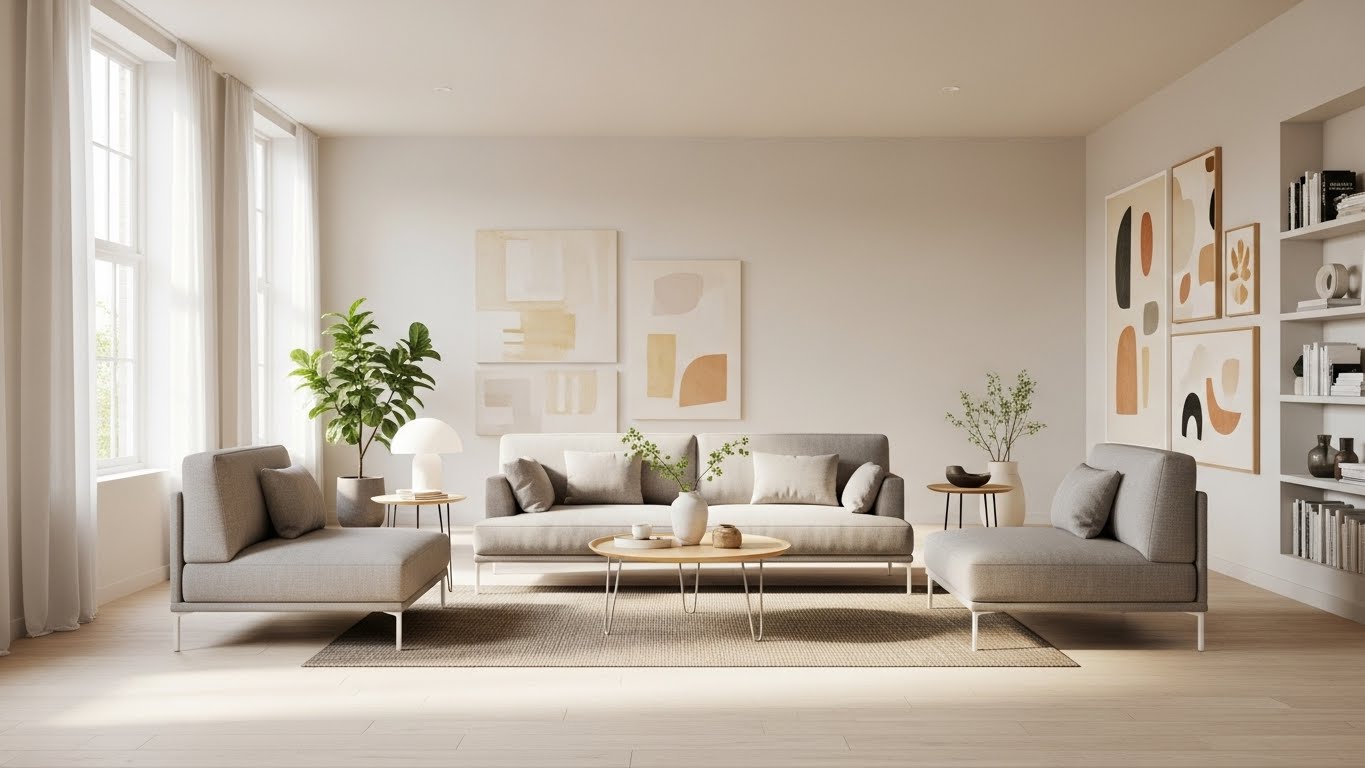

Furniture that sits close to the floor makes the ceiling appear higher. A low-slung sofa or a platform bed has this effect. It creates a sense of more air and space above. Look for pieces with a horizontal, stretched-out feel. This design trick is all about proportions. Lower furniture can make your entire studio feel more spacious and relaxed.
15. Use a Murphy Bed Solution

A Murphy bed folds vertically into the wall. By day, you have a full living or office area. By night, you have a comfortable bed. Modern designs are easy to use and can include built-in shelving or a desk. While some are expensive, there are many DIY plans available online for a more affordable build. This is the ultimate space-saving solution for a studio.
16. Hang Curtains High and Wide

Install your curtain rod several inches above the top of your window frame. Extend the rod wider than the window on each side. When open, this exposes the entire window, flooding the room with light. It also makes your windows seem much larger and grander. This is a simple DIY adjustment that requires only a new curtain rod. It’s a small change with a dramatic effect on room height.
17. Opt for Nesting Tables

Nesting tables are two or three tables that tuck under one another. You can pull them out when you have guests or need extra surface space. When not in use, they store compactly. This gives you flexibility without a permanent footprint. You can often find vintage sets at thrift stores for a budget-friendly price. They are a smart, scalable solution for surface needs.
18. Incorporate Transparent Elements

See-through furniture reduces visual weight. An acrylic chair or a glass tabletop doesn’t block the view. This keeps sightlines open and long. It helps prevent the room from feeling chopped up. Look for clear accessories like magazine holders or trays. Let the eye travel through the space to make it feel more continuous and open. This is a simple but effective styling trick.
19. Create a Pegboard Wall Organizer

A pegboard turns any wall into a customizable storage system. You can hang tools, kitchen supplies, craft materials, or office gear. Move the hooks and shelves around as your needs change. Painting the pegboard the same color as your wall helps it blend in. This is an extremely budget-friendly and adaptable DIY project. It gets clutter off your counters and floors and onto the wall.
20. Build a Lofted Sleeping Area

If your ceiling height allows, a lofted bed frees up the entire floor below. This creates a separate “room” for sleeping and leaves the ground level for living, working, or dining. The area underneath can become a closet, an office, or a lounge. This is a more involved project, but it effectively doubles your usable floor space. It’s a game-changer for vertical living.
21. Choose Furniture on Legs

Furniture with exposed legs creates a sense of airiness. You can see the floor extending underneath, which makes the room feel larger. It also makes cleaning underneath much easier. Look for sofas, chairs, and tables with slim, tapered legs. This design element allows light and sightlines to flow freely around the room, reducing visual bulk. It’s a simple choice with a big impact.
22. Implement Smart Hidden Storage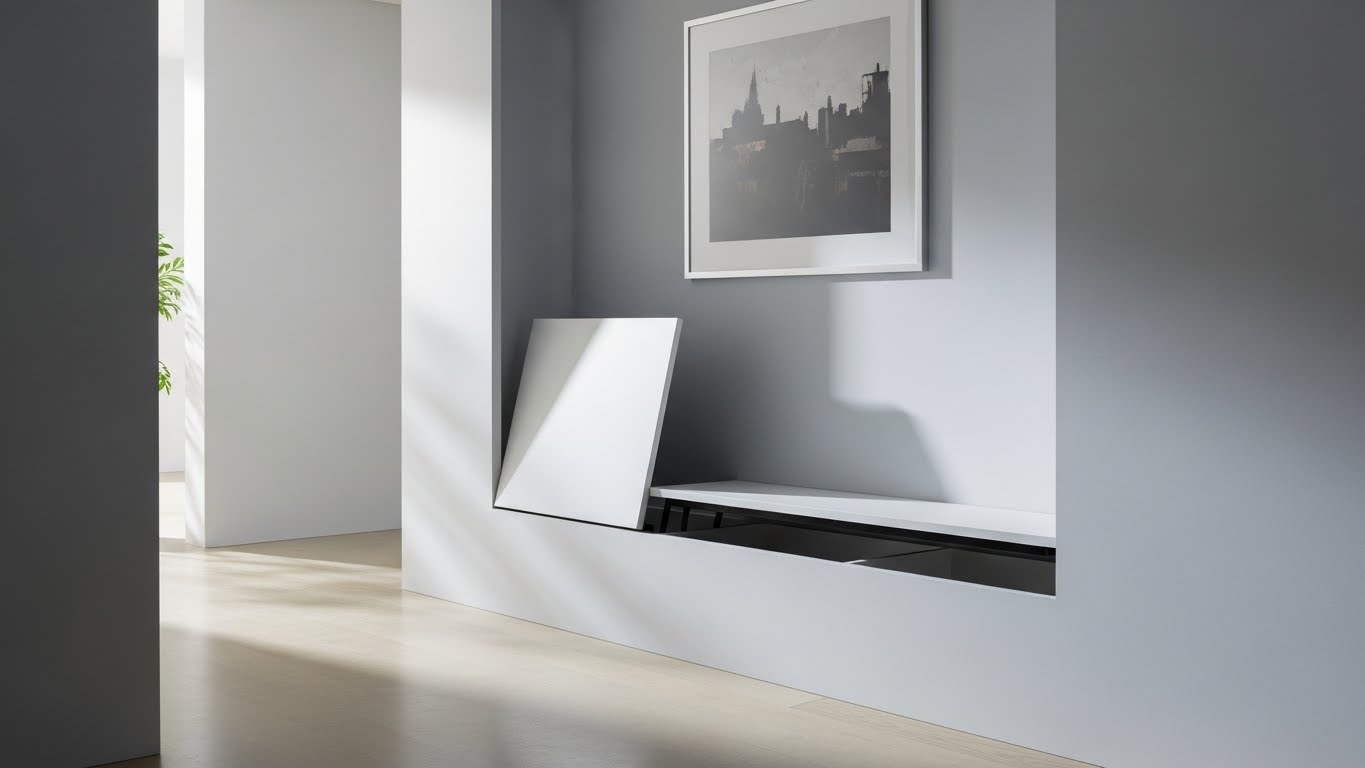

Look for unexpected places to add storage. A hollow bench, a window seat with a lid, or stairs with drawers can hide your belongings. This keeps your everyday items accessible but out of sight. A simple DIY idea is to add a shelf high up in a closet for less-used items. Tuck things away to maintain a clean, serene environment. A clutter-free space always feels bigger.
23. Use Sliding Doors or Panels

Swinging doors need clearance to open. Sliding doors or panels glide along a track, saving that valuable floor space. They can conceal a closet, kitchen area, or even a bathroom. You can create a simple sliding panel with a curtain track and a large piece of plywood or fabric. This is a space-saving alternative to traditional doors that makes a small layout more functional.
24. Select Dual-Purpose Ottomans

An ottoman can be your coffee table, extra seating, and a footrest. Choose one with a flat, sturdy top so you can place a tray on it. Some models have a hollow interior for storing blankets or magazines. This is a versatile piece that adapts to your daily needs. It replaces several single-purpose items, helping you keep your space simple and multifunctional.
25. Install a Rolling Kitchen Island

A kitchen island on wheels adds prep space and storage. You can move it where you need it while cooking and tuck it away when you don’t. Look for one with a butcher block top and a shelf or drawer underneath. You can often find inexpensive, unfinished carts that you can stain or paint yourself. This gives you flexible counter space in a typically tight area.
26. Embrace the Power of Decluttering

Less stuff means more space. Regularly edit your belongings. If you haven’t used something in a year, consider letting it go. Clear surfaces like counters, tables, and shelves make a room feel instantly larger. Make it a habit to put things away after use. A tidy space is not only more pleasant to live in, but it also feels significantly more spacious.
Start with just one or two of these ideas that feel right for your home and lifestyle. You do not need to do everything at once. Small, consistent changes can make your studio feel more open, organized, and truly yours. The best space is one that works for you.