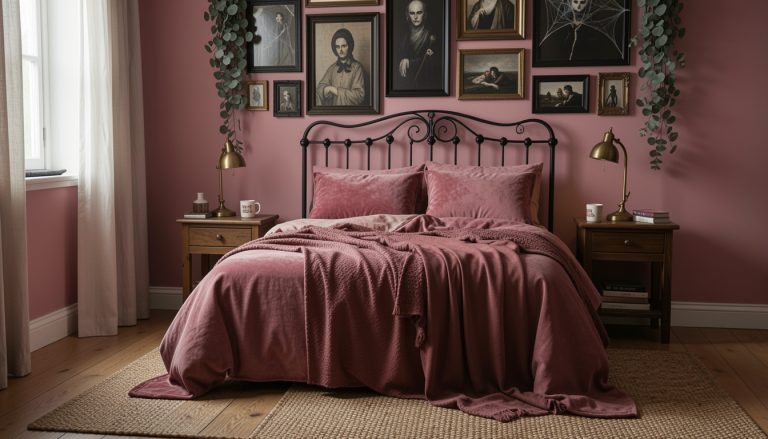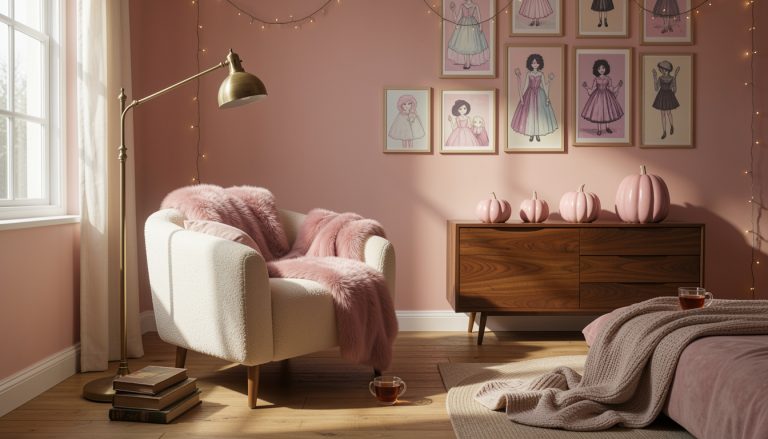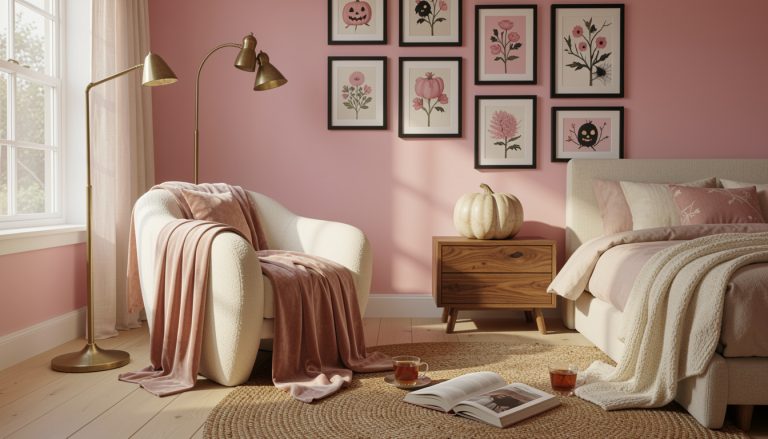






Creating a welcoming and safe space for older guests involves thoughtful design. Focus on comfort and ease of movement. Small changes can make a big difference. This guide offers practical ideas to help you prepare a room they will love.
1. The Golden Rule: Ample, Accessible Lighting


Good lighting prevents trips and falls. Use multiple light sources. Place a bright lamp on the bedside table. Add a floor lamp for general room light. Make sure the main overhead light is strong but not glaring. Install plug-in motion sensor lights under the bed or in the closet. This is a great budget-friendly option. It automatically lights their path to the bathroom at night.
2. Bed Height is Everything


A bed that is too low or too high can be a problem. The ideal height lets your guest sit on the edge with their feet flat on the floor. Their knees should be level with their hips. If a bed is too low, raise it with bed risers. This is a simple and DIY solution. For a bed that is too high, a small, sturdy step stool with a handle can help.
3. Create a Clear & Clutter-Free Path


Keep the path from the door to the bed and bathroom completely clear. Move furniture like ottomans and low tables out of the way. Secure any area rugs with double-sided tape to prevent slipping. A clutter-free floor is a safe floor. Make sure nightstand drawers open fully without blocking the walkway. This simple step costs nothing and greatly improves safety.
4. The Power of a Stable Bedside Chair


A sturdy chair by the bed provides a safe spot to sit while dressing. Choose a chair with arms. The arms offer support when getting up or sitting down. Avoid chairs on wheels or with low, soft seats. You can often find stable, second-hand chairs at thrift stores. A quick coat of paint can make it match the room’s decor. This is a budget-friendly way to add function.
5. Non-Slip Flooring for Peace of Mind


Slippery floors are a major hazard. Low-pile carpet is a good choice. It provides grip for walkers and canes. If you have hard floors, use large area rugs with a strong non-slip pad underneath. Secure all rugs firmly. For a DIY fix, apply double-sided carpet tape to the corners of any loose mats. Always check that the pad extends to the rug’s edges.
6. Install Secure Grab Bars Strategically


Grab bars offer stability when getting out of bed. Install one on the wall beside the bed. Make sure it is anchored securely into wall studs. A properly installed bar is strong and reliable. You do not need a full bathroom renovation. These bars can be added to any wall where extra support is helpful. Choose a color that stands out from the wall for better visibility.
7. Light Switches Within Easy Reach


Your guest should not have to walk into a dark room. Place a lamp switch right by the bed. Also, make sure the main room light switch is easy to find near the door. Glow-in-the-dark light switch covers are a great help. They are a low-cost and DIY item you can stick on. This small change helps guests locate the switch in the dark without fumbling.
8. A Bedside Commode for Nighttime Needs


Frequent nighttime bathroom trips can be risky. A bedside commode provides a safe and private option. Modern versions are discreet and look like regular furniture. Place it within easy reach of the bed. This simple addition prevents long, sleepy walks to the bathroom. It is a practical solution that offers dignity and safety. Many medical supply stores rent them for short visits.
9. Opt for a Firm, Supportive Mattress


A good mattress supports the back and makes it easier to change positions. A mattress that is too soft can be difficult to get out of. Look for a firm or medium-firm option. If a new mattress is not possible, a firm mattress topper can help. This is a more budget-friendly way to improve support. Check that the mattress is not too high when combined with the topper.
10. Lever-Style Door Handles Over Knobs


Round doorknobs can be hard to turn for stiff or sore hands. Lever handles are much easier. They can be pushed down with an arm or a closed fist. Switching to lever handles is a simple upgrade. You can often do this yourself with a basic screwdriver. It is a small change that makes the whole house more accessible for your guest.
11. A Well-Stocked, Accessible Emergency Kit


Keep a small kit in the bedside table drawer. Include a flashlight with fresh batteries, a first-aid kit, and a list of important phone numbers. Add a fully charged power bank for a cell phone. Make sure everything is easy to find. You can assemble this kit yourself using items from around the house. Tell your guest where it is when they arrive.
12. Nightlights for Safe Navigation


Nightlights guide the way to the bathroom without turning on bright overhead lights. Use plug-in models along the baseboard from the bed to the bathroom. Choose lights with soft, warm glow. Automatic, motion-activated nightlights are very effective. They turn on only when needed. This is an easy and budget-friendly safety feature. It helps prevent disorientation during nighttime trips.
13. Clear, Bold Labels for Important Items


Help your guest feel independent. Use large, easy-to-read labels on drawers and cabinets. Label where to find cups, snacks, towels, and extra blankets. Large print is much easier to see. You can make these labels on your computer or buy them from a store. This simple act shows care and helps them find what they need without having to ask.
14. Comfortable, Upright Seating Area


A place to sit other than the bed is nice for reading or talking. Choose chairs with firm seats and straight backs. This makes sitting down and standing up easier. Avoid deep, low sofas. A simple dining chair can work well if it is sturdy and has arms. Adding a cushion for comfort is a quick DIY update. Place a small table between the chairs for a cup of tea.
15. Adjustable Bed Trays for Dining & Activities


A bed tray allows your guest to eat, read, or use a laptop comfortably in bed. Look for a tray with adjustable legs. This lets them find the perfect height. Some trays have a lip to prevent spills. A lap desk with a bean bag base is a good budget-friendly alternative. It conforms to the lap and provides a stable surface.
16. Remote-Controlled Blinds or Curtains


Opening and closing window coverings can be a chore. Remote-controlled blinds or curtains let your guest adjust the light without moving. This is especially helpful first thing in the morning or at night. You can find affordable retrofit kits that motorize existing blinds. This is a practical DIY project that adds a lot of comfort. The remote can stay on the nightstand.
17. A Dedicated Charging Station by the Bed


Keep essential devices charged and within reach. Set up a power strip with USB ports on the nightstand. Use a clip or velcro strip to secure the cords. This prevents cords from dangling off the table. It creates a single, safe spot for charging a phone, hearing aids, or a tablet. This is an easy and organized solution you can set up in minutes.
18. Temperature Control at Their Fingertips


Older adults can be more sensitive to temperature changes. Give them control over their room’s climate. A small space heater or a fan that they can operate themselves is a good idea. If possible, make sure they can adjust the main thermostat. A simple, programmable thermostat is best. Show them how it works when they arrive so they feel comfortable making changes.
19. Contrasting Colors for Visual Clarity


Use color to define different surfaces. Paint walls a light color and woodwork a darker color. This makes door frames and corners easier to see. Place a light-colored lamp on a dark table. Contrast helps with depth perception. You can achieve this with paint, furniture, or accessories. It is a design principle that also serves a vital safety function.
20. A Personal Touch with Familiar Photos


Make the room feel like home. Place a few framed photos of family or happy memories on the nightstand or dresser. This small gesture provides comfort and a sense of familiarity. Personal items ease the stress of being in a new place. You can use frames you already own. Ask family members to send digital photos you can print for the visit.
21. The Essential Cord-Free Zone


Loose cords are a major tripping hazard. Run lamp cords behind furniture. Use cord covers to secure any wires that must cross a walkway. Tuck phone charger cables onto the nightstand. A clear floor is a safe floor. Go through the room before your guest arrives and do a final check for any stray wires. This is a free and effective safety step.
Start with one or two of these ideas. Even small adjustments, like adding a nightlight or clearing a path, can make a guest feel more secure and cared for. Your thoughtfulness will create a space where they can relax and enjoy their stay.