


Creating a bedroom that your child will love for years can be simple. Focus on flexible pieces and personal touches that can change as they do. These ideas help you build a space that is fun today and functional tomorrow. You can start small and add more over time.
1. Themed Growth Chart Wall Art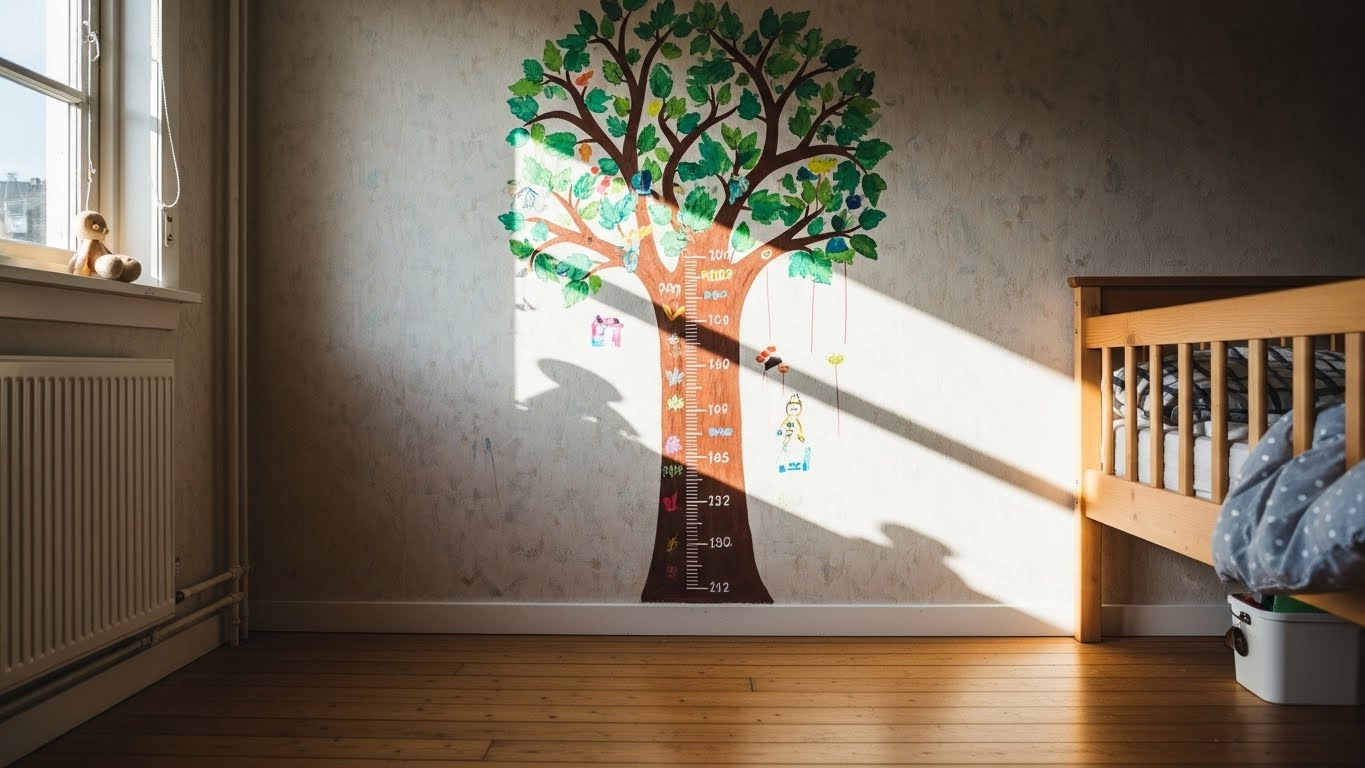

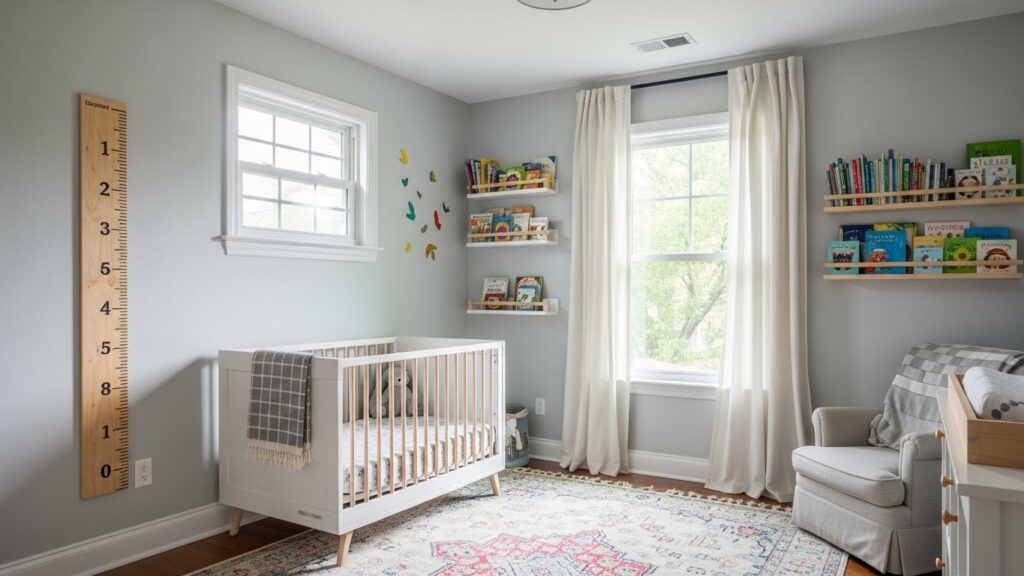
A growth chart is more than a measuring tool. It becomes a record of childhood. Choose a theme your child loves, like a space rocket or a magical tree. You can paint it directly on the wall. Use a stencil for a clean look if you are not confident freehand. This project adds a personal touch that lasts. It is a budget-friendly way to create lasting memories. The chart grows in meaning as your child grows taller.
2. Modular & Mix-and-Match Furniture

Modular furniture adapts to your child’s changing life. Cube storage units can be a bookshelf, a toy chest, or a room divider. You can rearrange them as needs shift. Look for pieces that can be stacked or connected in new ways. A DIY tip is to use simple wooden crates. You can sand them and paint them in different colors. This approach is easy to update and very cost-effective.
3. Convertible Crib to Toddler Bed

A convertible crib is a smart investment. It changes from a safe sleeping space for a baby into a toddler bed. This saves money and reduces waste. Many models even turn into a full-sized headboard. When converting the crib, involve your toddler in choosing new sheets. This makes them excited about their “big kid” bed. It is a simple change that feels like a big milestone.
4. Timeless Neutral Wall Colors

Neutral walls are a perfect canvas. Colors like soft gray, warm white, or pale beige do not go out of style. They let you change the room’s feel with accessories. You can add color with bedding, art, and rugs. A budget-friendly idea is to choose a neutral base and add vibrant accents. This way, you can refresh the room easily without repainting. It keeps the space feeling current.
5. Interactive & Changeable Wall Decals

Wall decals are perfect for renters or hesitant painters. They are easy to apply and remove without damage. Choose decals that tell a story or create a scene. Your child can help place them. A DIY alternative is to use colored masking tape. You can create geometric patterns or a simple city skyline. This is a low-commitment way to add big personality. Change the design with the seasons.
6. Adjustable & Fun Lighting Solutions

Good lighting sets the tone for play and rest. A fun main light, like a star or animal shape, adds character. Then, add a small desk lamp with an adjustable arm for reading. For a budget-friendly option, string fairy lights inside a clear glass jar. This creates a magical night light. You can choose bulbs with a warm glow to make the room feel cozy and safe at bedtime.
7. DIY Canopy for Whimsical Flair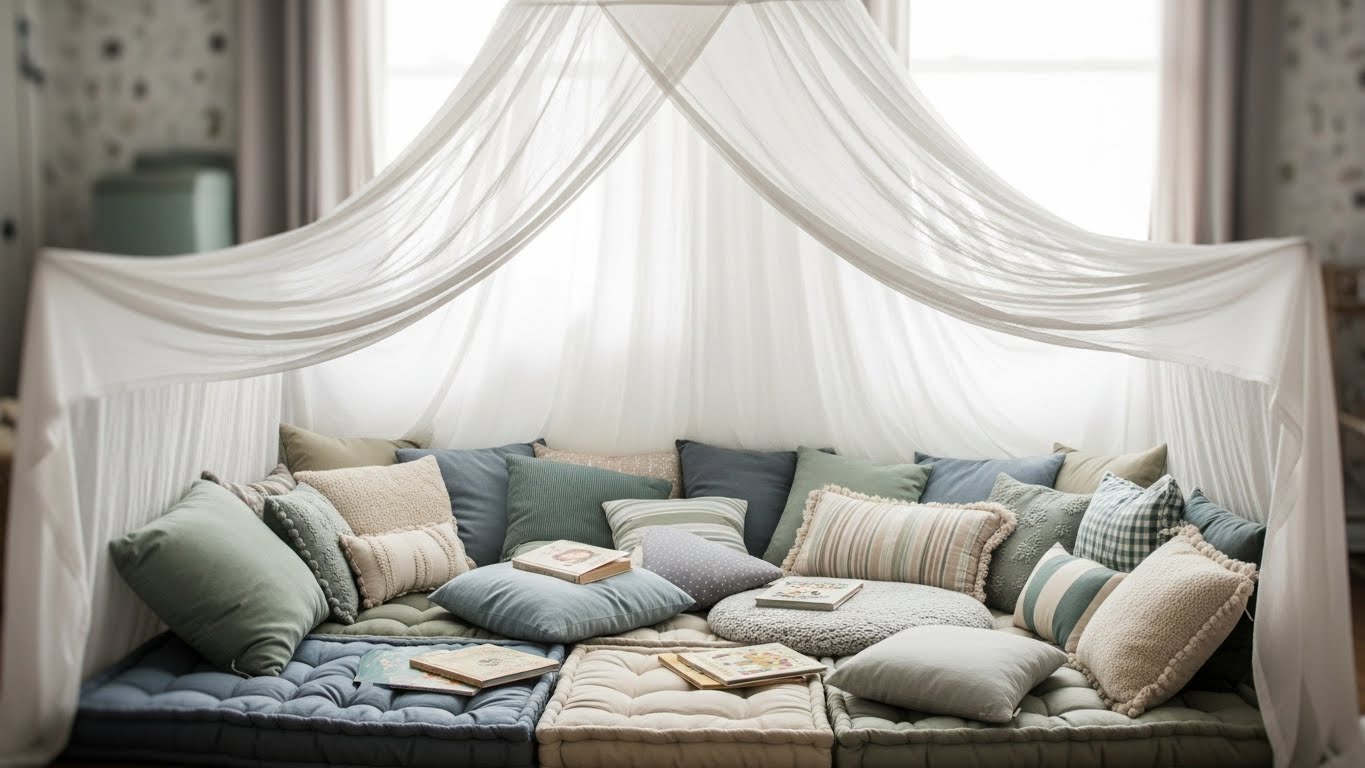

A canopy instantly makes a corner special. It creates a private retreat for reading or quiet play. You do not need a fancy kit. A simple DIY method uses an embroidery hoop and some lightweight fabric. Hang it from a hook in the ceiling. Let the fabric flow down around a comfy chair or cushions. This project is quick and affordable. It adds a touch of magic to any room.
8. Blackboard or Whiteboard Wall Section

Turn part of a wall into a canvas for creativity. Chalkboard or whiteboard paint lets kids draw directly on the wall. It is great for practicing letters or creating art. Use a small sample pot of paint to create a specific section. Frame it with wood trim for a finished look. Keep a cup of chalk or markers nearby. This encourages imaginative play every day.
9. Under-Bed Storage Treasure Chests

The space under a bed is valuable real estate. Use low, rolling bins to store toys, clothes, or extra bedding. This keeps the floor clear for play. For a DIY solution, decorate sturdy cardboard boxes with wrapping paper or contact paper. Label each box with a picture or word. This teaches kids where things belong. It makes clean-up time a simple game.
10. Swappable Gallery Wall Frames

A gallery wall celebrates your child’s life. Use frames with easy-to-open backs. This lets you swap out artwork as new masterpieces are created. Mix store-bought frames with thrift store finds you paint yourself. Use washi tape to hang smaller pieces without frames. This creates a constantly evolving display. It shows your child their creations are valued. It is a living record of their interests.
11. Versatile Area Rugs for Play & Style

A good rug defines a play area and adds comfort. Choose a durable, washable material. A rug with a road map or town design encourages imaginative play. For a budget-friendly update, layer a small fun rug over a larger, neutral one. This allows you to change the theme without a big expense. A rug also protects the floor and makes the room feel warmer and more inviting.
12. Bunk Beds with Built-In Desks

Bunk beds are great for saving space. Models with a desk underneath are even better. The bed becomes a cozy loft, and the area below is a dedicated spot for homework or crafts. This setup maximizes floor space in a small room. Look for designs with built-in shelves or drawers. You can add a curtain to the desk area to hide clutter and create a quiet nook.
13. Creative Fabric Headboards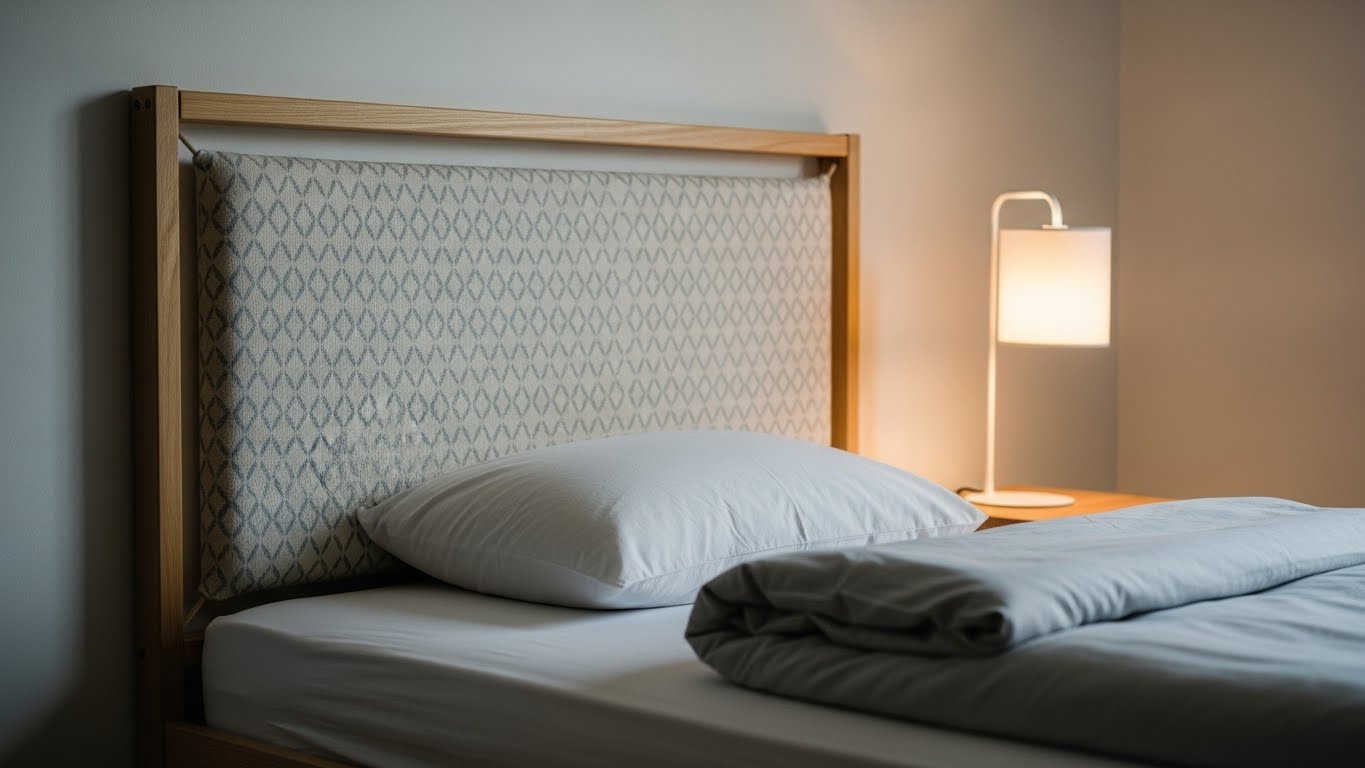

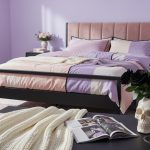
A headboard adds personality to a bed. Instead of a standard one, make your own. Stretch a favorite fabric over a piece of plywood and secure it to the wall. This is a simple DIY project. You can change the fabric when your child’s taste changes. Use a bold pattern or a calm color. This creates a custom focal point without a large cost. It makes the bed feel special.
14. Themed Accent Pillows & Throws

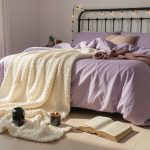
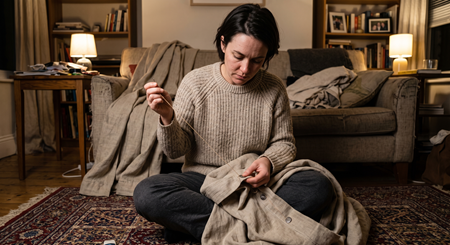
Pillows and blankets are an easy way to introduce theme and color. Choose pillows shaped like animals, vehicles, or simple geometric forms. They are perfect for play and comfort. A budget-friendly strategy is to sew your own pillow covers. This lets you update the look for very little money. Store a few sets and rotate them to keep the room feeling new. They are also easy to wash.
15. Wall Grid for Evolving Displays

A wire grid panel is a flexible display system. Your child can clip up photos, artwork, or small treasures. It grows and changes with their interests. You can find these grids at office supply stores. Use colorful mini clothespins to attach items. This is a low-cost organizing tool. It keeps important papers and art off the floor and makes a colorful, personal statement.
16. Repurposeable Toy Storage Systems

Choose storage that can be used for more than toys. Fabric bins that fit into cube shelves are perfect. Today they hold blocks, tomorrow they can hold sports equipment or school supplies. Label bins with pictures for pre-readers. A DIY idea is to decorate plain boxes with your child. This makes them proud of their organized space. Good storage habits start young.
17. Grow-With-You Reading Nook

Create a special spot just for books. Start with a floor cushion and a low shelf. As your child grows, add a small armchair and a taller bookshelf. The key is good light and comfort. Use a clip-on lamp to direct light onto the pages. This encourages a love of reading. It is a quiet retreat within their own room. Keep a basket of favorite books nearby.
18. Colorful & Removable Curtains

Curtains have a big impact on a room’s feel. Choose a fun pattern or bold color that can be easily swapped out. Look for machine-washable fabrics. For a quick DIY, add ribbon trim or pom-pom fringe to plain curtains. Use a tension rod for easy installation without drilling holes. This allows you to change the room’s mood instantly. Curtains also help control light for better naps.
19. DIY Lego or Building Wall

Turn a blank wall into a building zone. Mount a large Lego baseplate on a piece of plywood and secure it to the wall. This keeps bricks off the floor and inspires creativity. You can often find baseplates secondhand. Keep a small bucket of bricks nearby. This setup saves space and provides endless entertainment. It is a dedicated spot for constructive play.
20. Personalized Name Artwork

A child’s name is a wonderful decoration. Use wooden or cardboard letters from a craft store. Paint them to match the room. You can also decoupage them with maps or comic book pages. Hang them above the bed or on a shelf. This is a simple personal touch. It makes the room feel uniquely theirs. It is a project you can do together.
21. Multi-Level Floating Shelves

Floating shelves are both useful and decorative. Installing them at different heights creates visual interest. Use them for books, treasures, or a small night light. They keep surfaces clear. A budget tip is to use painted wooden brackets and shelf boards. This is cheaper than buying pre-made units. Arrange items with your child to create a display they love. It teaches them to curate their space.
22. Adaptable Study & Play Zones

Define different areas in the room for different activities. A small desk defines a study zone. A rug marks the play area. Use a low bookshelf as a room divider. This helps children focus on the task at hand. You can create a simple divider with a curtain rod and fabric. This is a flexible way to organize space. It makes the room work harder for your growing child.
Start with one or two ideas that fit your space and budget. Small changes can make a big difference. The goal is to create a room that feels like home today and can adapt for tomorrow. Enjoy making the space together.