How to Build a Gaming Setup at Home That Wows Every Visitor

I moved into a tiny apartment where my "gaming corner" looked like a tech graveyard: cables everywhere, a cold desk, and a sagging office chair. I spent about $420 over three weekends and ended up with a space that actually feels inviting during long sessions and impresses friends. One change made the biggest difference: layering light and textiles instead of only buying new gear.
Quick context: This guide focuses on a cyber cozy look—warm, ambient RGB mixed with soft textiles. Budget: $300–$600 to kit a small room. Works best for a dedicated corner, spare bedroom, or multipurpose living room. Trend to note: ambient wall lighting over harsh overheads for eye comfort.
What You'll Need for This Look
Foundation pieces:
- 8×10 jute area rug in natural (~$120-180)
- Linen curtains, white, 96-inch ( ~$35-50 per panel; buy 2-4)
Textiles & layers:
- Chunky cable knit throw in oatmeal (~$40-60)
- Linen duvet cover in sage green, queen (for sofa beds or daybeds; ~$70-110)
- Euro pillow inserts, 26×26, set of 2 (~$35-50)
Lighting & tech:
- RGB LED light strip, 16ft smart (~$40-100)
- Cloud wall light, warm white (~$25-60)
Organization & seating:
- Wooden pegboard wall organizer, 24×36 (~$30-80)
- Large bean bag chair, grey (~$80-150)
Gadget accent:
- Pixel LED speaker / novelty lamp (~$30-70)

Start with the foundation: Rug and curtains

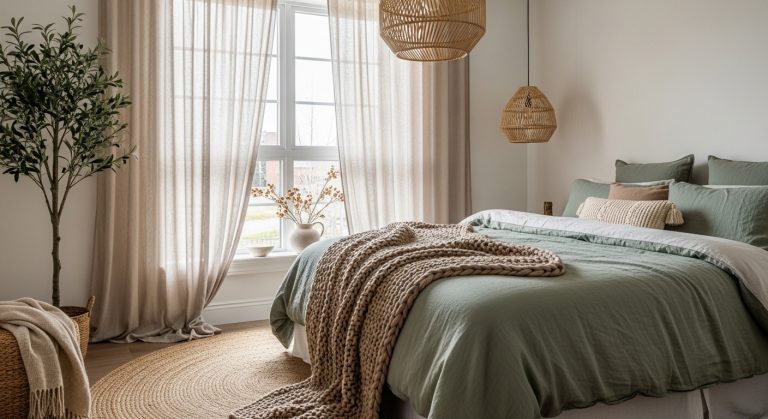
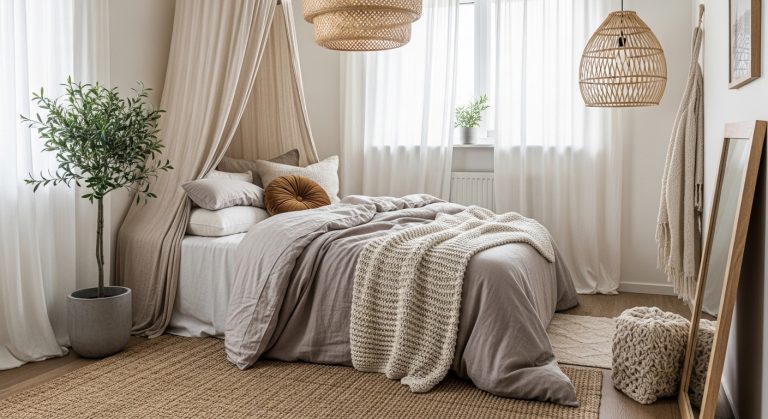
The rug and curtains set scale and tone. I used the 8×10 jute rug because its natural fiber grounds the black tech and keeps the palette warm. Place the rug so the front legs of the chair or sofa sit on it. That anchors the setup visually.
Hang white linen 96-inch curtains as close to the ceiling as your mounting allows—2–4 inches below the ceiling is ideal. The vertical line makes low rooms feel taller. My first instinct was blackout navy curtains; they made the room feel cave-like. Swapping to linen brightened everything without losing privacy.
Common mistake: choosing a rug that's too small. If furniture floats outside it, the area reads as several tiny zones instead of one cohesive setup.
Layer in softness with oversized textiles

After scale comes texture. I layered a chunky cable knit throw over the sofa and added 26×26 euro inserts in linen covers for soft structure. Use odd numbers: three cushions across a two-seater looks balanced. Pillow width should be roughly one-third of the sofa width for pleasing proportion.
I also keep a linen sage duvet cover folded at the back of the sofa. The green adds a muted color note that pairs well with wood pegboards and natural rugs. The tactile mix—coarse jute, slubby linen, and soft knit—reads curated rather than cluttered.
One misstep I made: buying all-matching cushions. The sofa looked flat. Mixing scales and subtle color shifts fixed it.
Create ambiance with warm, diffused lighting

Lighting decides mood. I run a 16ft RGB LED strip behind my monitor and under the desk lip. Choose warm whites (2700–3000K) for your main lamps, then use RGB accents for immersion. The cloud wall light provides soft, non-glaring fill light—perfect for long sessions without eye strain.
I tried soldering a custom LED profile at first. It looked sleek on paper but added cable clutter and aggravation. Swapping to a plug-and-play strip cut setup time and keeps wiring tidy. Add a pixel speaker or visualizer lamp on a shelf for a playful focal point.
Common Styling Mistakes to Avoid
Mistake: All decor at the same height
Why it doesn't work: The eye has nowhere to land.
Do this instead: Vary heights in odd numbers. Graduated candlesticks set creates immediate interest.
Mistake: Hanging curtains at the window frame
Why it doesn't work: It visually lowers ceilings.
Do this instead: Mount higher. Use adjustable curtain rods.
Mistake: Buying a too-small rug
Why it doesn't work: The room feels choppy.
Do this instead: Aim for at least an 8×10 rug for standard living rooms.
Shopping Guide: Where to Find These Items
- For affordable linens on Amazon: search linen-blend duvet covers for under $50 vs. pricier pure linen.
- Splurge on a durable rug: look for hand-woven jute rugs 8×10. A good rug lasts years.
- If light is limited, choose realistic faux plants: artificial fiddle leaf fig 4-5 ft reads better than a dying real plant.
- For shelving and pegboards in a warm wood tone, search white oak floating shelves to match the natural fibers.

Start with one element—the rug or the LED strip—and build over weekends. Small investments in lighting and textiles make the setup look intentional. What's the first change you'll try in your space?