




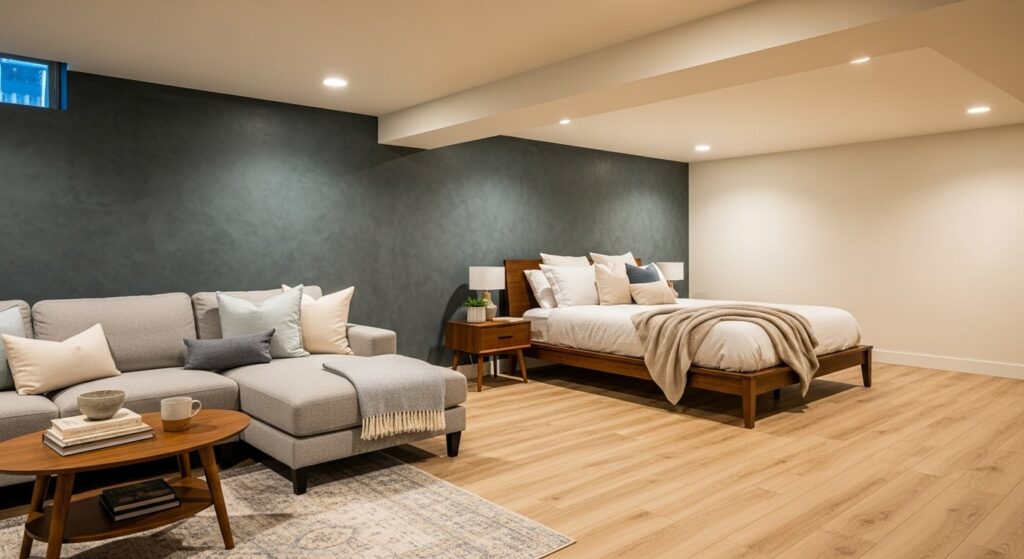

Turning your basement into a guest bedroom adds valuable living space. It can be a cozy, private spot for visitors. The key is making it feel warm and dry. These ideas will help you create a comfortable room that everyone will enjoy.
1. The Ultimate Basement Guest Room Welcome


Make your guests feel expected. A small gesture makes a big difference. Place a basket with fresh towels and a water bottle on the nightstand. Add a note with your Wi-Fi password. Clear out a drawer or a section of the closet so they can unpack. A simple welcome basket shows you have thought of their comfort. A DIY tip is to use a tray to corral these items neatly. This keeps everything organized and looks intentional.
2. Embrace the Cozy Underground Vibe


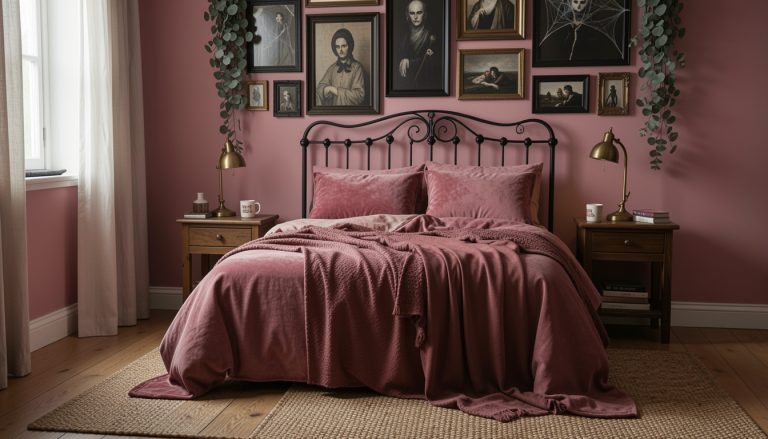
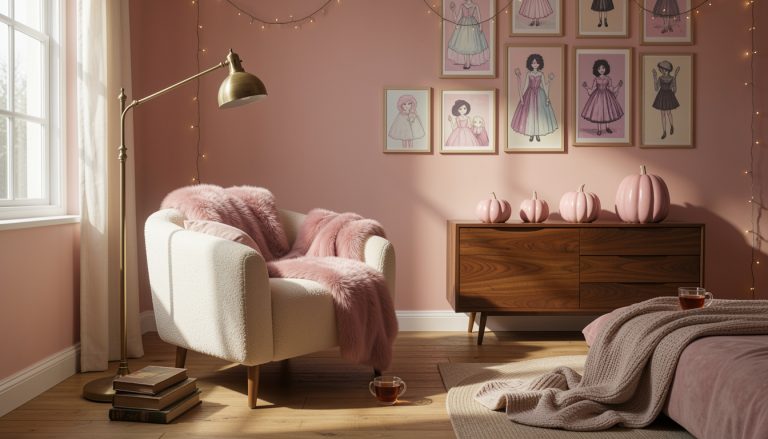
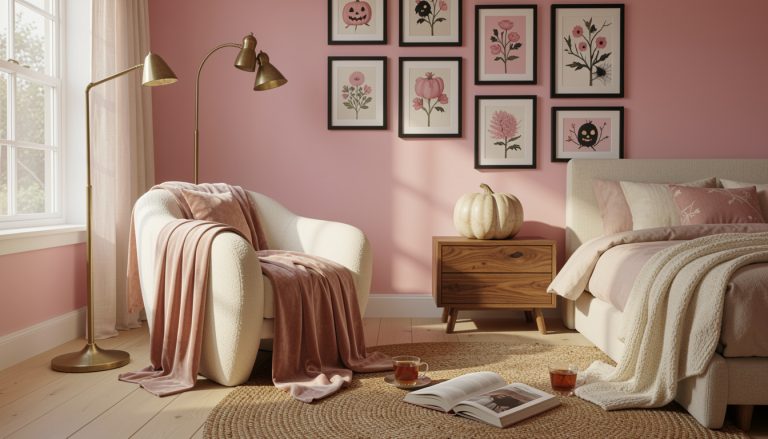
Basements are naturally sheltered and quiet. Lean into these qualities to create a cozy den. Use warm, layered lighting instead of one harsh overhead light. Choose rich, deep paint colors for the walls. Add plenty of soft textiles like blankets and pillows. This approach makes the room feel like a hidden sanctuary. Layer your lighting with floor and table lamps for a soft glow. A budget-friendly move is to shop for second-hand lamps and give them new shades.
3. Waterproofing: Your First and Most Important Step


Nothing ruins a basement bedroom faster than dampness or water. Before you paint or buy furniture, address moisture. Check for cracks in the walls and floor. Seal them with hydraulic cement. Consider installing an interior drainage system if you have recurring dampness. This protects your investment and keeps the air healthy. Fix any cracks first to prevent future problems. A DIY solution is to apply a waterproofing sealant to interior walls for an extra layer of protection.
4. Luxury Vinyl Plank for Style and Spills


LVP is a perfect basement flooring. It is completely waterproof and durable. It stands up to potential spills or moisture from a dehumidifier. Modern LVP looks incredibly real, mimicking wood or stone. It is also comfortable underfoot and easy to clean. This flooring handles moisture well. For a budget-friendly install, look for LVP with a click-lock system. You can often install it yourself right over the concrete subfloor.
5. Area Rugs to Warm Up the Concrete


Even with great flooring, a rug adds instant warmth. It provides a soft surface for bare feet first thing in the morning. A large rug also helps define the sleeping area. Choose a low-pile or indoor-outdoor rug for easy maintenance. This adds a layer of comfort and style. Define the sleeping zone with a rug placed under the bed. A DIY tip is to use a rug pad underneath. It makes any rug feel plusher and prevents slipping.
6. Brighten the Depths with Recessed Lighting


Basements often lack natural light. Recessed lights are a clean solution. They are installed flush with the ceiling, saving headroom. Place them evenly throughout the room to eliminate dark corners. Put them on a dimmer switch to control the ambiance. This creates a bright, open feel. Put lights on a dimmer for flexible mood lighting. A budget-friendly idea is to install retrofit LED recessed lights. They fit into existing holes and are energy-efficient.
7. Strategic Mirrors to Multiply Light & Space


Mirrors are a powerful tool in a basement. They reflect both natural and artificial light, making the room brighter. A large mirror also creates the illusion of more space. Lean a tall mirror against a wall or hang one opposite a lamp. This simple trick has a big visual impact. Reflect your light sources to brighten dark corners. A DIY project is to find an old mirror at a thrift store and paint the frame a fresh color.
8. Create a Focal Point with an Accent Wall


An accent wall draws the eye and adds personality. It gives the room a defined center. You can use paint, wallpaper, or wood paneling. Place it behind the bed to frame the sleeping area. This adds depth and interest without overwhelming the space. Frame your bed with an accent wall. A budget-friendly option is to use removable wallpaper. It is easy to apply and change later if you want a new look.
9. Go Bold with Dark & Moody Paint Colors


Do not be afraid of dark colors in a basement. Deep shades like navy, charcoal, or forest green can feel incredibly cozy. They make the room feel enclosed and secure, like a luxury hotel room. With good lighting, these colors are dramatic and comforting. Dark walls can feel cozy and rich. A DIY tip is to test paint samples on a large board. See how the color looks in your basement’s specific light before committing.
10. Built-In Bunk Beds for Family & Friends


Built-in bunks are a smart use of vertical space. They are perfect for hosting multiple children or friends. You can build them into a nook or against a wall. Include features like reading lights and small shelves for each bunk. This creates a fun and efficient sleeping solution. Maximize your vertical space. For a budget version, use sturdy, store-bought bunk beds and build a simple frame around them to create a built-in look.
11. The Space-Saving Murphy Bed Solution


A Murphy bed folds up into the wall. This clears the floor space for other uses during the day. The room can be a home office, gym, or playroom. When guests arrive, you simply pull down a comfortable bed. Gain a dual-purpose room with this single piece of furniture. Many companies offer DIY Murphy bed kits that you can assemble and install yourself, saving on custom cabinetry costs.
12. A Sleeper Sofa for Dual-Purpose Function


A sleeper sofa is a simpler alternative to a Murphy bed. It works as a comfortable couch for daily life. At night, it easily converts into a bed for guests. Look for a quality mattress mechanism for a good night’s sleep. This is a flexible and practical choice. Choose a comfortable everyday sofa that also works for guests. A budget tip is to check furniture outlet stores for floor models or last season’s styles.
13. Define Zones with Creative Room Dividers


In an open basement, you might need to create a separate bedroom area. Room dividers can do this without building a wall. Use a tall bookshelf, a folding screen, or even a curtain. This gives guests a sense of privacy and defines their space. Create privacy without a permanent wall. A DIY project is to hang a curtain rod from the ceiling and use heavy drapes to section off the sleeping nook.
14. Climate Control for Year-Round Comfort


Basements can be cooler in winter and stuffy in summer. Make sure your guests can control their own comfort. A portable heater provides quick warmth. A fan or small AC unit helps on warmer days. Ensure your basement’s HVAC vents are open and unblocked. Give guests control over their temperature. A budget-friendly buy is a ceramic space heater with a thermostat. It is safe and efficient for heating a small space.
15. Dehumidify for a Fresh, Dry Feel


A dehumidifier is essential for basement air quality. It pulls excess moisture from the air. This prevents a musty smell and protects furniture from dampness. It makes the room feel fresher and more comfortable. Look for a model with a auto-shutoff function. Run a dehumidifier to keep air fresh. For a small room, a compact, energy-efficient model is a good budget choice. Empty the tank regularly.
16. Plush Textiles to Combat the Chill


Textiles add warmth and a sense of luxury. Use a thick, fluffy duvet on the bed. Add an extra blanket at the foot. Pile on pillows in different sizes and textures. A soft rug beside the bed is a welcome touch for cold floors. Layer blankets for extra warmth. A simple DIY way to add texture is to knit or crochet a small throw blanket. It adds a personal, handmade touch.
17. A Compact Coffee & Snack Station
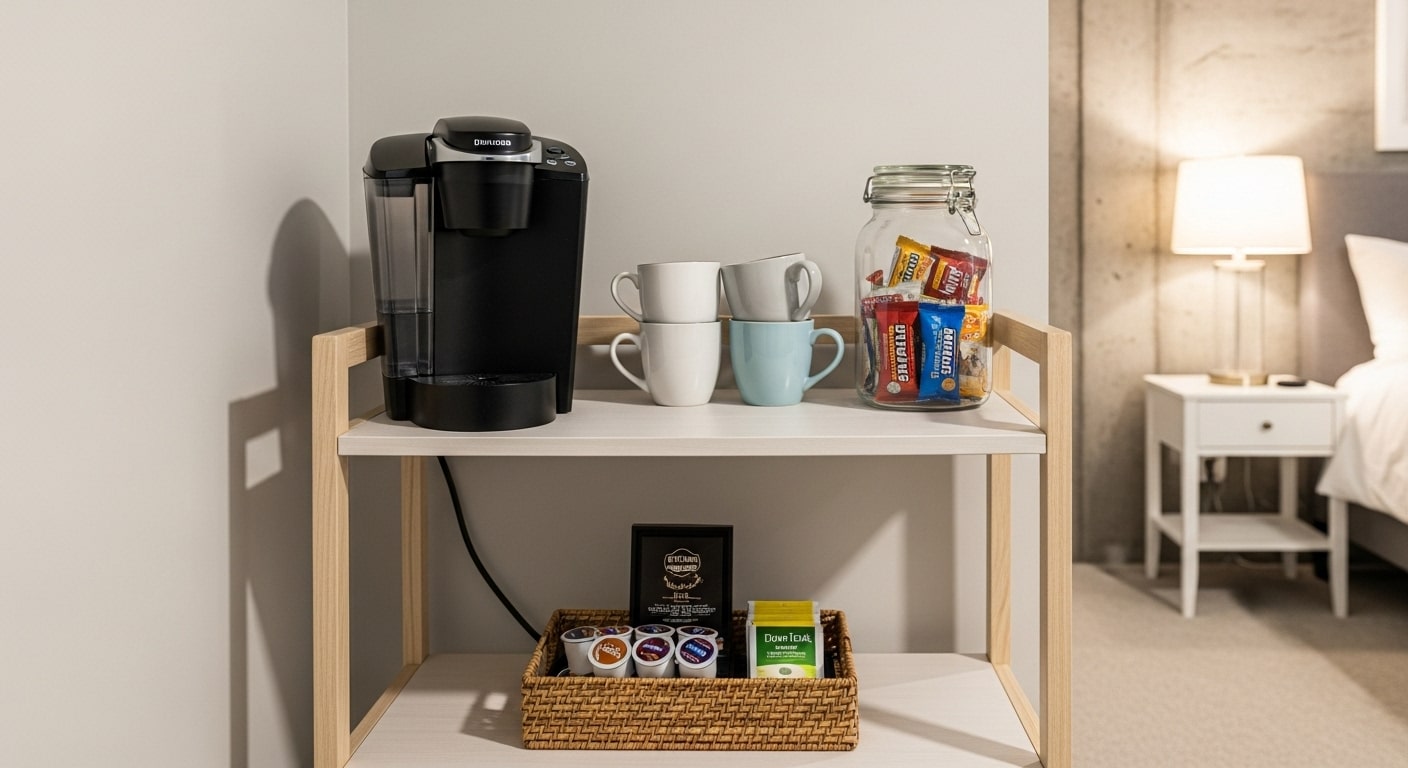

A small coffee station makes guests feel at home. They can have a morning cup without coming upstairs. Use a small cart or a dedicated shelf. Stock it with a coffee maker, mugs, tea, and some packaged snacks. This adds a hotel-like convenience. Offer a self-serve drink station. A budget-friendly option is a simple electric kettle and a French press. It takes up very little space and is easy to use.
18. Add Character with Exposed Brick or Pipes


Do not hide all the basement’s original features. Exposed brick or painted pipes can add industrial charm. They give the room character and a sense of history. Just make sure the surfaces are clean and stable. This design choice is free if your basement already has these elements. Embrace the existing architecture. A DIY tip is to clean exposed brick with a wire brush and seal it with a clear matte sealant to prevent dust.
19. Transform a Nook into a Private Retreat


Even a small, awkward space can become a guest room. An under-stair nook or a small alcove is perfect. Fit a twin or small double bed into the space. Add a curtain for privacy and a wall-mounted light for reading. This creates a cozy, capsule-like bedroom. Use every inch of available space. A budget-friendly idea is to use a simple tension rod and a curtain to create a private doorway for the nook.
20. Your Go-To Basement Bedroom Checklist


Before your guests arrive, run through this list. Check for moisture with a meter. Test all the lights. Make sure the bed has clean linens and extra pillows. Stock the coffee station. Leave out an extra blanket. Confirm the room temperature is comfortable. Do a final comfort check. A simple DIY is to create a printed checklist and keep it in a drawer. You will never forget an important detail.
Start with one or two of these ideas. Maybe paint an accent wall or add a cozy rug. Small changes can make a big difference in creating a welcoming space for your guests. Your basement can become a favorite spot for visitors to stay.