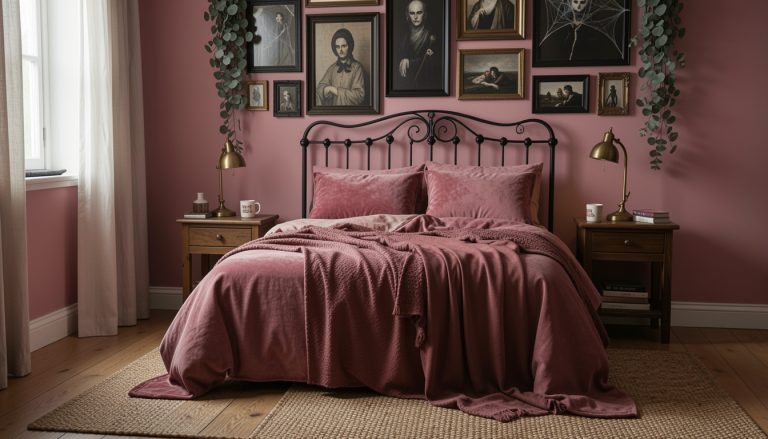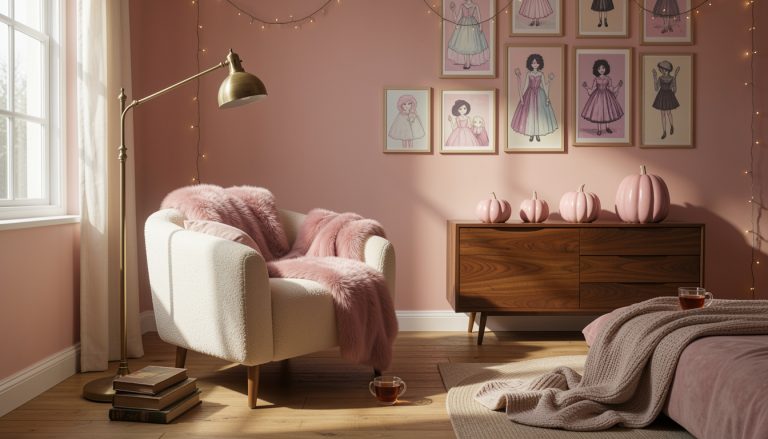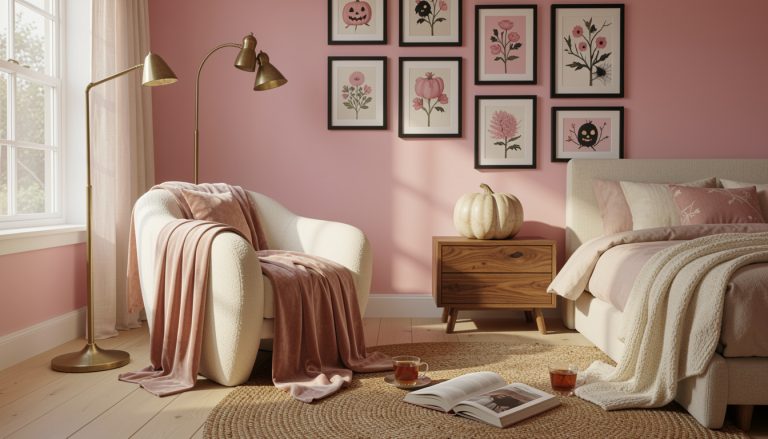






Layered bedroom curtains add depth and character to your space. They combine different fabrics and styles for a custom look. This approach gives you control over light and privacy. It also makes a room feel complete. You can mix affordable pieces for a high-end effect. Start with a simple sheer and blackout pair. This foundation works for any bedroom style.
1. The Layered Look: An Introduction


Layered curtains use two or more types of window treatments together. This creates a rich, custom look. Think of it like dressing your window in multiple pieces. A common start is a light-filtering layer under a room-darkening one. This gives you style and function in one setup. Start with a simple pair to see how layers work. You can use a tension rod inside the window frame for a sheer layer. This is a budget-friendly way to test the look.
2. Why Layer Your Bedroom Curtains?


Layering solves multiple problems at once. It gives you precise light control. You can have soft light with sheers or total darkness with blackouts. It also adds insulation, helping to keep a room warm or cool. The look is more professional and expensive. Layering adds texture and depth that a single curtain cannot. For a quick update, layer an old sheer curtain with a new, heavier one from a discount store. This is a smart way to refresh your space.
3. Sheer & Blackout: The Ultimate Duo
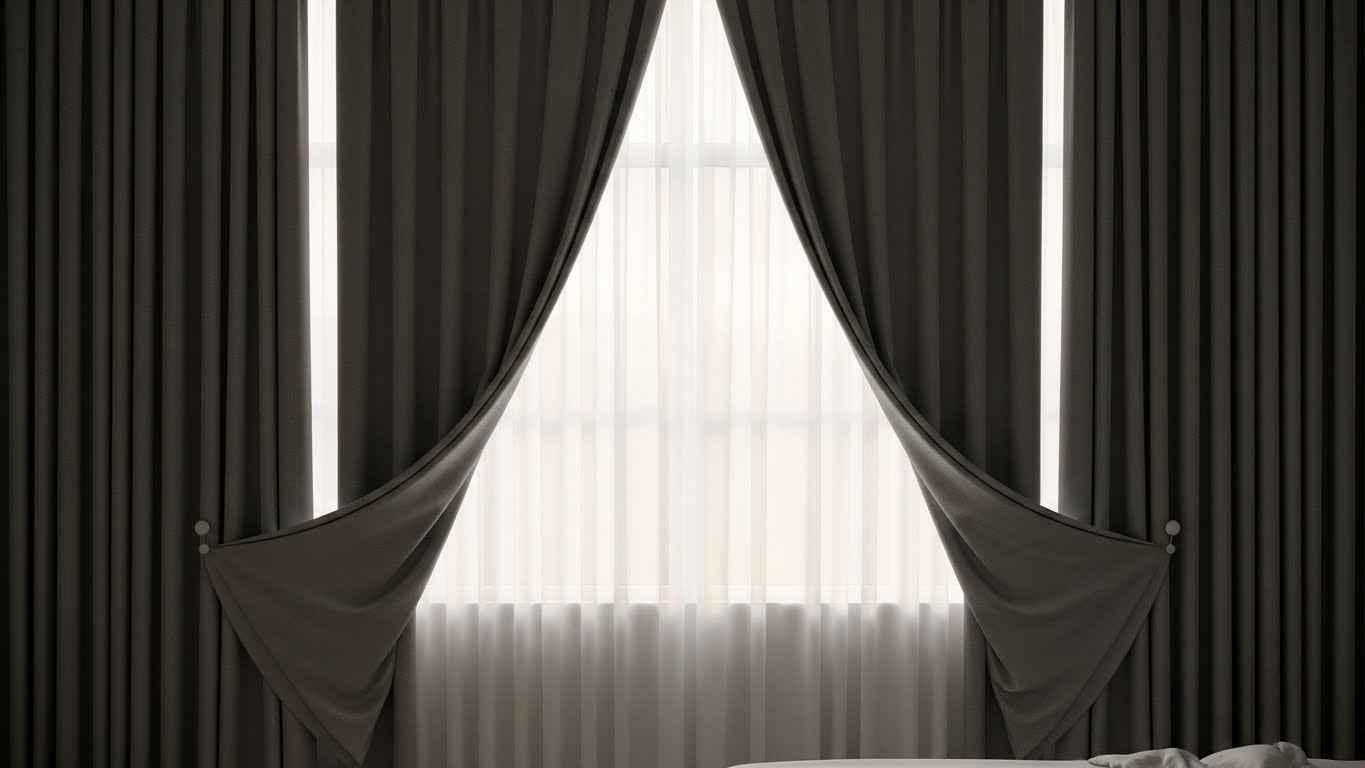

This combination is the most practical. Sheers let in soft light during the day while maintaining privacy. Blackout panels block light for sleeping in. Together, they make your bedroom functional at all hours. This duo works for any schedule. Hang the sheers on an inner rod and the blackouts on an outer one. You can find basic blackout liners and clip them to your existing curtain rings. This is a simple DIY project.
4. Double Rods for a Polished Finish


Double rods are the best tool for layered curtains. They hold two sets of curtains neatly. This keeps each layer distinct and functional. The look is tidy and intentional. You can find affordable double rod sets at most home stores. Measure your window width first to get the right size. For a custom look without the cost, use two single rods mounted at different distances from the wall. This creates the same effect.
5. Textured Weaves & Smooth Silks


Mixing textures makes your window treatment interesting. A rough, woven fabric paired with a smooth silk creates contrast. This adds visual weight and comfort to the room. You don’t need real silk; many synthetic fabrics have a similar sheen. Contrasting textures add visual interest. Look for textured fabric remnants to make a simple valance or tie-back. Pair it with a smooth curtain you already own. This is a budget-friendly way to experiment.
6. Patterned Over Solid: A Dynamic Pair


Pairing a pattern with a solid is a safe way to add personality. The solid layer grounds the look. The pattern adds a focal point. This works well if your bedding and walls are simple. Let the pattern be the star. If you’re nervous about bold patterns, start with a small patterned valance over solid panels. You can often find discounted patterned fabric to create this yourself.
7. Monochromatic Layering Magic
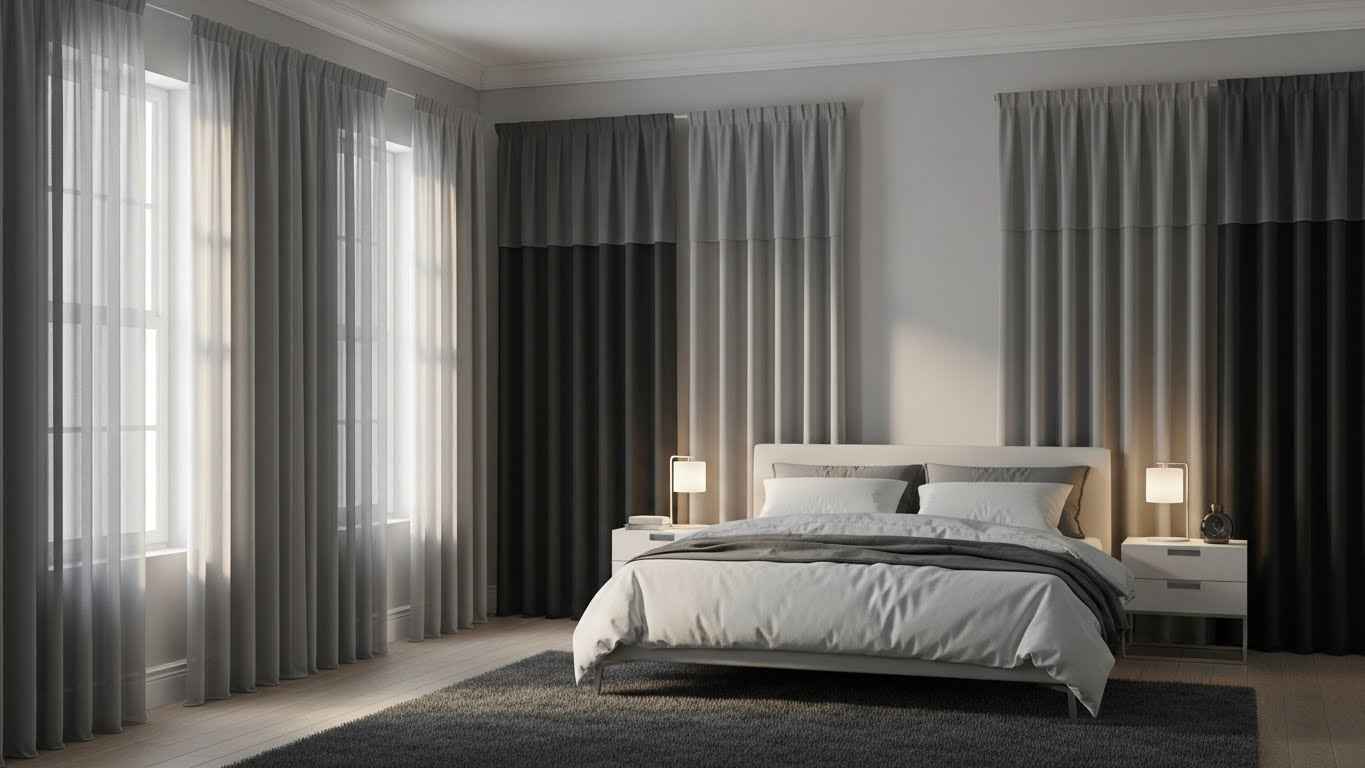

Using one color family creates a serene, pulled-together look. Different shades and textures of the same color add depth. This approach feels modern and elegant. It is also very easy to get right. Stick to one color family for a harmonious effect. You can build this look by dyeing old white curtains to create matching shades. Fabric dye is an inexpensive way to create a custom color set.
8. Layering with Roman Shades


Roman shades offer a clean, built-in look. Layering curtains over them softens the window and adds warmth. The shade handles privacy and light control. The curtains add style and softness. This is a great option for a more formal bedroom. Combine structure with softness. You can make a no-sew Roman shade from a flat weave blanket and basic hardware. Pair it with ready-made curtains for a high-end look on a budget.
9. Luxurious Velvet & Airy Linen


Velvet adds weight and luxury. Linen brings a light, casual feel. Together, they balance opulence and ease. This is perfect for a bedroom that feels both cozy and airy. Velvet also has great insulating properties. Balance heavy and light fabrics. Look for velvet curtains at thrift stores or during seasonal sales. You can often find linen-like fabrics at a lower cost that give the same airy effect.
10. Layering for Small Bedroom Windows


In a small room, layers can make a window feel bigger. Hang the curtain rod wider than the window frame. Let the curtains stack on the wall, not the glass. Use lighter fabrics to avoid a heavy look. Hang curtains high and wide. A short tension rod inside the frame for sheers and a longer rod on the wall for panels can create this illusion without major installation.
11. Floor-to-Ceiling Layered Drama
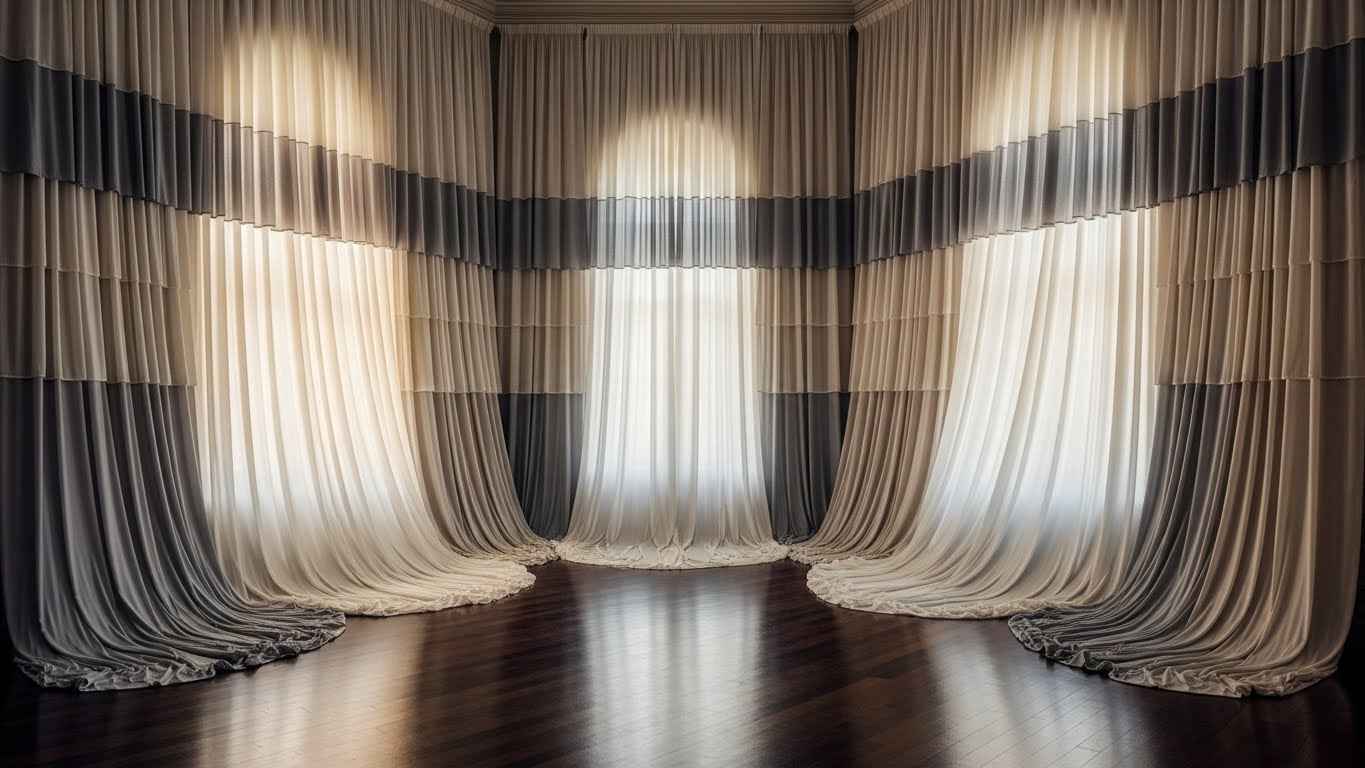

Floor-to-ceiling curtains add instant drama. They draw the eye upward, making the room feel larger. This works especially well in rooms with low ceilings. The extra fabric feels luxurious and softens the entire wall. Create a sense of height. You don’t need custom-length curtains. Buy panels that are too long and use iron-on hem tape to adjust the length perfectly. This is a simple DIY alteration.
12. Color-Blocked Curtain Layers
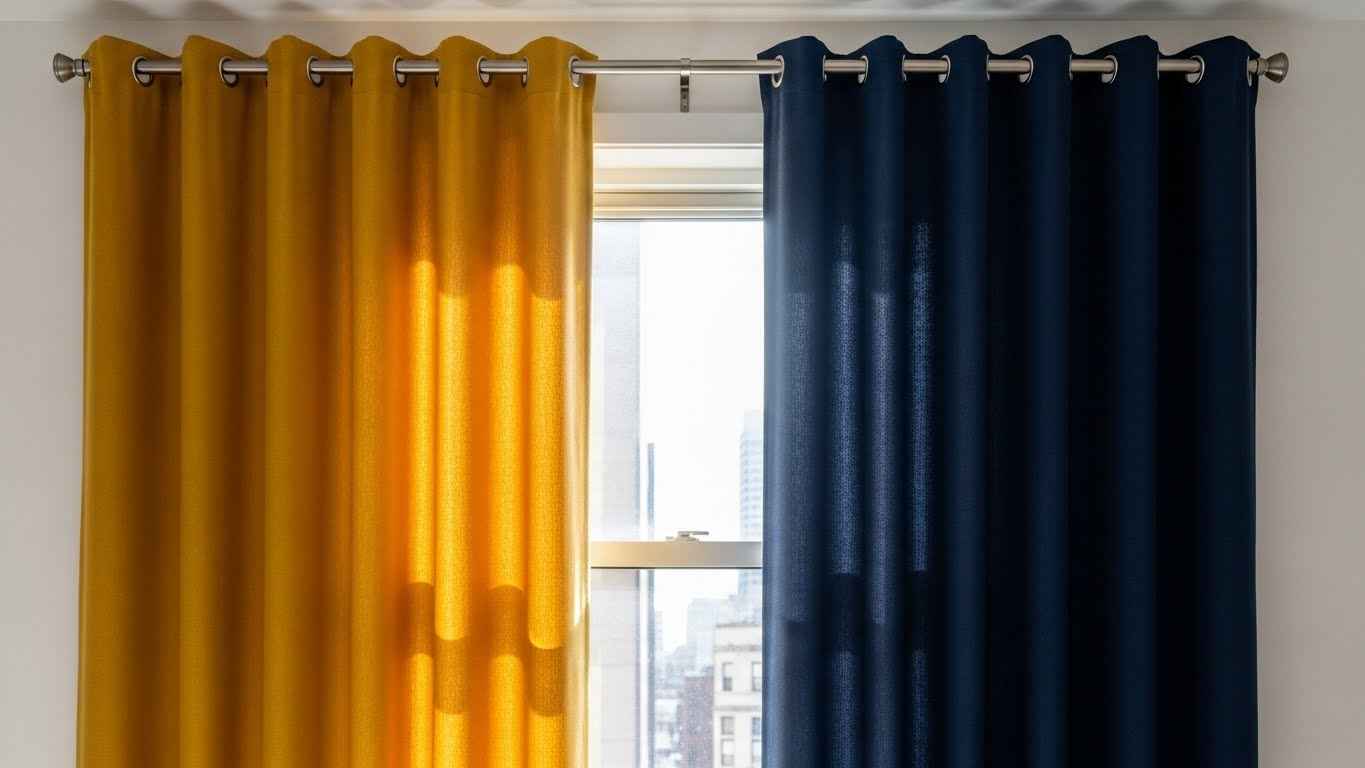

Color blocking uses solid blocks of color for a modern effect. You can use two different colored panels on the same rod. Or use a colored layer over a neutral one. This is a bold way to add color without painting. Make a bold statement with color. Use fabric paint to add a block of color to the bottom of plain white curtains. This is a low-cost, low-commitment way to try the trend.
13. Top Treatments & Valances
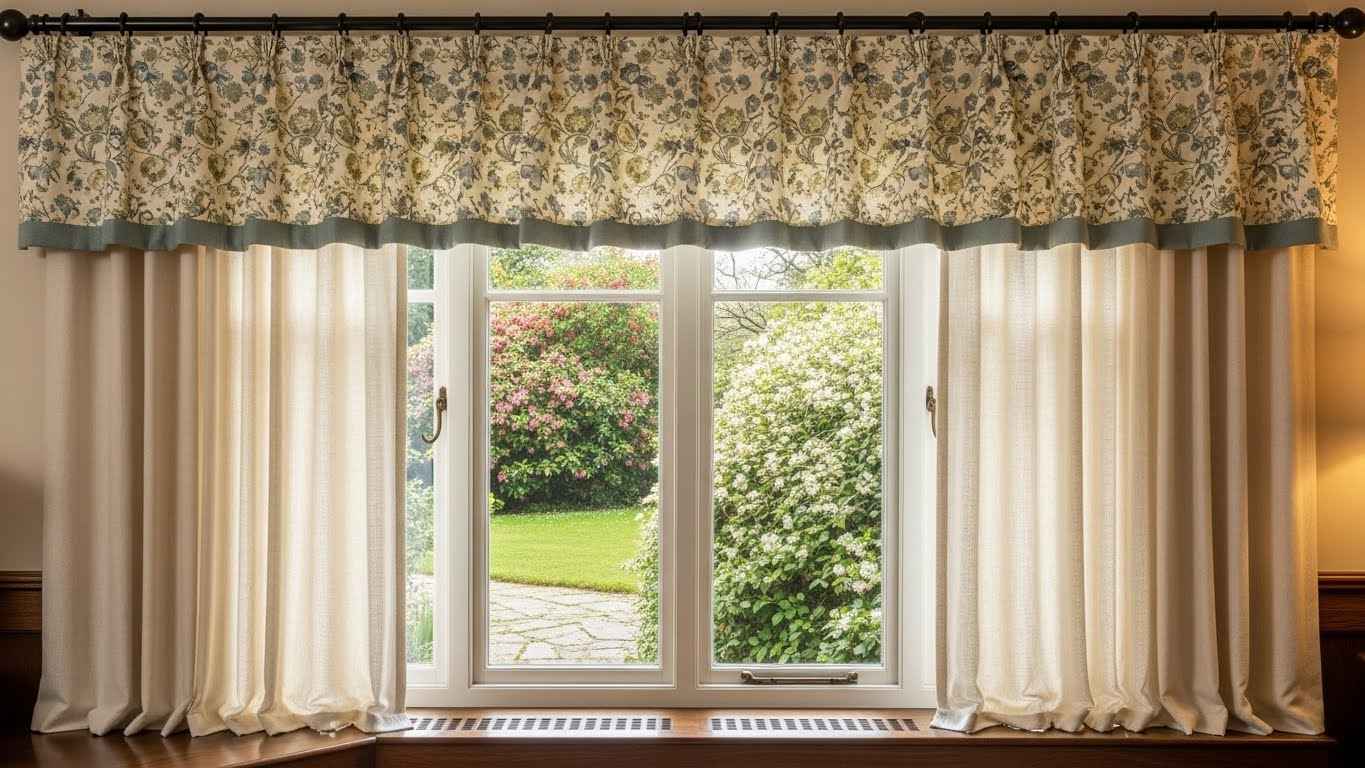

A valance or cornice board gives a layered look a completed feel. It hides the curtain rods and hardware. It also adds another point of visual interest at the top of the window. This is common in more traditional decor. Finish the look at the top. You can create a valance by stapling fabric to a simple piece of wood. Mount it above your curtain rod for a custom touch.
14. Tying Back Your Layers


Tiebacks hold your curtains open in an attractive way. They let you show off the layers and allow more light into the room. You can use matching fabric, rope, or metal hooks. This is both functional and decorative. Use tiebacks to frame your view. Make your own tiebacks from old belts or thick ribbon. This is a quick DIY project that adds a personal touch.
15. Layering with Natural Woven Shades


Natural materials like bamboo, rattan, or grasscloth add texture. Layering curtains over these shades softens their structured look. It combines natural elements with soft fabric for a balanced feel. This is ideal for a relaxed, earthy bedroom style. Add organic texture to your layers. Woven blinds are often inexpensive. Pair one with curtains you already have to instantly update your room’s vibe.
16. Motorized Layered Curtains
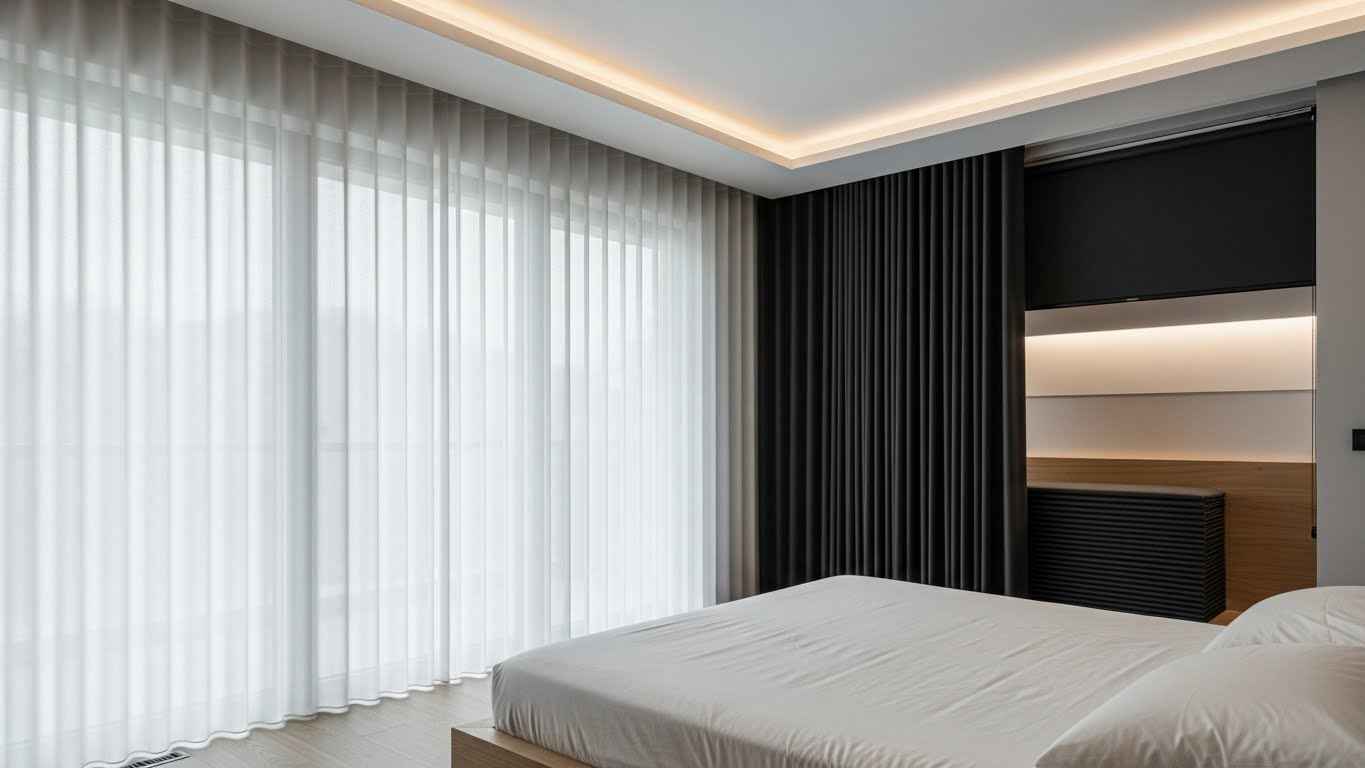

Motorization adds convenience to layered curtains. You can control each layer separately with a remote or smart device. This is perfect for hard-to-reach windows or for creating specific lighting scenes. It makes daily use effortless. Automate your light control. You can retrofit existing curtains with an after-market motorized rod kit. This is more affordable than a full custom system.
17. Layering in a Minimalist Bedroom


In a minimalist space, layers should be clean and simple. Stick to one or two neutral colors. Use fabrics with subtle texture instead of bold patterns. The goal is to add depth without adding visual noise. Keep it simple and textured. Use a single double rod with two sets of identical, plain curtains in slightly different shades. This creates subtle layering that fits the minimalist ethos.
18. Boho-Chic Layered Textiles


Boho style embraces mixing patterns and textiles. Don’t be afraid to combine a printed curtain with a macramé piece or a tapestry. The key is a cohesive color palette that ties everything together. This creates a personal, global-inspired look. Mix patterns with a common color thread. Use scarves or fabric scraps to create unique curtain tiebacks or valances. This is a very budget-friendly way to add boho flair.
19. Creating a Cozy, Layered Nook
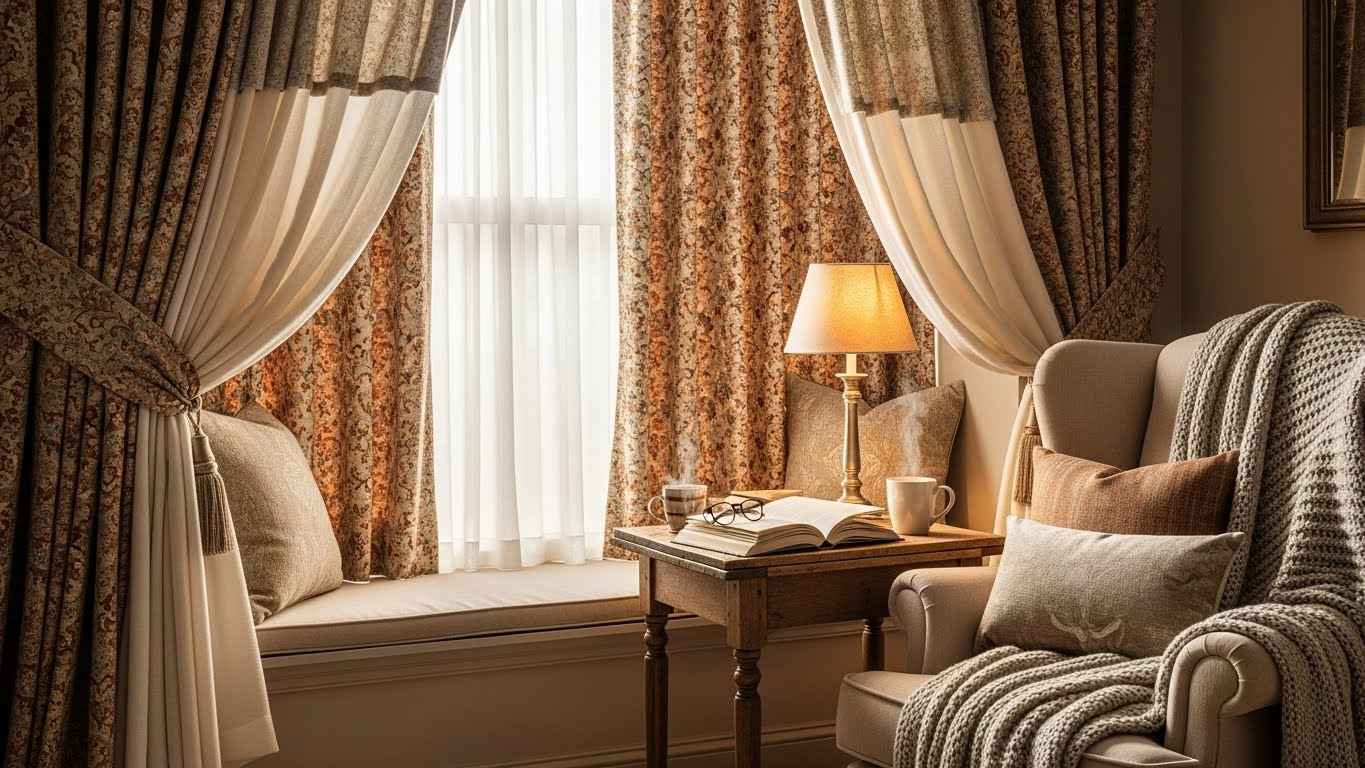

Use layered curtains to define a cozy corner. Hang them around a window seat or reading chair. This makes a small space within your bedroom feel special and enclosed. Choose soft, heavy fabrics to enhance the cozy feeling. Define a cozy corner with fabric. You can use a ceiling-mounted curtain track to easily circle a nook with curtains. A simple wire and clip system is a low-cost option.
20. Layering for Light Control & Privacy


This is the core function of layering. Use sheers for daytime privacy when you still want light. Use blackouts for nighttime darkness and total privacy. Having both options means your bedroom always feels comfortable. Control light and privacy separately. If blackout curtains are too costly, line your existing curtains with blackout fabric using fabric glue. This is an effective DIY solution.
21. Mixing Metallic Accents & Tassels
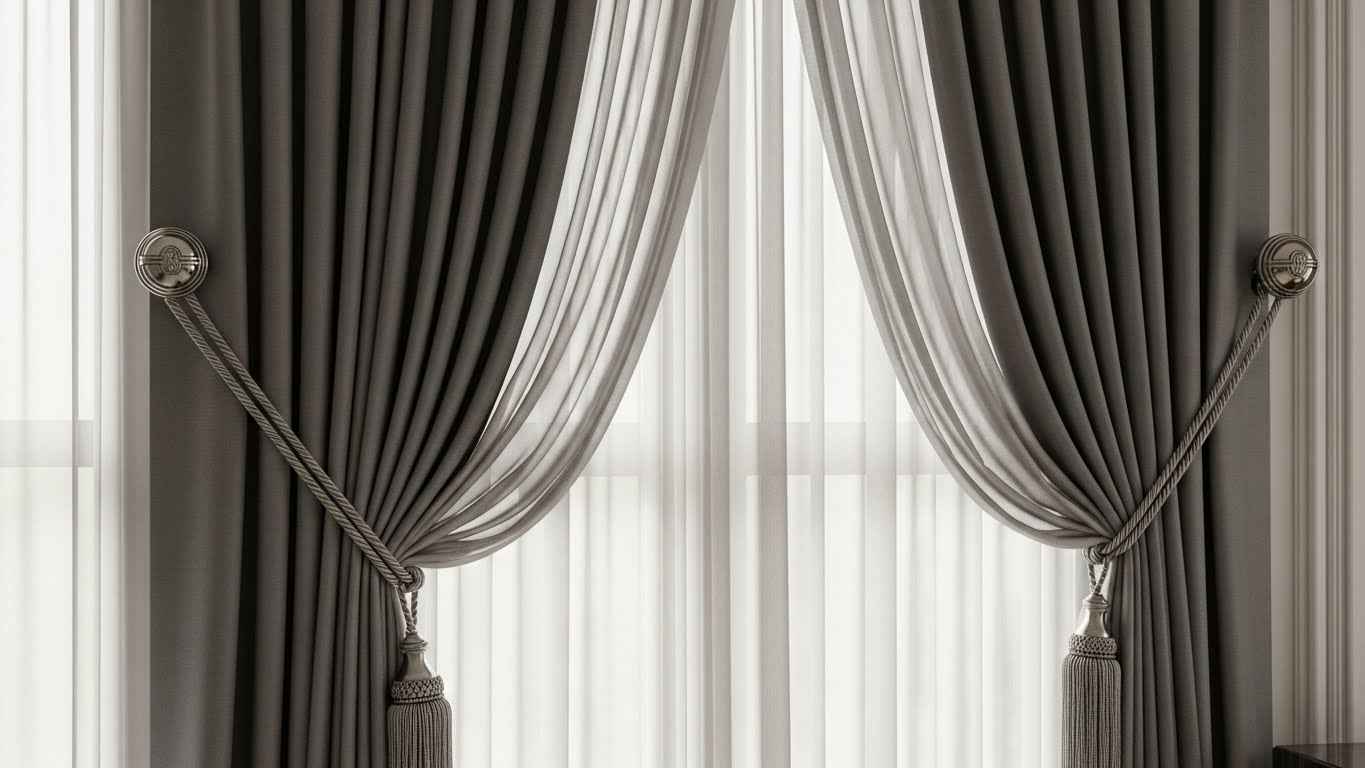

Small details make a big difference. Metallic curtain rings or tassel tiebacks add a hint of shine. They draw the eye and make the whole setup feel more designed. Keep the main fabrics simple to let the accents stand out. Add sparkle with small accents. Spray paint plain wooden curtain rings with a metallic paint for a custom look. This is a very affordable upgrade.
22. Layered Curtains for Bay Windows


Bay windows can be tricky. Treat each window individually with its own layers. Use a double rod on each section for consistency. This honors the architecture while providing full functionality. Treat each bay window section separately. Use multiple double rods that can be angled to fit the bay. Standard rods can often be adjusted to fit, saving you from expensive custom orders.
23. The Budget-Friendly Layering Guide
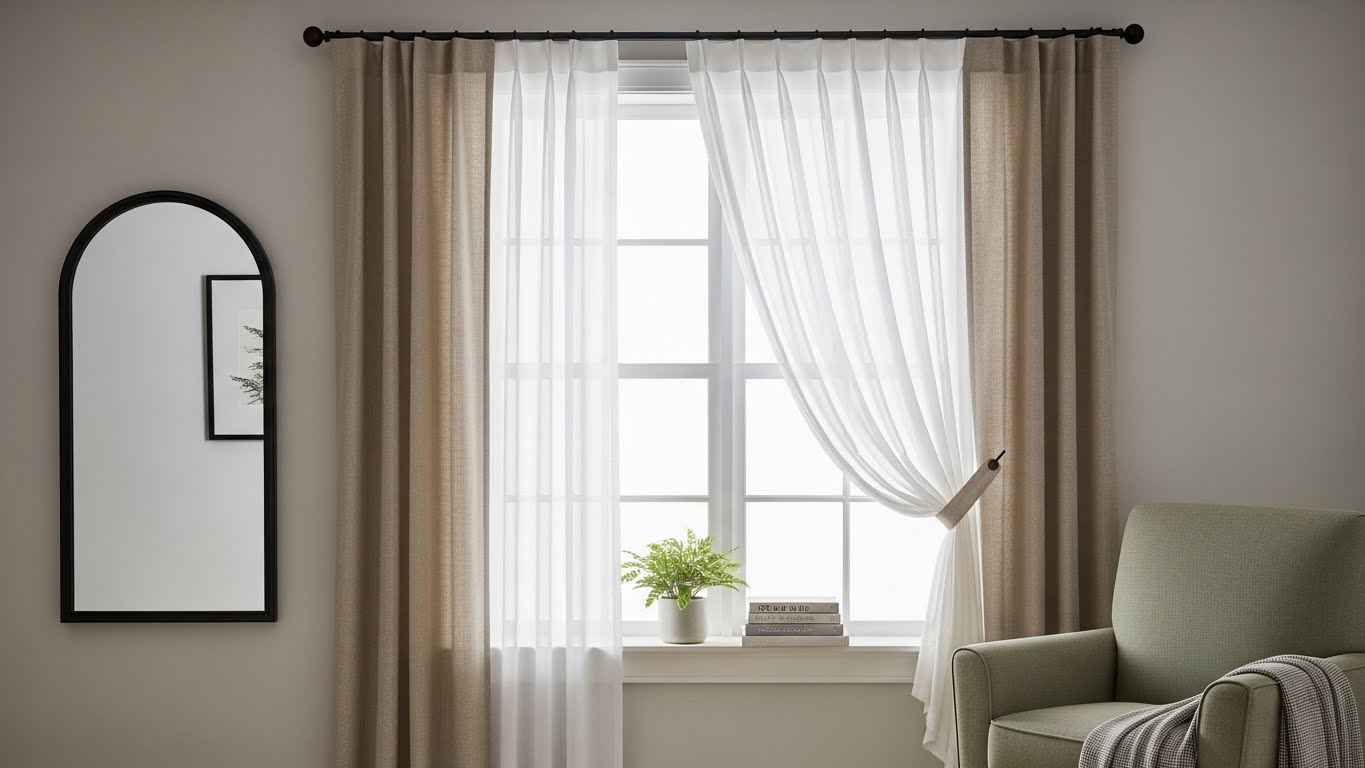

You don’t need a big budget for layered curtains. Shop sales for basic sheers and blackout liners. Use two single rods instead of a double rod. Look for curtains at thrift stores and dye them to match. Smart shopping creates the look for less. The most important thing is proper hanging. Curtains that are hung high and wide always look more expensive, regardless of their cost.
24. Your Layered Curtain Maintenance Checklist


Keep your layered curtains looking their best. Vacuum them with a brush attachment monthly to remove dust. Check the care labels; many sheers and liners can be machine washed. Spot clean heavier panels. Rotate panels if they are in direct sunlight to prevent fading. Regular care keeps them fresh. You can refresh wrinkled sheers by tossing them in the dryer on a no-heat setting with a damp towel. This is a quick DIY steaming method.
Layering your bedroom curtains is a simple change with a big visual payoff. Start with one window. Try a sheer panel behind your current curtains. See how it changes the light and feel of the room. Small steps can build your confidence and help you create a space that is both beautiful and perfectly suited to how you live.