


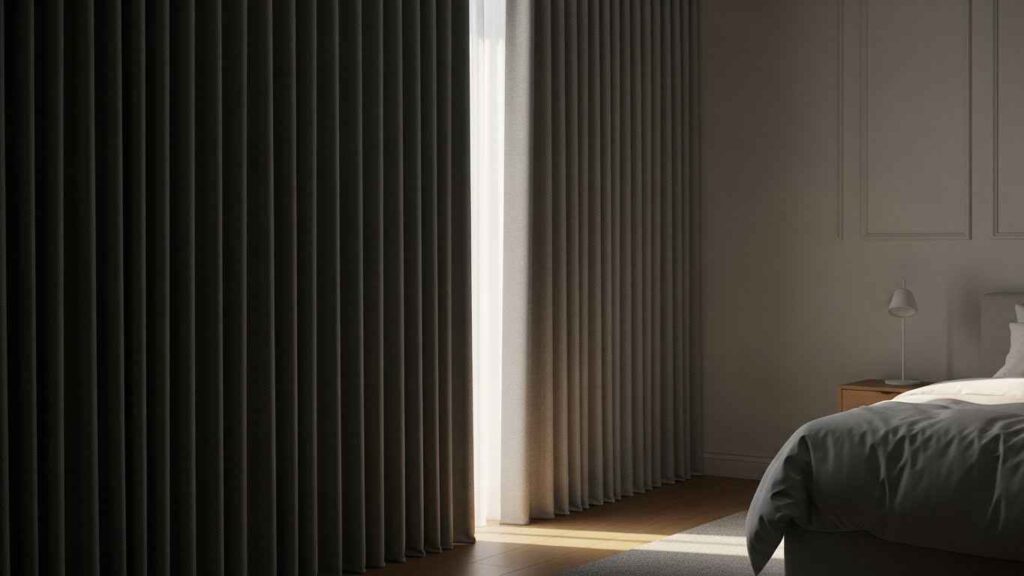

A good night’s sleep can feel out of reach with noisy streets or early sun. Sound-proof bedroom curtains offer a simple fix. These are not ordinary curtains. They are made with dense, heavy materials designed to absorb sound and block light. This guide will help you find the right set to turn your bedroom into a quiet, dark sanctuary for rest.
1. The Ultimate Sound-Proof Bedroom Curtains Guide


Sound-proof curtains are a practical upgrade for any bedroom. They use mass and density to dampen noise. The heavier the fabric, the more sound it can stop. Look for multiple layers or a thermal lining. This adds weight and improves performance. For a budget-friendly test, try hanging a heavy moving blanket behind your current curtains. It is a temporary fix that shows how extra layers work. Choose the right weight for your space to see a real change.
2. How Sound-Proof Bedroom Curtains Work


These curtains work by creating a physical barrier. Sound waves lose energy when they try to pass through thick, dense materials. The fabric absorbs the vibrations, reducing the noise that enters your room. It is not about making a room completely silent, but about reducing outside disturbances. A simple DIY tip is to ensure your curtains extend well beyond the window frame. This prevents sound from leaking around the edges. Seal the gaps for the best results.
3. Top Benefits of Sound-Proof Bedroom Curtains


The main benefit is better sleep. By cutting down noise and light, these curtains help you fall asleep faster and stay asleep. They also help with temperature control. The thick fabric acts as insulation, keeping a room warmer in winter and cooler in summer. This can lower your energy bills. Save on energy costs while you sleep. They also provide more privacy than thin curtains. You get a darker, quieter, and more private space.
4. What to Look For in Sound-Proof Bedroom Curtains


Focus on material weight and density. The grams per square meter (GSM) is a good indicator. A higher GSM means a heavier, more effective curtain. Look for a tight weave and multiple layers. A thermal or blackout lining is a major plus. Also, check the curtain’s width. It should be wider than your window to allow for full, overlapping coverage when closed. Measure your window and buy a size up.
5. Our Top Pick: Best Overall Sound-Proof Bedroom Curtains


For a balance of performance, style, and value, we recommend a triple-weave velvet curtain. This style is dense, effectively blocks light, and has a modern feel. It is a versatile choice that works in most decors. The thick pile of velvet naturally absorbs sound. For a budget-friendly alternative, look for polyester curtains that mimic the weight and texture of velvet. Layered fabrics work best for all-around performance.
6. Best Blackout Sound-Proof Bedroom Curtains


These curtains are for those who need total darkness. They combine sound-absorbing mass with a special blackout coating. This coating is often a layer of acrylic foam on the fabric’s back. It blocks nearly all incoming light. This is ideal for daytime sleepers or street-lit areas. To improve your current curtains, add a separate blackout liner. This is a cheaper way to upgrade without buying all new window treatments.
7. Best Budget-Friendly Sound-Proof Bedroom Curtains


You do not need to spend a lot. Many polyester or cotton blends offer great sound reduction at a lower price. Look for sales at major home goods stores. A smart DIY approach is to buy basic blackout curtains and sew on additional fabric layers yourself. This adds mass for less money. Check the product’s weight specification to ensure you are getting a substantial fabric.
8. Best Luxury Sound-Proof Bedroom Curtains


For a premium option, consider custom-made curtains from heavy materials like wool or thick, lined linen. These are often hand-finished and made to your exact measurements. The fit and coverage are perfect, which maximizes their sound-proofing effect. While an investment, they can last for decades. Look for interlined curtains, which have a layer of batting sewn between the face fabric and lining for superior performance.
9. Best Thermal Insulating Sound-Proof Bedroom Curtains


These curtains do double duty. They have a special thermal lining that helps regulate room temperature. This lining, often made of foam or multiple fabric layers, traps air. This trapped air acts as a barrier for both temperature and sound. They are perfect for rooms with old, drafty windows. You will notice a quieter and more comfortable room. Reduce drafts and noise with one product.
10. Best Modern Style Sound-Proof Bedroom Curtains


Modern style focuses on clean lines and subtle textures. Look for curtains in neutral tones with a slight weave pattern. Materials like heavy cotton, linen blends, or textured polyester work well. They provide sound dampening without looking bulky. A simple tip is to choose a color that matches your wall. This helps them blend in seamlessly while doing their job. Keep it simple and streamlined.
11. Best for Shift Workers: Sound-Proof Bedroom Curtains


Shift workers need to sleep when the sun is up. The best curtains for this combine maximum blackout with high sound absorption. Velvet or suedecloth with a blackout backing is ideal. The goal is to mimic nighttime. Ensure the curtains have a tight seal at the top and sides. Use magnetic strips or Velcro along the edges to attach the curtain to the wall for total light block.
12. Best for City Dwellers: Sound-Proof Bedroom Curtains


City noise is constant. You need curtains with the highest possible mass. Look for the heaviest GSM rating you can find. Multi-layered curtains with a foam core are very effective against traffic and siren sounds. For renters, a temporary fix is to use tension rods to hang a second, heavier curtain behind your existing one. This creates a double barrier without any permanent changes.
13. Best for Light Sleepers: Sound-Proof Bedroom Curtains


Light sleepers are easily disturbed. These curtains should offer a peaceful sensory experience. Choose soft, non-rustling fabrics like velvet or flannel. They absorb sound without creating their own noise when moved. A helpful addition is a white noise machine to mask any residual sounds that the curtains cannot block. Combine sound absorption with sound masking for the best sleep.
14. Best Eco-Friendly Sound-Proof Bedroom Curtains


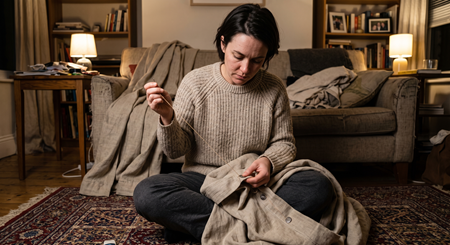
Eco-friendly options use natural or recycled materials. Look for organic cotton, hemp, or linen. These fibers are naturally dense and durable. Some brands use recycled polyester, giving plastic bottles a new life. Check for certifications like GOTS or Oeko-Tex. A green DIY idea is to upcycle old wool blankets into unique, heavy curtains. This is a creative way to add sound proofing.
15. Best Easy-Care Sound-Proof Bedroom Curtains


Machine-washable curtains save time and hassle. Many modern sound-proof curtains are made from polyester blends that are durable and easy to clean. They resist wrinkles and hold their shape well after washing. Always check the care label before you buy. For a low-maintenance tip, choose a darker color or a pattern that hides dust between cleanings. Look for machine-washable materials.
16. Best Velvet Sound-Proof Bedroom Curtains


Velvet is a top choice for sound absorption. Its dense, thick pile traps sound waves effectively. It also has excellent blackout properties. Velvet curtains add a touch of warmth and luxury to a room. They are available in many colors. To keep them looking new, vacuum them regularly with a brush attachment to prevent dust from settling into the fibers.
17. Best Linen-Look Sound-Proof Bedroom Curtains


For a lighter, airier look, linen-look curtains are perfect. They are often made from a heavy cotton-polyester blend that mimics linen’s texture but offers better sound control. They provide a softer light filter and a relaxed vibe. While not as blackout as velvet, they significantly reduce noise. They work well in living spaces or bedrooms where some ambient light is welcome.
18. Best Extra-Wide Sound-Proof Bedroom Curtains


Wide windows or sliding doors need extra-wide panels. Standard curtains often leave a gap in the center, letting in sound and light. Look for single panels wide enough to cover the entire window without a split. Alternatively, buy multiple panels and overlap them generously. Full coverage is key for effectiveness. Measure your window’s width and double it when choosing the total curtain width.
19. Best for Nursery: Sound-Proof Bedroom Curtains


A nursery needs a calm and dark environment for naps. Choose curtains made from safe, non-toxic materials. Look for certifications that guarantee the fabric is free from harmful chemicals. Blackout capabilities are essential for longer sleep. A safety tip is to mount the curtain rod high and out of reach, and ensure cords are safely tied up or use a cordless lifting system.
20. Sound-Proof Bedroom Curtains Installation Tips


Proper installation makes a big difference. Hang the rod as high as possible, close to the ceiling. Extend the rod several inches wider than the window on each side. This allows you to draw the curtains completely past the glass. Use ceiling-mounted tracks for the tightest seal. For a quick fix, add adhesive-backed Velcro to the wall and the curtain’s edge to seal light and sound leaks.
21. Sound-Proof Bedroom Curtains Care & Maintenance


To maintain their effectiveness, care for your curtains properly. Vacuum them with a brush attachment every few weeks to remove dust. Follow the manufacturer’s washing instructions. Most can be machine washed on a gentle cycle. Avoid fabric softener, as it can reduce the fabric’s sound-absorbing properties. To prevent dust buildup, give them a good shake outside every month. This keeps them fresh and functional.
Start with one room. Hang a pair of these curtains and notice the difference it makes. A quieter, darker space can help you wake up feeling more rested. It is a small change that can improve your daily life.