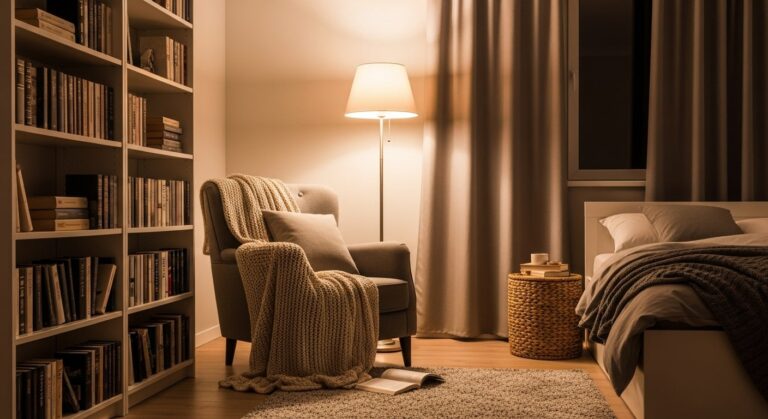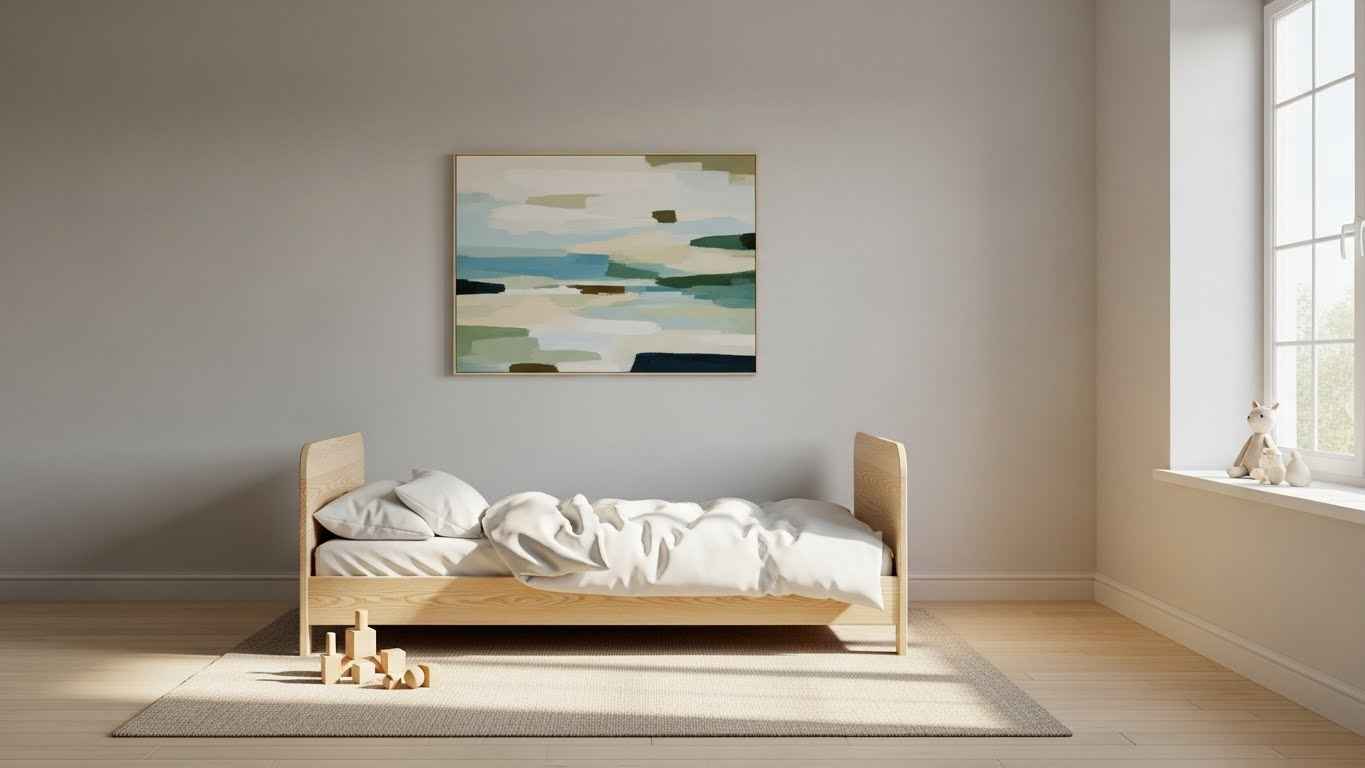
22 Minimalist Kids Room Decor Ideas That Feel Calm

Creating a calm space for your child does not require a lot of stuff. A minimalist room focuses on peace, play, and rest. It removes visual noise. This approach makes cleaning easier and helps children feel more settled. You can start with a few key changes. The goal is a room that feels open, intentional, and truly theirs.
1. The Calm Minimalist Foundation
Start with the basics: a bed, a place for clothes, and a spot for play. Remove everything else. See what the room feels like with just these items. This blank canvas helps you decide what to add back. A simple room is easier to keep tidy. It also gives your child mental space to relax and imagine. Choose furniture with clean lines to maintain a sense of order. A budget-friendly start is to remove all decor for a week and only return what you truly miss.
2. Neutral Color Palettes for Peace
Soft colors make a room feel bigger and quieter. Think whites, light grays, and gentle beiges. These shades are a calm background for your child’s colorful toys and art. They help reduce overstimulation, especially before bedtime. You do not have to repaint the entire room. Start with bedding and curtains in a neutral tone. A DIY project is to dye old, bright bedsheets a soft, natural color for a quick refresh.
3. Streamlined Low-Profile Beds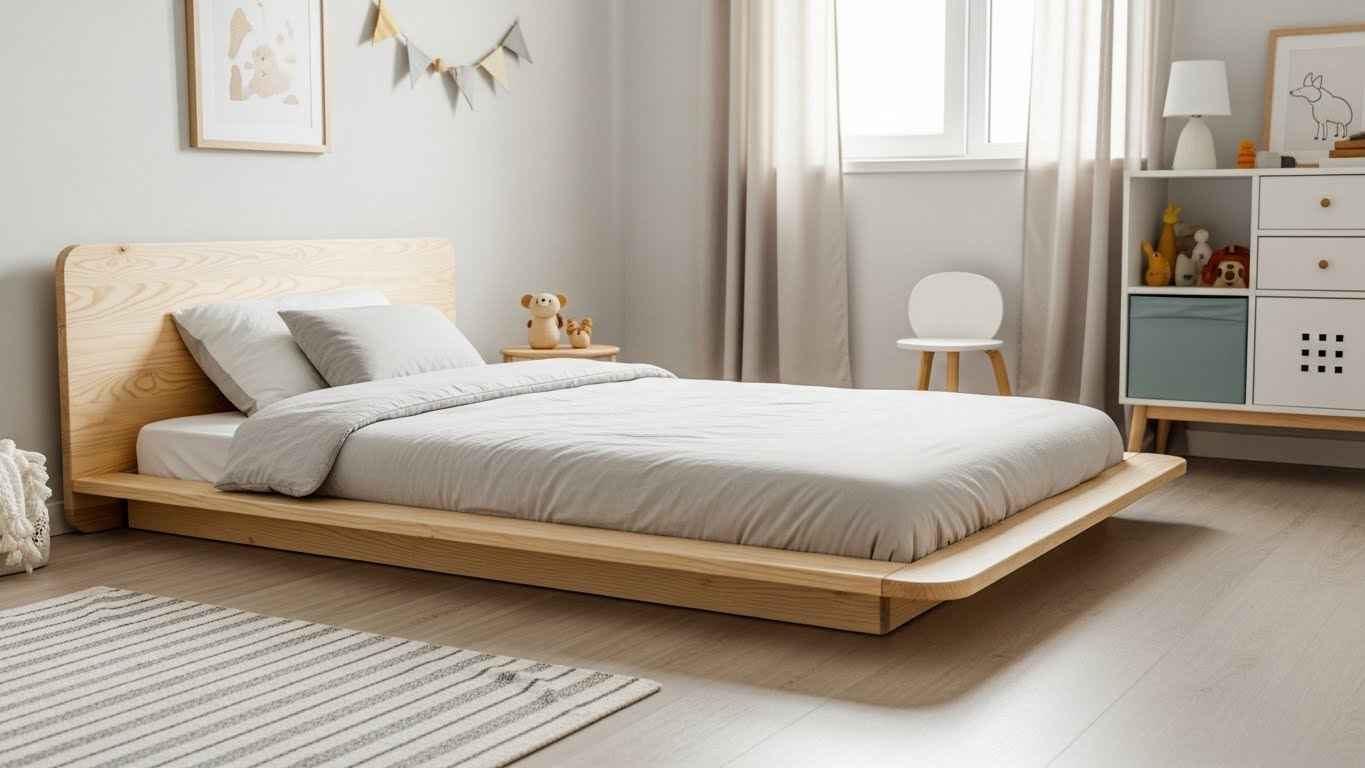
A bed close to the floor makes a room feel larger and safer. It is easy for a child to get in and out of independently. This style avoids bulky headboards and tall frames. The focus stays on rest and simplicity. Look for a simple platform bed or just a mattress on a slat base. A budget-friendly option is to use a floor mattress, which supports a montessori-style room setup.
4. Floating Shelves for Open Space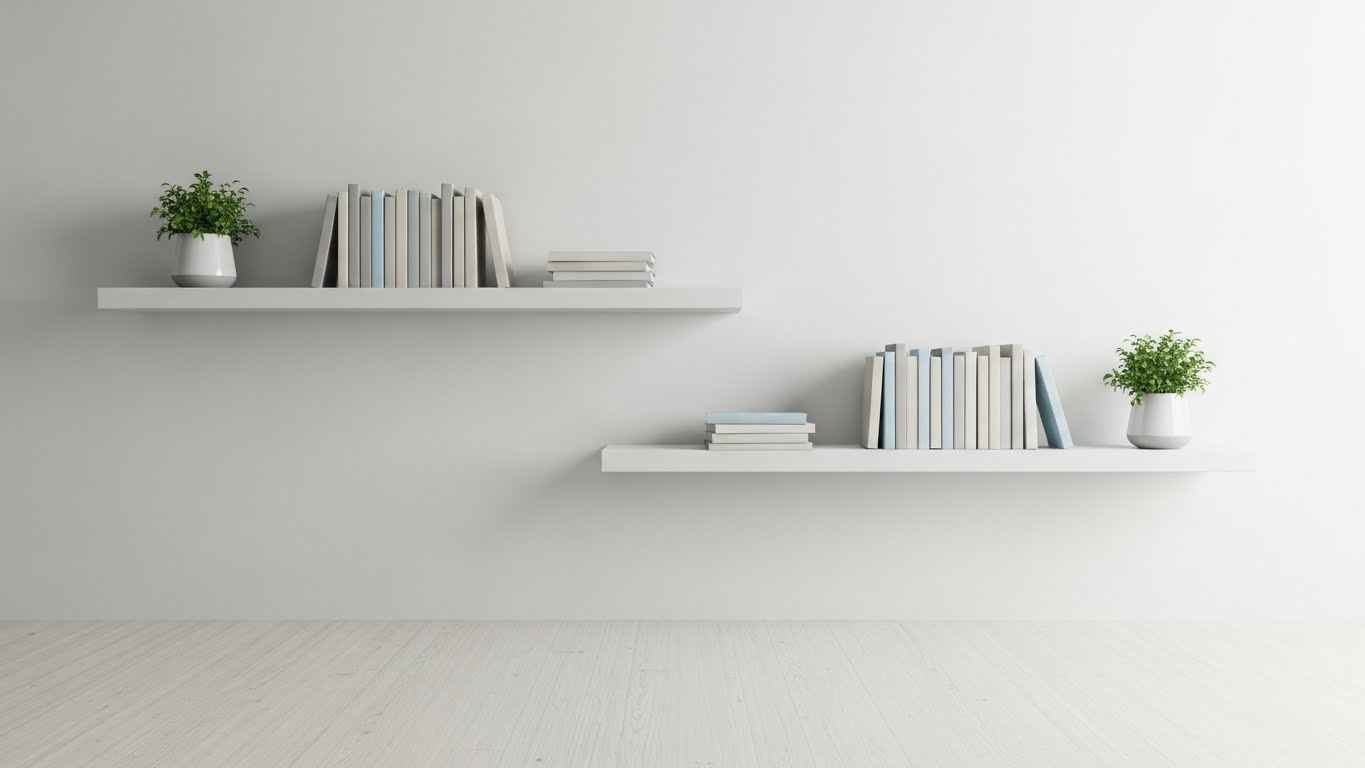
Shelves that attach directly to the wall keep the floor space open. This creates a lighter, less crowded feeling. Use them to display a few favorite books or a special toy. The key is to leave plenty of empty space on each shelf. This makes the items feel more special and the room less full. You can install floating shelves yourself with a basic toolkit. Keep displays sparse for maximum visual impact.
5. Curated Toy Display Nooks
Instead of a toy box full of chaos, create a small display area. Choose a few toys to show at a time, like on a shelf or in a low basket. Rotate toys every few weeks to keep things interesting. This method reduces mess and helps children appreciate what they have. A DIY nook can be a repainted wooden crate or a few baskets on a low bench. This reduces decision fatigue for your child.
6. Hidden Storage Solutions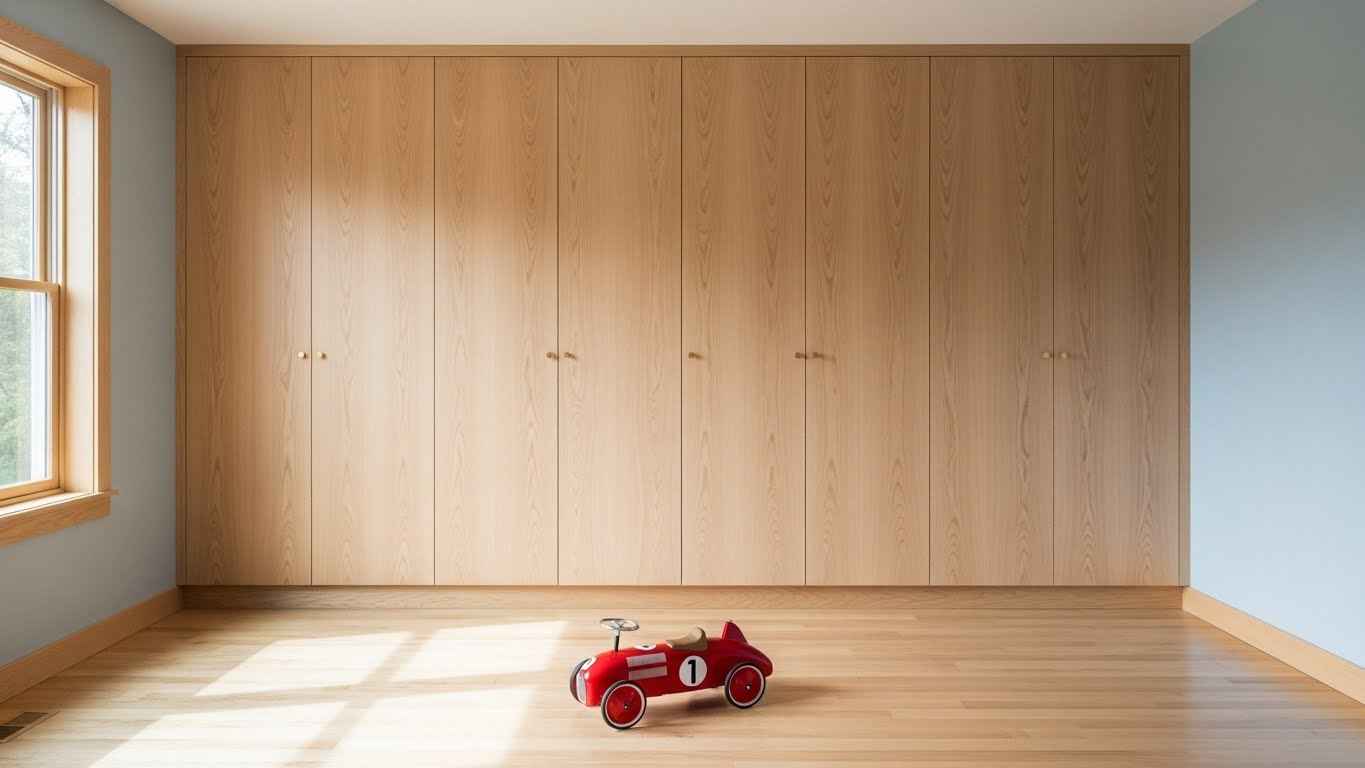
The best storage is out of sight. Use furniture with doors or drawers to tuck away toys and clothes. Beds with built-in drawers are great for this. Baskets with lids can also hide items while adding texture. The goal is a clear floor and clear surfaces. Look for a storage bench that doubles as seating. This is a practical way to keep the room looking tidy with minimal effort.
7. Monochromatic Theme Magic
Pick one color and use its different shades throughout the room. For example, use light blue, navy, and powder blue. This creates a unified and harmonious look. It feels intentional without being boring. You can add interest with different textures like a chunky knit blanket or a smooth wooden toy. A budget-friendly approach is to shop your home for items that already fit your chosen color family.
8. Natural Wood & Textile Tones
Natural materials bring warmth and calm. Use light wood furniture, jute rugs, and cotton or linen textiles. These elements feel gentle and grounding. They are also durable and often better for indoor air quality. Avoid plastic and glossy finishes when you can. A simple DIY is to sand and oil an old wooden stool to give it new life. Natural textures make a space feel more inviting.
9. Decluttered Wall Art Statements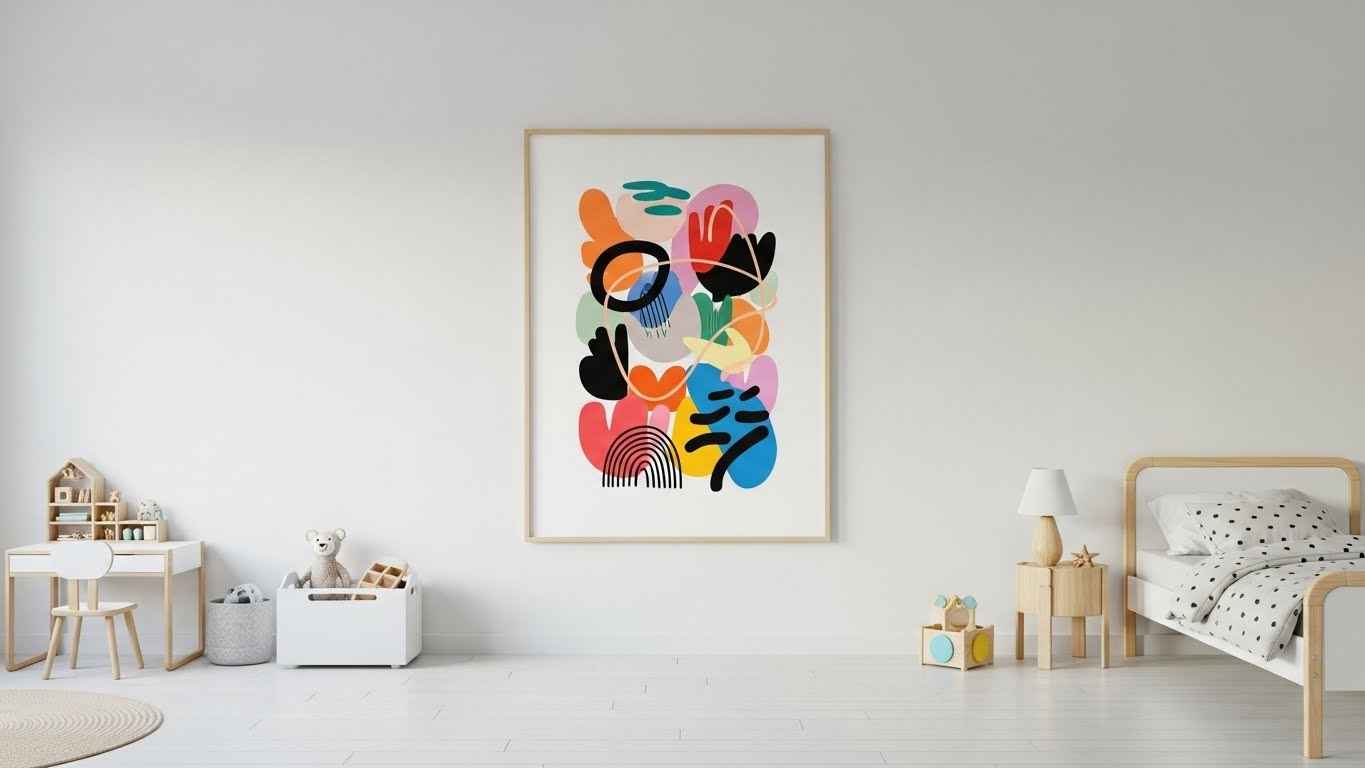
Choose one piece of art you love instead of many small ones. A single, large piece makes a bigger impact and feels more peaceful. It gives the eye a place to rest. Hang it at your child’s eye level so they can enjoy it too. Frame posters or your child’s own art for a personal touch. One bold piece is often more effective than a collection of smaller items.
10. Multi-Functional Furniture Pieces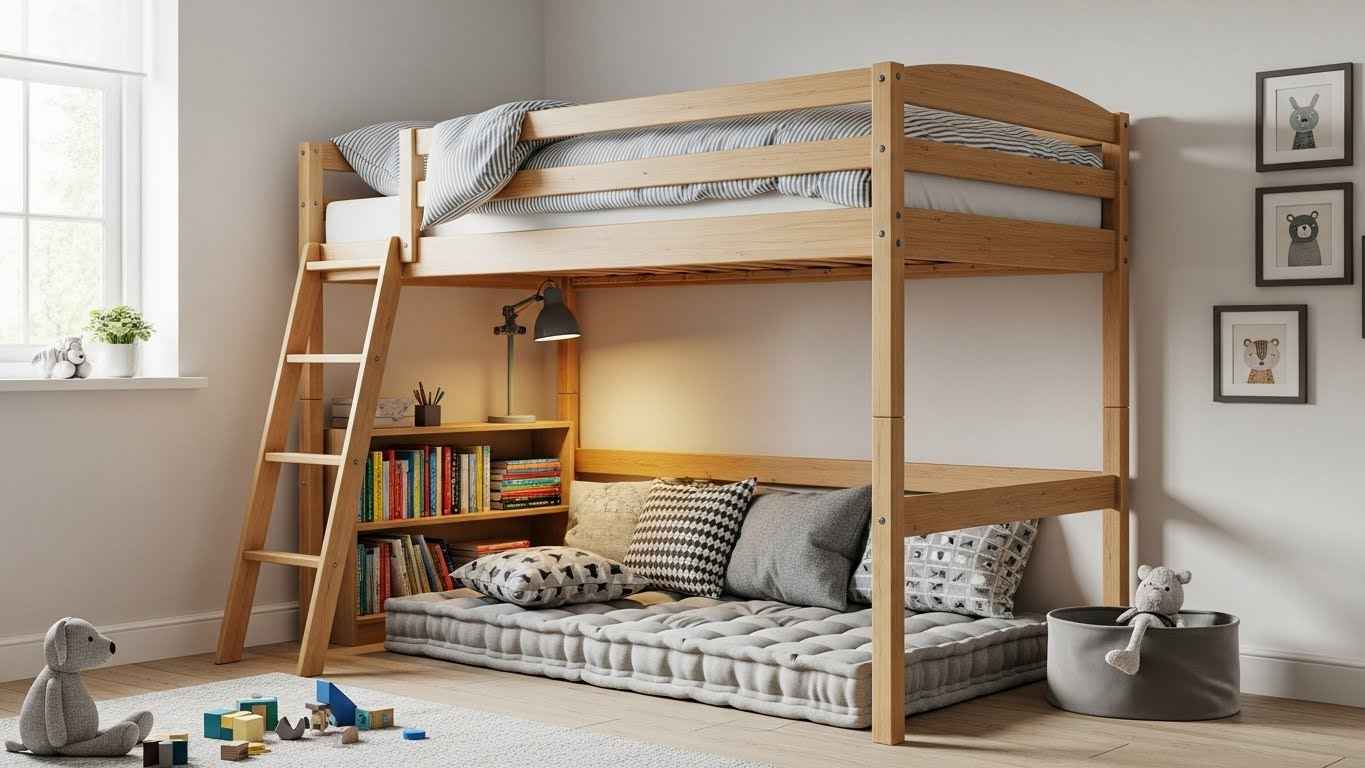
Furniture that does more than one job saves space. A bed with drawers underneath, a desk that folds against the wall, or a cube seat that opens for storage. This is key in a small room. It helps keep the floor plan open and functional. Look for a low table with storage bins that can be used for play and tidying up. This is a smart space-saver.
11. Calming Reading Corner Nooks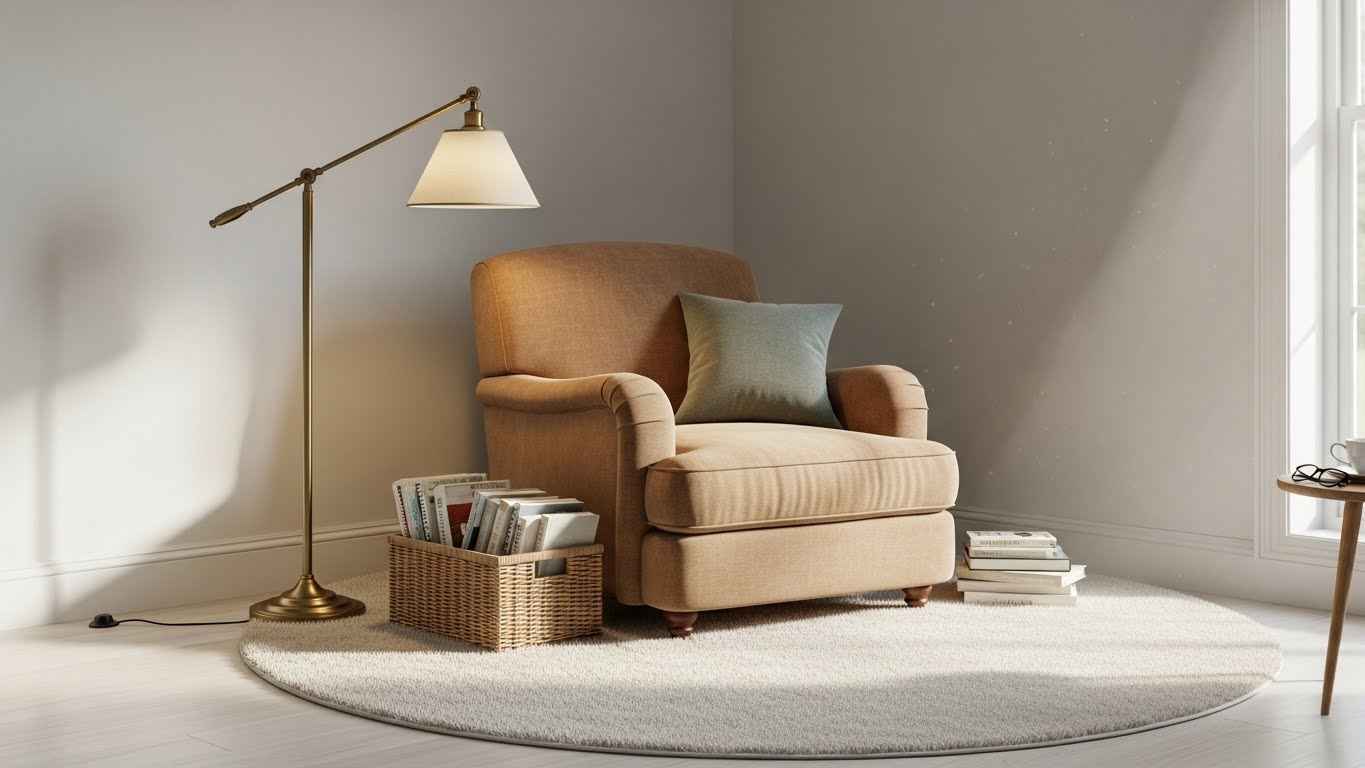
Create a special spot just for reading. A comfortable chair, good light, and a small basket of books are all you need. This dedicated space encourages quiet time. It tells your child that this is a place for calm activities. You can make a DIY floor cushion from old pillows and fabric for a cozy spot. A dedicated reading light helps define the space.
12. Simple Themed Accent Walls
An accent wall adds personality without clutter. Paint one wall a soft color or use removable wallpaper with a simple pattern. This adds focus without making the room feel busy. Keep the other walls neutral. This is a low-commitment way to add style. Use paint samples to test colors in different lights before you commit to the whole wall.
13. Under-Bed Storage Secrets
The space under a bed is valuable real estate. Use low, rolling bins or built-in drawers to store items you do not need every day. This keeps things accessible but out of sight. It is perfect for extra bedding, clothing, or toys in rotation. Label each bin so you know what is inside without pulling everything out. This is a high-impact storage solution.
14. Open & Airy Floor Plans
Leave the middle of the room empty. Push furniture to the edges to create a large open area for playing. This makes the room feel bigger and gives children space to move, build, and imagine. A clear floor is a safe floor. Arrange furniture along the perimeter to achieve this look. An open floor encourages active play and creativity.
15. Minimalist Wall Decals
Wall decals are a simple way to add design. Choose one large shape or a small, repeating pattern in a neutral color. They are easy to apply and remove, making them perfect for rentals or changing tastes. Avoid busy scenes with many small details. A DIY approach is to create your own shapes from removable wallpaper samples. Less is more with decals.
16. Uncluttered Workspace Zones
A simple workspace helps with concentration. A small desk, a good light, and just the supplies needed for the task at hand. Keep the surface clear of distractions. This teaches children to focus on one activity at a time. Use a magnetic board on the wall to display paper instead of tape. A clear surface is a productive surface.
17. Soft, Simple Lighting Fixtures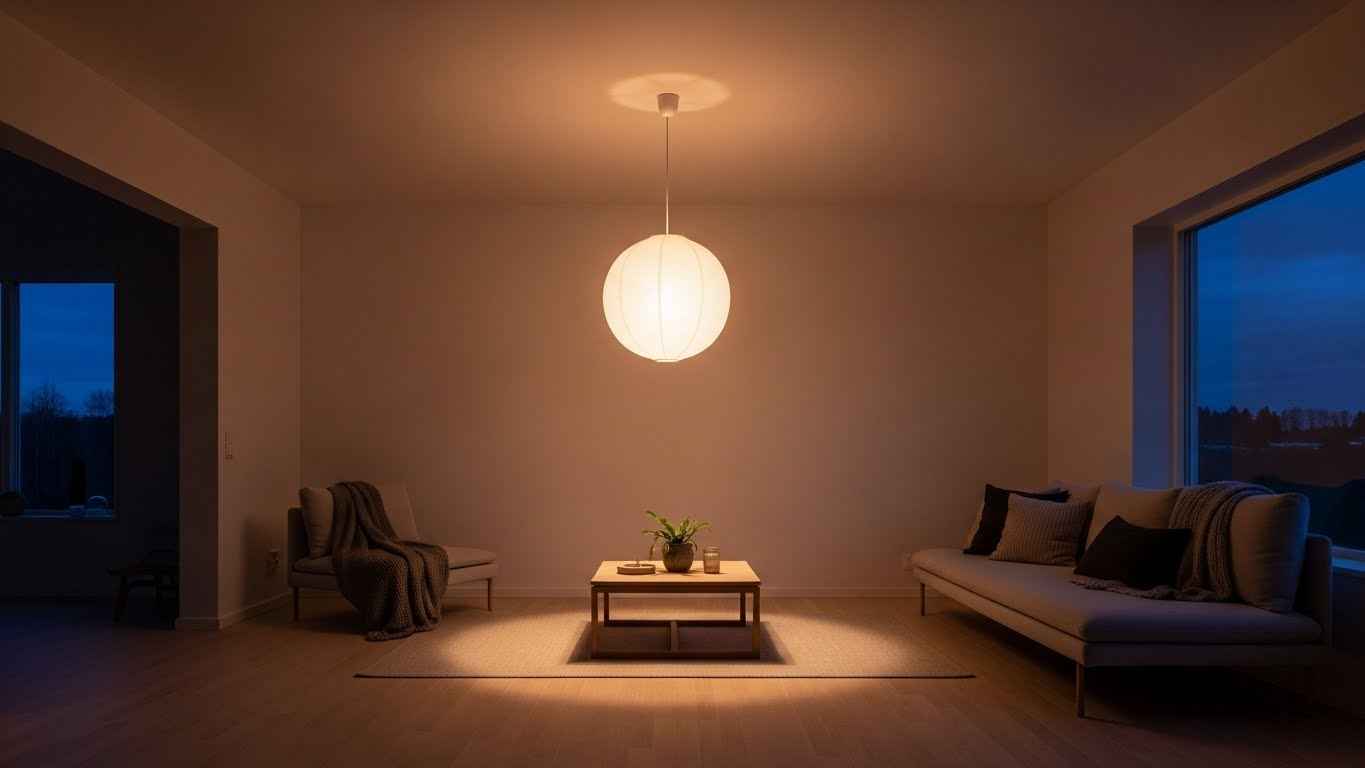
Harsh overhead lights can be unsettling. Use lamps with warm white bulbs or a simple pendant light with a paper or fabric shade. This creates a soft, cozy glow perfect for winding down. Dimmable lights are a great option for adjusting the mood. A budget-friendly tip is to swap out a bright bulb for a warmer, lower-wattage one. Soft lighting signals that it is time to relax.
18. Cozy Textile-Layered Floors
A soft rug defines a space and makes it comfortable for play. Layer a large, neutral jute or wool rug with a smaller, plush one on top. This adds texture and warmth without visual clutter. It is also practical for cushioning falls. Use a non-slip rug pad underneath for safety. Layering rugs is an easy way to add coziness.
19. A Place for Everything
An organized room is a calm room. Assign a specific home for every type of toy and belonging. Use baskets, bins, or dividers in drawers. Label them with words or pictures so your child can help with tidying up. This routine makes clean-up quick and teaches responsibility. Use picture labels for pre-readers. This simple system prevents clutter from building up.
20. Calm & Collected Closet Systems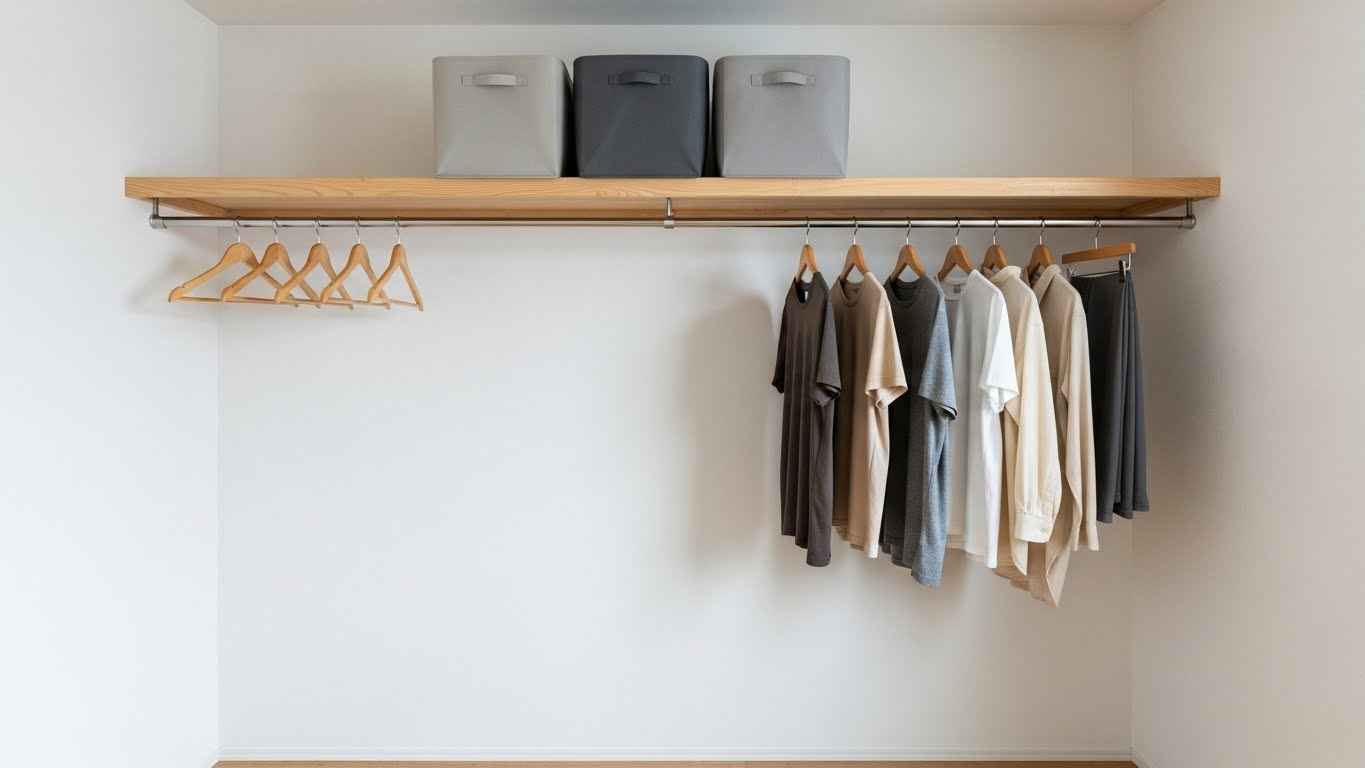
Keep the closet simple. A low hanging rod lets your child choose their own clothes. Use a few bins or baskets for socks, underwear, and pajamas. Do not overfill the space. Leave room to see everything easily. This makes getting dressed less stressful. A DIY project is to lower the closet rod so your child can reach it. An accessible closet promotes independence.
21. Whimsical Yet Simple Accents
Add one or two playful touches. A mobile, a unique-shaped pillow, or a funny stuffed animal. Let these items be the stars of the room by keeping the background very simple. This keeps the room feeling light and fun without being chaotic. Choose accents with a simple color palette. A thoughtful accent adds personality without clutter.
22. The Joy of Negative Space
Empty space is not wasted space. It allows a room to breathe. It makes the objects you do have feel more important. Do not feel pressure to fill every shelf or wall. This emptiness is calming for the mind. Resist the urge to fill every corner. Embrace the empty spots as part of your design.
Start with one idea that feels manageable. Maybe it is clearing off one shelf or swapping out a bright bedspread. Small changes can make a big difference in how a room feels. A calm space helps your child rest and play better. You can build your minimalist room one simple step at a time.