How to Make Your Room Aesthetic With Lights for Instant Mood

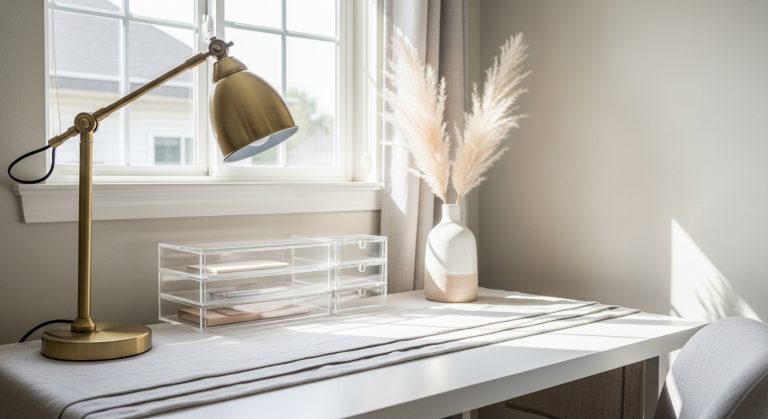
I used to live with a flat, boxy bedroom that felt cold at night. Then I focused on lighting as the main mood tool. I spent about $180 on LEDs and bulbs and another $120 on textiles. Now the room reads calm in the evening and lively during the day. People ask how I did it. It started with three light layers.
Quick context: This guide leans modern cozy with a touch of boho. Budget is realistic — $200–400 if you already have furniture. Works best in bedrooms and small living rooms. Trend note: layered lighting plus warm white tones is the fastest route to an aesthetic room.
What You'll Need for This Look
Foundation Pieces:
- 8×10 jute area rug in natural (~$120-180)
- Linen curtains in white, 96-inch length (~$35-50 per panel, need 2 panels)
Textiles & Layers:
- Chunky cable knit throw in oatmeal, 50×60 inches (~$40-60)
- Linen duvet cover in sage green, queen (~$70-110)
- Euro pillow inserts, 26×26 inches, set of 2 (~$35-50)
Lighting:
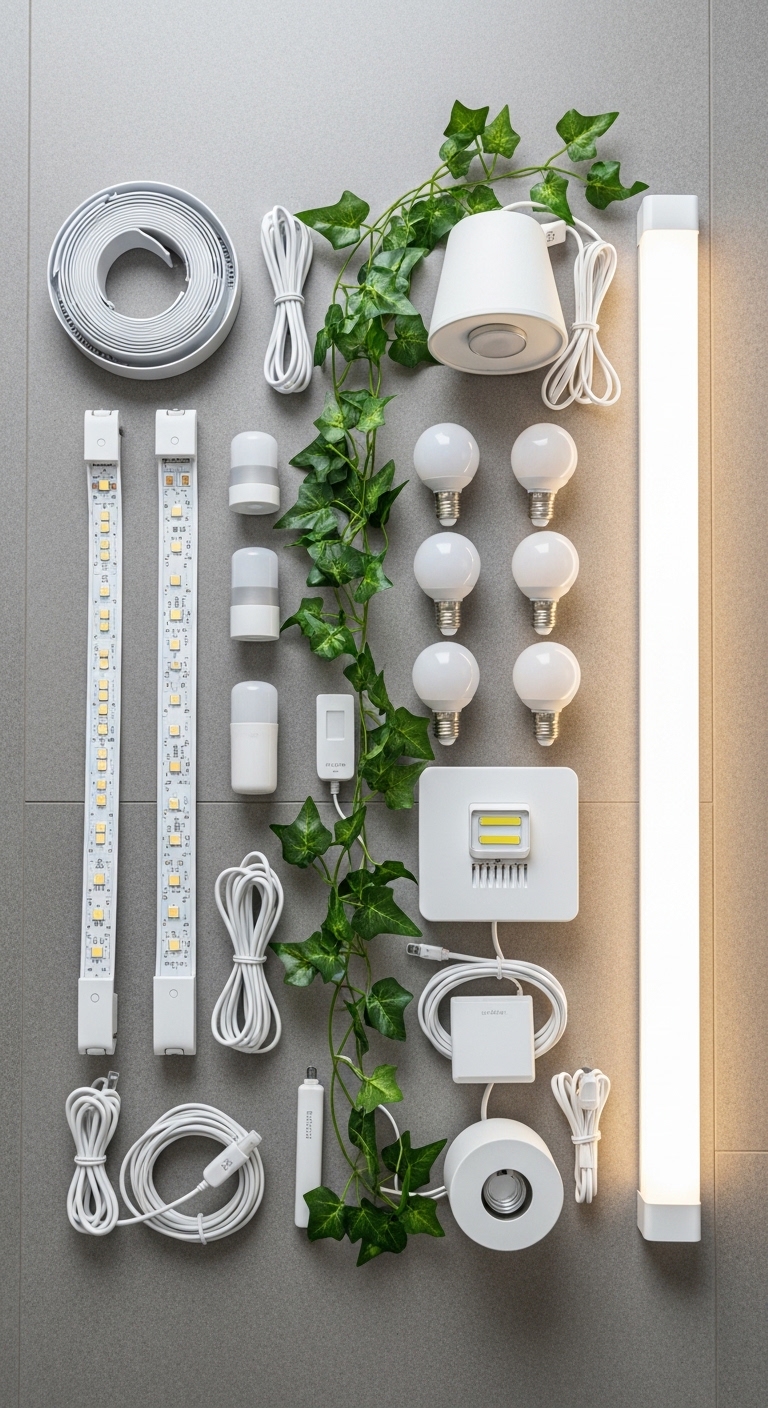
- RGBW LED strip lights, 16.4 ft, app-controlled (~$25-45)
- Under-bed LED toe-kick strip, warm white + RGB, 6.5 ft (~$15-35)
- Smart LED bulbs, A19 RGBW, voice control (set of 2) (~$30-60)
- Warm white table lamp with linen shade, 18-inch (~$45-70)
Finishing Touches:
- Faux olive tree in cement pot, 4.5 ft (~$70-110)
- Faux ivy string lights, 6.5 ft wrapped LEDs (~$25-45)
- Command hooks clear pack, 16 pieces (renter-friendly) (~$8-15)
Start with the foundation: rug and curtains
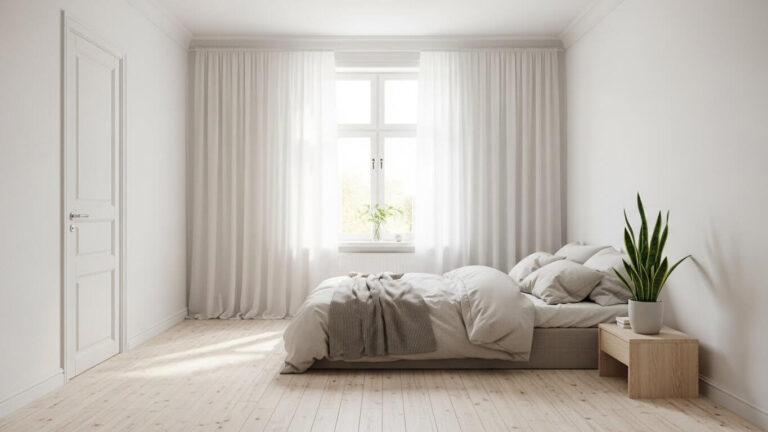
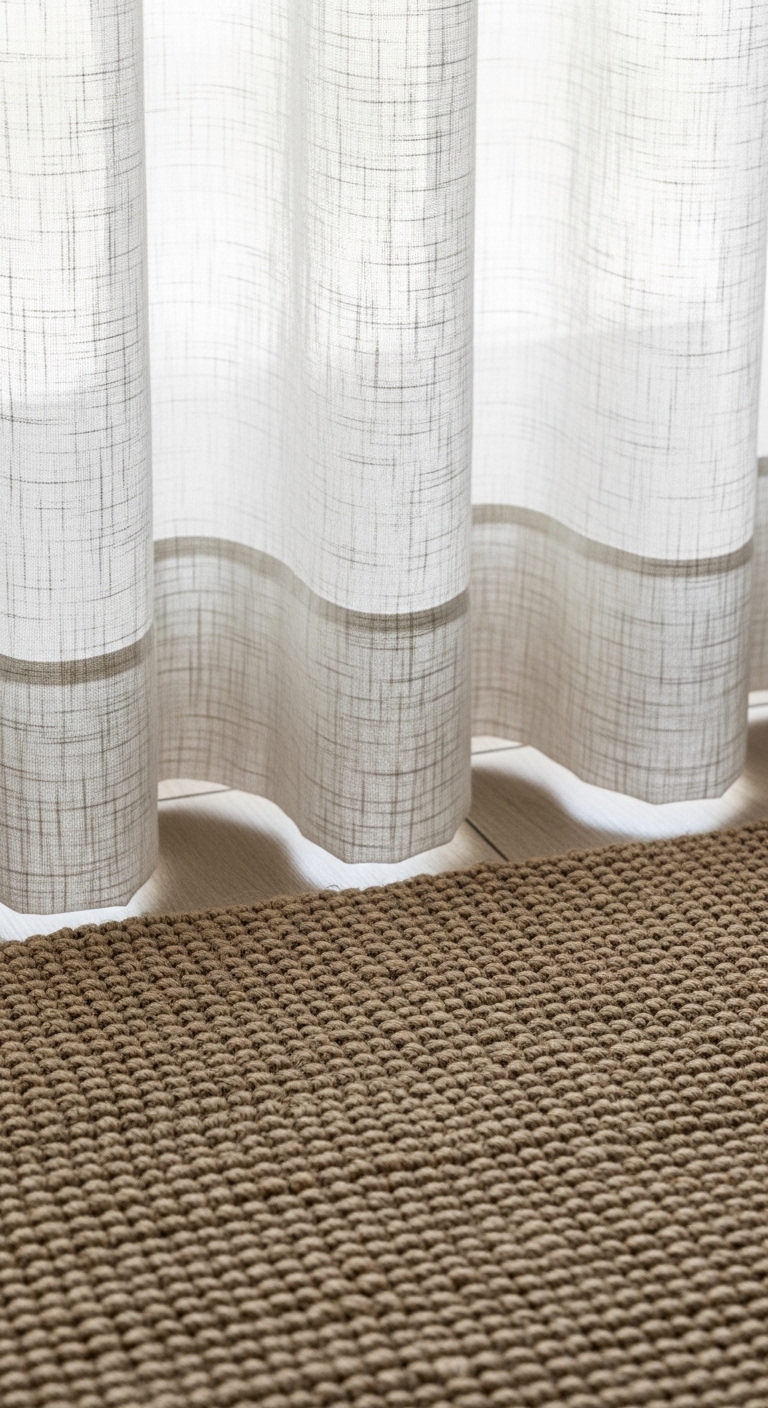
The rug and curtains set the room's scale. I used the 8×10 jute rug so the front legs of my bed and bedside tables sit on it. That anchors the layout and stops the space feeling piecemeal. For curtains I picked white 96-inch linen panels. I hung them 2–3 inches below the ceiling line to draw the eye up. The panels should just kiss the floor; a slight puddle reads intentional. The visual principle here is scale: taller window treatments equal taller perceived ceilings. Common mistake: buying a rug too small. If your seating/bed floats apart from the rug, the room fragments.
Layer in softness with oversized textiles
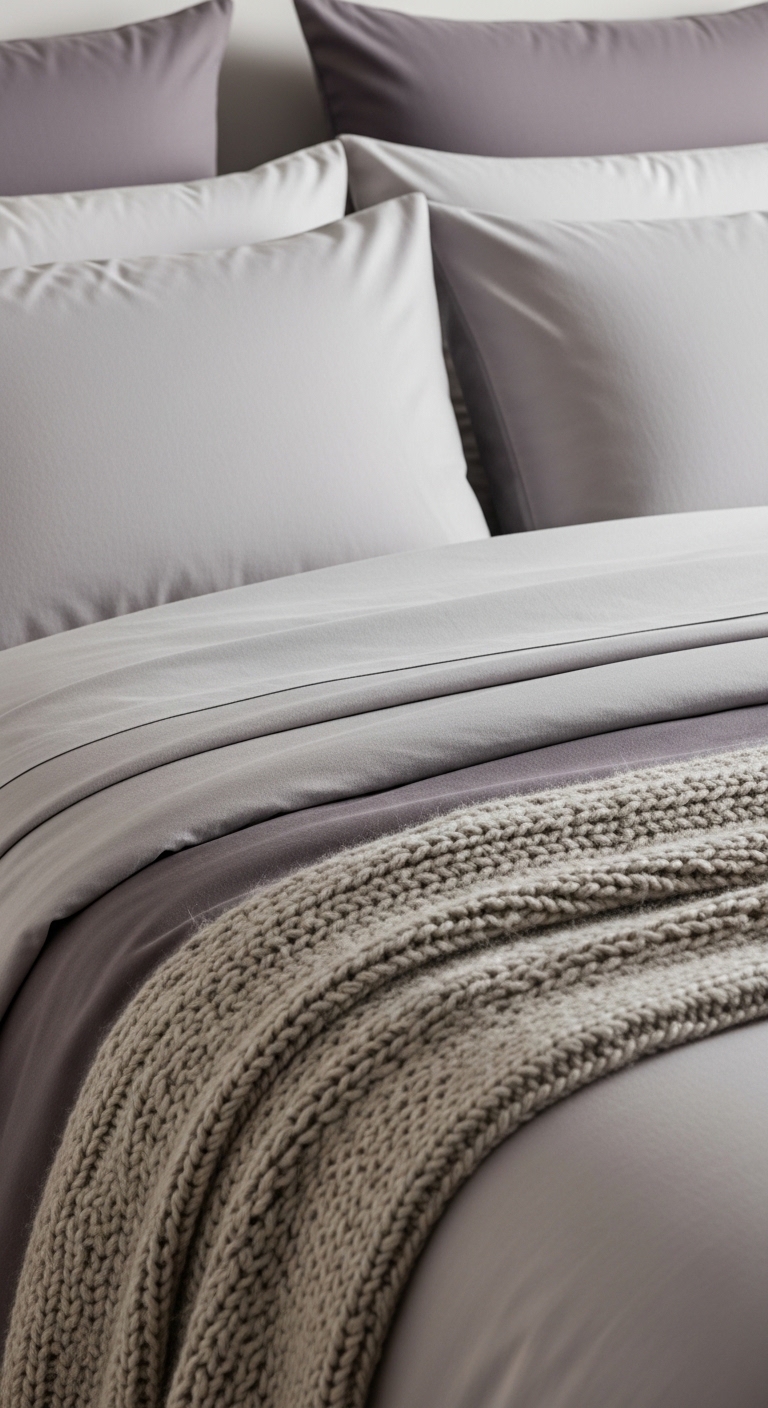
Next layer is textiles. I add large shapes first — a linen duvet cover in sage green, queen and two 26×26 euro inserts. Then smaller pillows and a chunky throw for texture. I fold the throw at the foot of the bed in a loose triangle — it reads relaxed, not staged. Texture contrast is the idea: matte linen, natural jute, and a soft knit play well together. One thing I tried that failed was using too many bold patterns. It made the bed noisy. I swapped patterned covers for solid, textured options and the whole room calmed. Placement rule: larger pillows occupy the back third of the bed; accents sit in front.
Create ambiance with warm, diffused lighting
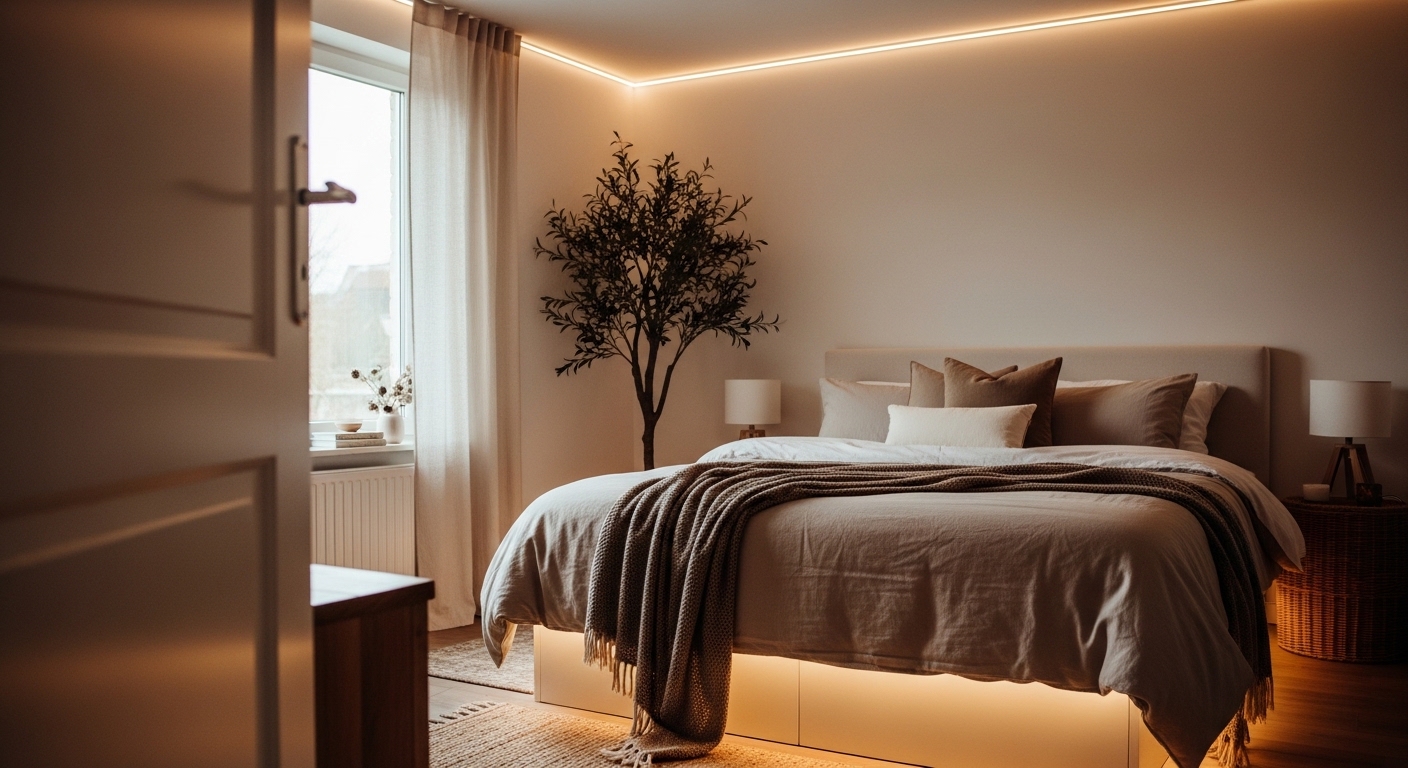
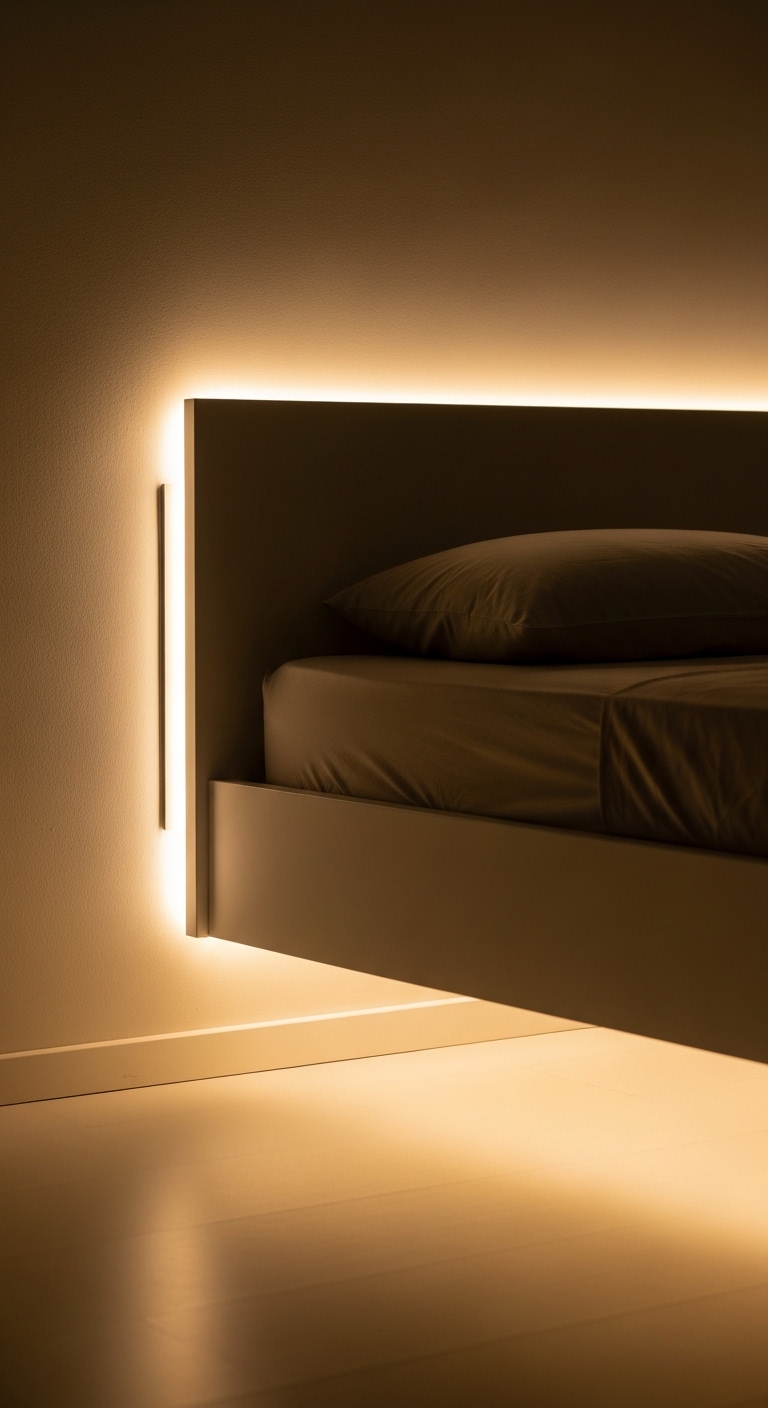
Lighting finishes the story. I install a ceiling border RGBW LED strip around the crown to create a floating effect. For bedtime I switch them to warm white (2700K) and dim to 10–20%. The under-bed toe-kick strip gives a subtle night glow for late trips to the kitchen. Desktop or reading tasks use smart A19 RGBW bulbs in a lamp set to warm white. I keep a linen-shade table lamp on a dimmer when I want soft pool lighting. Rule of thumb: three layers — ambient (ceiling/strips), task (lamp), accent (ivy lights or neon). What didn’t work for me was starting with bright cool bulbs; the room felt clinical. Switching to warm white and dimmable strips made evenings feel calm. For renters, use Command hooks and painter’s tape to test placement.
Common Styling Mistakes to Avoid
Mistake: All decor at the same height
Why it doesn't work: The eye needs variety.
Do this instead: Use odd-numbered groupings and mix heights. Try graduated candlesticks set.
Mistake: Using only cool, bright bulbs
Why it doesn't work: Space reads cold and harsh.
Do this instead: Choose warm white (2700K–3000K) and dimmable smart bulbs.
Mistake: Hanging curtains too low
Why it doesn't work: It shortens ceilings visually.
Do this instead: Mount rods near the ceiling. Adjustable curtain rods fit any width.
Shopping Guide: Where to Find These Items
- Budget textiles on Amazon: search linen-blend duvet covers to save vs. pure linen.
- Splurge on the rug: a quality hand-woven jute rug 8×10 lasts years.
- Faux greenery for low light: realistic artificial olive tree looks lived-in without maintenance.
- Lighting essentials: get a combo of RGBW LED strip lights and under-bed toe-kick strips for layered effects.
I started by changing one thing: the rug. Then I added layered light. Try one change this weekend — start with a warm bulb and see how the room responds. Which light will you add first?